Russia Sees Strategic Gains in Ongoing Iran-Israel Nuclear Conflict in the Middle East
Amid escalating nuclear tensions between Iran and Israel in the Middle East, Russia’s leading newspapers prominently featured in-depth analyses of the conflict on their front pages Monday morning. These reports indicate that the crisis could bring certain strategic advantages for Moscow in the realm of international politics.
Russia Sees Strategic Gains in Ongoing Iran-Israel Nuclear Conflict in the Middle East
Russia Sees Strategic Gains in Ongoing Iran-Israel Nuclear Conflict in the Middle East
Moscow, June 16, 2025 —
Amid escalating nuclear tensions between Iran and Israel in the Middle East, Russia’s leading newspapers prominently featured in-depth analyses of the conflict on their front pages Monday morning. These reports indicate that the crisis could bring certain strategic advantages for Moscow in the realm of international politics.
The popular Russian tabloid Moskovsky Komsomolets ran the headline:
“As harsh as it may sound, there are some ‘plus points’ for Russia in the Iran-Israel conflict from a strategic perspective.”
The paper elaborated on these “plus points,” highlighting two main benefits:
-
A rise in global oil prices, which would be financially beneficial for Russia’s energy-dependent economy.
-
Diminished international focus on the war in Ukraine, offering Moscow some relief from Western pressure.
The article bluntly stated:
“Everyone seems to have forgotten Kyiv.”
On the other hand, Russia’s influential business daily Kommersant offered a more analytical perspective, writing:
“Any escalation in the Middle East shifts attention away from Ukraine and could potentially alter Western priorities in providing military assistance.”
The article also discussed Russia’s potential diplomatic role, suggesting:
“Theoretically, Russia could act as a neutral mediator. Even if it cannot fully resolve the crisis, it may at least help de-escalate tensions — thereby increasing Moscow’s influence in the region.”
However, Kommersant also presented a sober reality, warning:
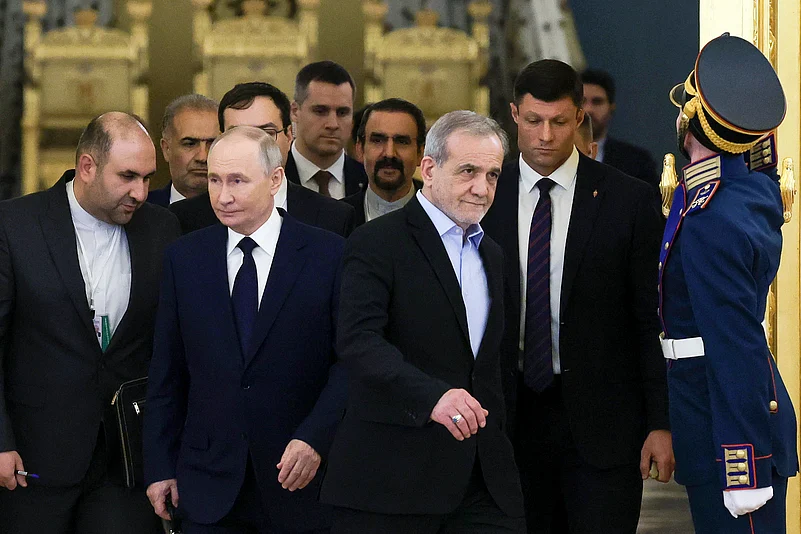
“As tensions escalate, the risks and costs for Moscow could also rise. Especially considering the fact that five months ago, Russia signed a comprehensive strategic partnership agreement with Iran — yet now it appears unable to take any effective action to stop Israel’s heavy attacks on its ally.”
These analyses make clear that Russia is seeking to extract strategic benefits from the Middle East conflict while simultaneously acknowledging its limitations — particularly its inability to defend an ally like Iran in the face of Israeli aggression.