
Trump Issues Entry Ban on Citizens from 19 Countries Including Iran and Afghanistan – Washington, June 5, 2025
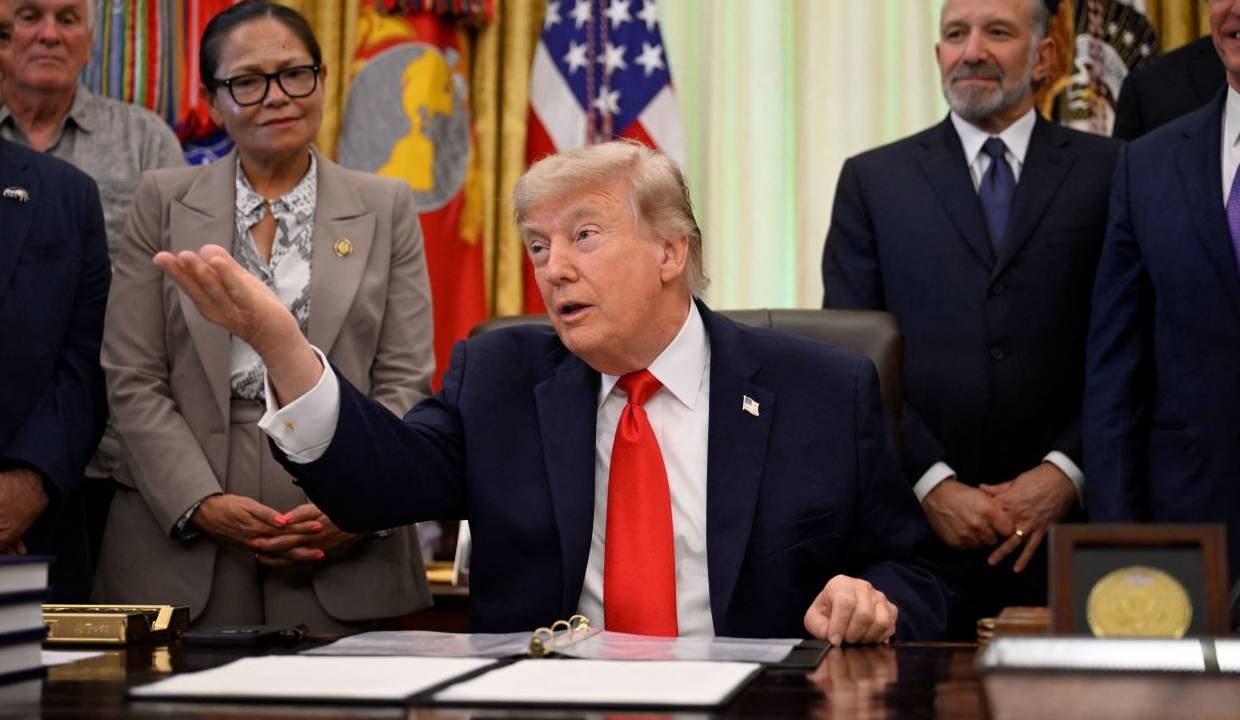
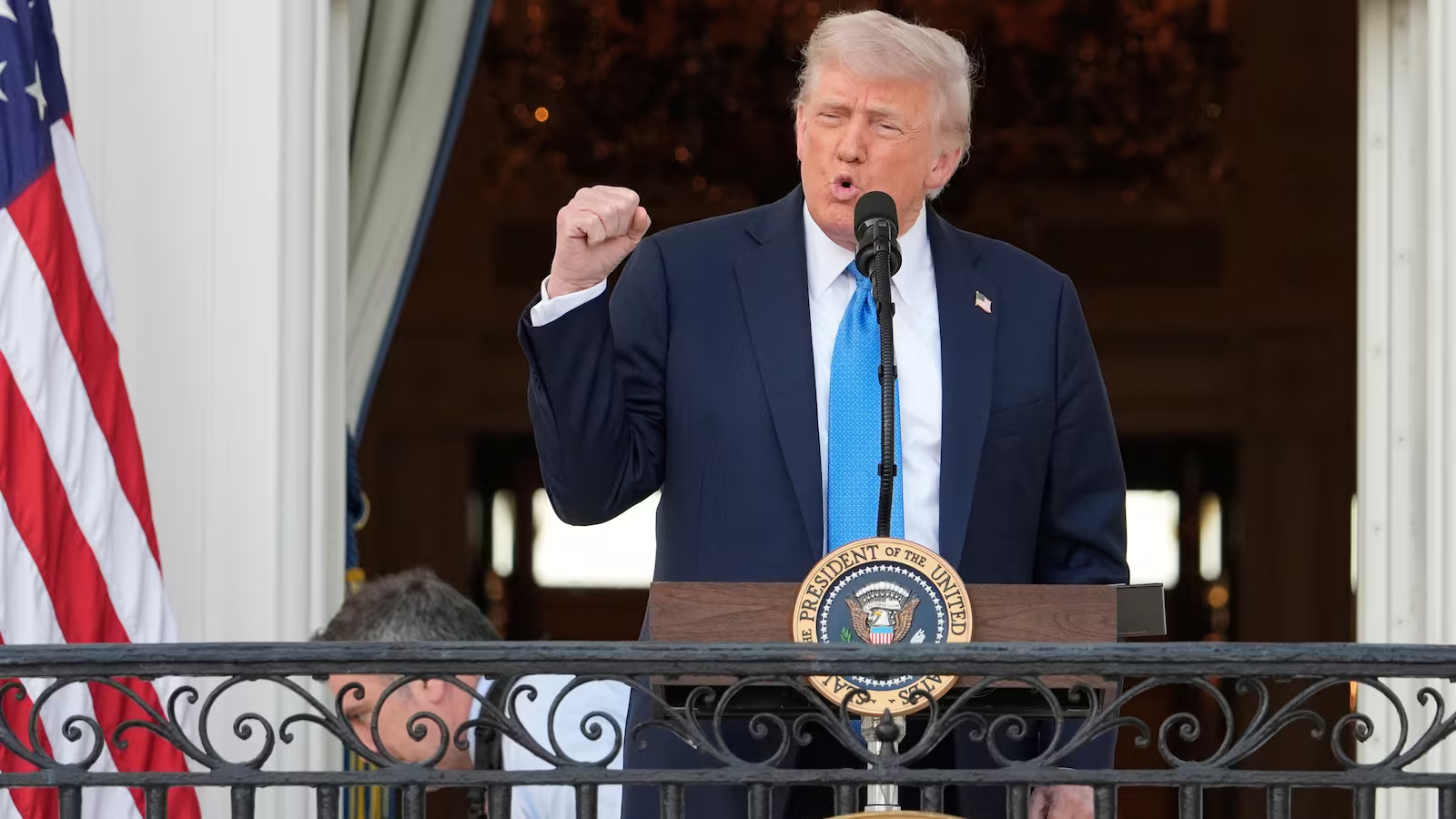
On Wednesday, U.S. President Donald Trump signed a proclamation that imposes a complete entry ban on citizens from 12 countries and partial restrictions on nationals from an additional 7 countries. According to President Trump, this move has been taken due to national security concerns.
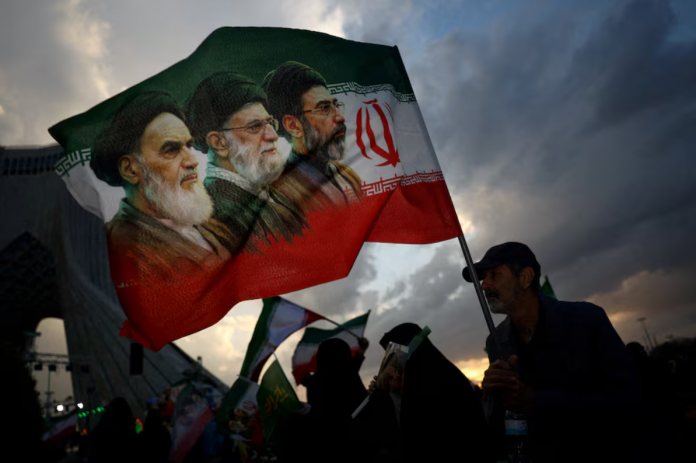
According to the proclamation, foreign nationals from Afghanistan, Myanmar, Chad, the Republic of Congo, Equatorial Guinea, Eritrea, Haiti, Iran, Libya, Somalia, Sudan, and Yemen are now completely banned from entering the United States. Although there are some exceptions, the ban applies both to immigrants and temporary visa holders, including tourists.
In addition, Burundi, Cuba, Laos, Sierra Leone, Togo, Turkmenistan, and Venezuela face partial restrictions, with the entry of immigrants and certain temporary visa holders from these countries being limited under the new order.
The ban will go into effect on Monday, June 9 at 12:01 a.m.
President Trump stated that these sweeping restrictions are necessary due to issues such as terrorism risks, insufficient identity verification processes, and the refusal of these countries to repatriate illegal immigrants from the U.S.
White House spokesperson Abigail Jackson told CBS News:
“President Trump is committed to protecting the American people. These targeted and reasonable restrictions apply to specific countries that fail to implement adequate screening procedures, have high rates of visa overstays, or do not share identity and security-related information. President Trump will always prioritize the safety and interests of the American people.”
The order includes a number of exemptions, such as:
-
U.S. permanent residents
-
Afghan nationals who assisted U.S. forces (Special Immigrant Visa holders)
-
Diplomats
-
Athletes
-
Dual citizens with passports from non-restricted countries
The announcement follows a recent attack in Boulder, Colorado, on Sunday, where an assailant attacked participants in a march organized to raise awareness about Israeli hostages.
In a video message released from the White House on Wednesday night, Trump said that the list of countries could change in the future if they improve their security and documentation procedures. New countries could also be added if necessary.
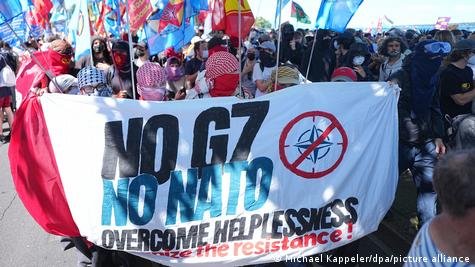
This latest initiative echoes Trump’s 2017 travel ban on several Muslim-majority countries during his first term — a move that triggered widespread protests, airport chaos, and legal challenges.
The third version of that travel ban was ultimately upheld by the U.S. Supreme Court in 2018, with conservative justices ruling in favor of the President’s authority to limit entry to protect national security.
That ban was revoked by the Biden administration in 2021 after taking office.