Jamaat-e-Islami, the party that opposed 1971 Liberation War and anti-independence of Bangladesh has allowing the Legal Political Status to participate in elections
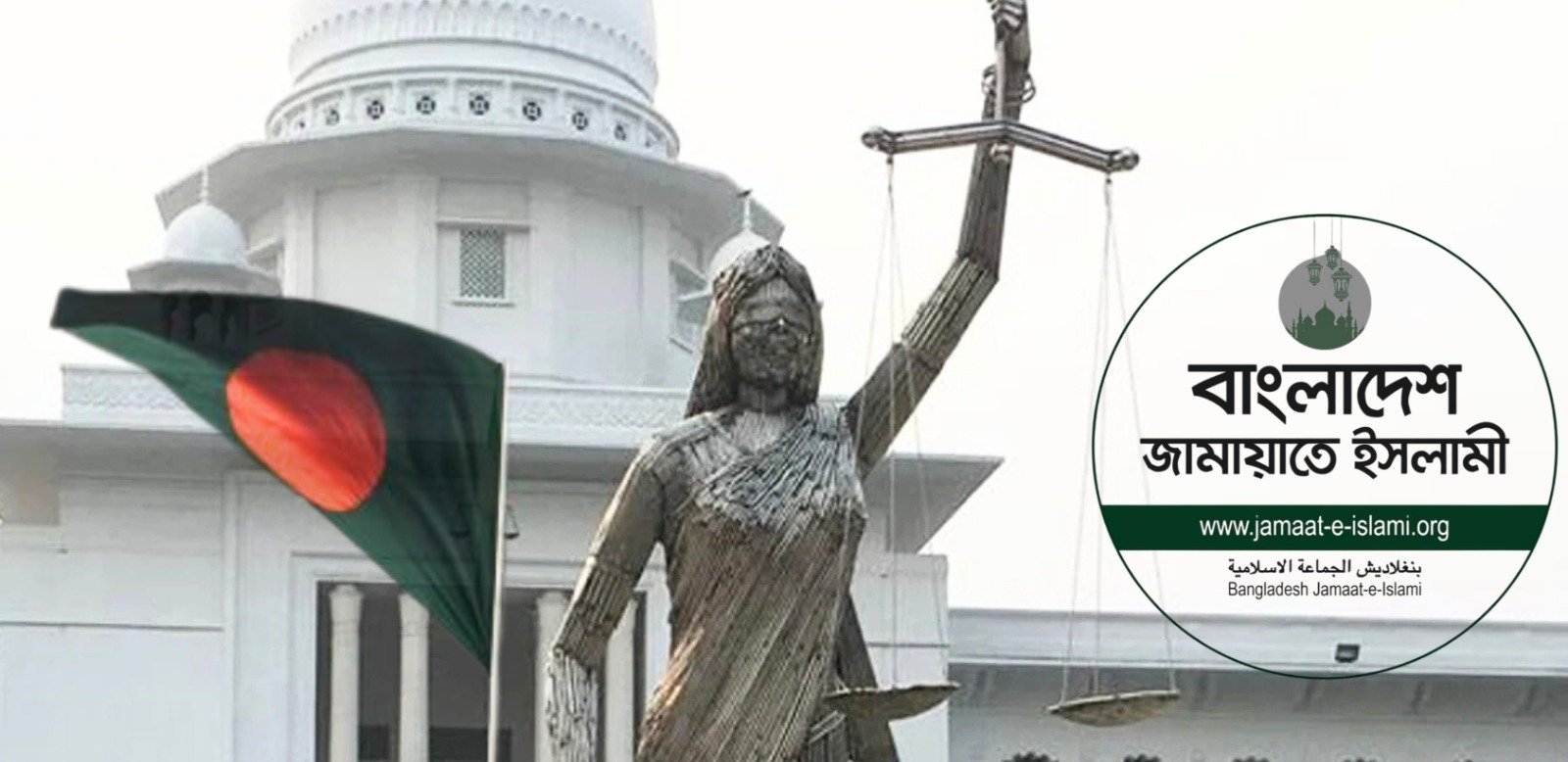
The Appellate Division of the Supreme Court of Bangladesh has reinstated the political registration of Jamaat-e-Islami, allowing the party to legally participate in elections once again. In a ruling delivered on Sunday, the court ordered the Election Commission to restore Jamaat’s registration without delay. The verdict was issued by a four-member appellate bench led by Chief Justice Dr. Syed Refaat Ahmed.

Jamaat-e-Islami, the party that opposed 1971 Liberation War and anti-independence of Bangladesh has allowing the Legal Political Status to participate in elections
Jamaat-e-Islami, the party that opposed 1971 Liberation War and anti-independence of Bangladesh has allowing the Legal Political Status to participate in elections Dhaka, Bangladesh – June 1, 2025
The Appellate Division of the Supreme Court of Bangladesh has reinstated the political registration of Jamaat-e-Islami, allowing the party to legally participate in elections once again. In a ruling delivered on Sunday, the court ordered the Election Commission to restore Jamaat’s registration without delay. The verdict was issued by a four-member appellate bench led by Chief Justice Dr. Syed Refaat Ahmed.
This judgment overturns a 2013 High Court ruling that had declared Jamaat’s registration illegal. On August 1, 2013, the High Court had voided Jamaat’s registration following a writ petition, and on December 7, 2018, the Election Commission officially revoked the party’s registration through a public notification. Jamaat had appealed the High Court ruling.
However, in November 2023, due to the absence of Jamaat’s chief legal counsel during the hearing, a six-member appellate bench led by Chief Justice Obaidul Hassan dismissed the party’s appeal on default grounds, leaving its registration void.
Following the fall of the Awami League government, the political landscape in Bangladesh shifted. Jamaat filed a petition to revive their appeal, which the court accepted. Advocate Mohammad Shishir Monir represented the party during the hearing.
As a result of this ruling, Jamaat-e-Islami regains its legal status and is now eligible to participate in the upcoming national elections, once again becoming a significant political force alongside the Bangladesh Nationalist Party (BNP).
Historically, Jamaat-e-Islami and many of its leaders opposed Bangladesh’s independence during the 1971 Liberation War, aligning themselves with undivided Pakistan. The party was associated with the formation of the Peace Committees, and under its leadership, paramilitary groups like Razakar, Al-Badr, and Al-Shams emerged. These groups have been widely condemned for collaborating with the Pakistani military in committing mass atrocities, including the December 14 intellectual massacre.
In 1972, Jamaat leader Ghulam Azam formed the “East Pakistan Recovery Committee” while in exile in London. For his role in opposing Bangladesh’s independence and aiding genocide, Ghulam Azam was one of 38 individuals whose citizenship was revoked by the government in 1973.
However, following the assassination of Sheikh Mujibur Rahman in 1975, and the subsequent shift in political power, Jamaat leaders living abroad gradually returned to the country—a comeback now reinforced by the Supreme Court’s latest ruling.