President Donald Trump's Middle East Tour – Visiting Saudi Arabia, Qatar, and UAE, but Not Israel Amid Gaza Crisis
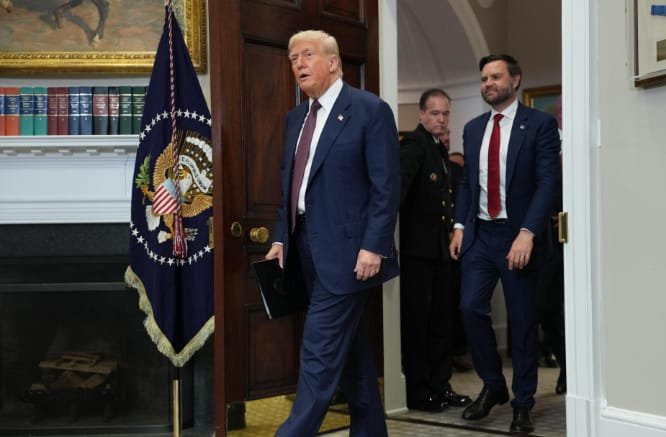
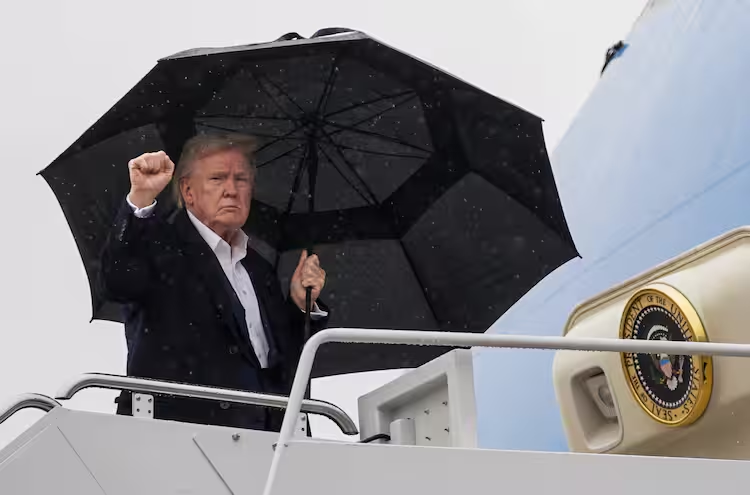
This week, U.S. President Donald Trump is set to visit Saudi Arabia, Qatar, and the United Arab Emirates as part of his Middle East tour. While these countries are the official focus of the trip, Trump’s most critical regional challenges center around two countries: Israel and Iran.

President Donald Trump's Middle East Tour – Visiting Saudi Arabia, Qatar, and UAE, but Not Israel Amid Gaza Crisis
President Donald Trump's Middle East Tour – Visiting Saudi Arabia, Qatar, and UAE, but Not Israel Amid Gaza Crisis
This week, U.S. President Donald Trump is set to visit Saudi Arabia, Qatar, and the United Arab Emirates as part of his Middle East tour. While these countries are the official focus of the trip, Trump’s most critical regional challenges center around two countries: Israel and Iran.
Gaza Crisis
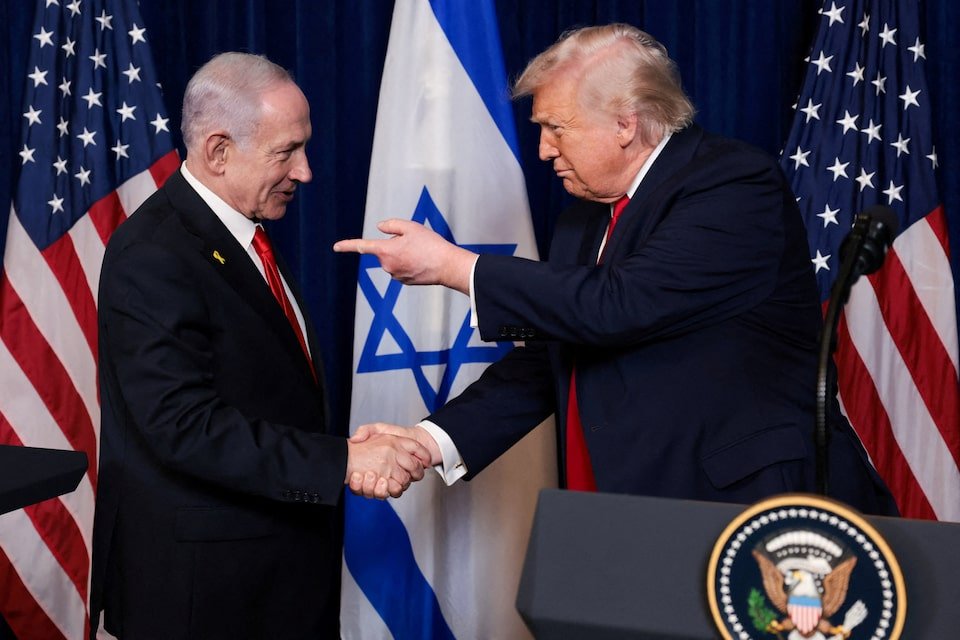
Two months after the ceasefire collapsed, Israel has escalated its aggression in the Gaza Strip. Due to blockades on food, medicine, and other supplies, the humanitarian situation has worsened significantly. Trump’s decision to skip Israel during this visit has caused disappointment in Tel Aviv. Israel was also surprised by the recent U.S. announcement to halt strikes on the Houthis, as the agreement didn’t address Houthi attacks on Israel.
Iran—Israel’s enemy and Saudi Arabia’s rival—is on the verge of developing nuclear weapons. Although the Trump administration has initiated talks, no significant progress has been made so far.
Jon B. Alterman, Executive Vice President of the Center for Strategic and International Studies in Washington, stated:
"This is his comfort zone. The hosts will be generous and hospitable, eager to strike deals, and will view him and his family as future partners."
Gulf states are eager to de-escalate tensions related to Gaza and Iran, so Trump cannot avoid these issues during his trip.
Israel has stated it will not expand military operations in Gaza until Trump’s tour concludes. This has opened the door for a possible new ceasefire, though it remains unclear how actively the Trump administration is mediating.
🎙️ Hamas has announced it will release Edan Alexander, the last known American hostage in Gaza. This could pave the way for a ceasefire and allow humanitarian aid to reach civilians.
Despite four rounds of mediation in Oman, there has been little progress. The United States has demanded Iran fully halt uranium enrichment—something Iran considers a “red line.”
Ahead of Trump’s trip, Iranian Foreign Minister Abbas Araghchi visited Saudi Arabia and Qatar, suggesting Iran is sending a diplomatic signal to Washington.
Since Trump pulled the U.S. out of the nuclear deal in 2018, Iran’s economy has been in freefall. Domestic protests have also intensified, especially over the hijab issue.
If Trump refers to the Gulf as the "Arabian Gulf" instead of the "Persian Gulf," it could spark strong backlash in Iran. Iranian cleric Ayatollah Khatami warned:
"This gulf has always been the Persian Gulf and always will be."
Trump’s 2017 visit to the region preceded the Qatar crisis, when Saudi Arabia, the UAE, Bahrain, and Egypt imposed a blockade on Qatar. At the time, Trump accused Qatar of financing terrorism, though he later softened his stance. The blockade was lifted just before President Biden took office.
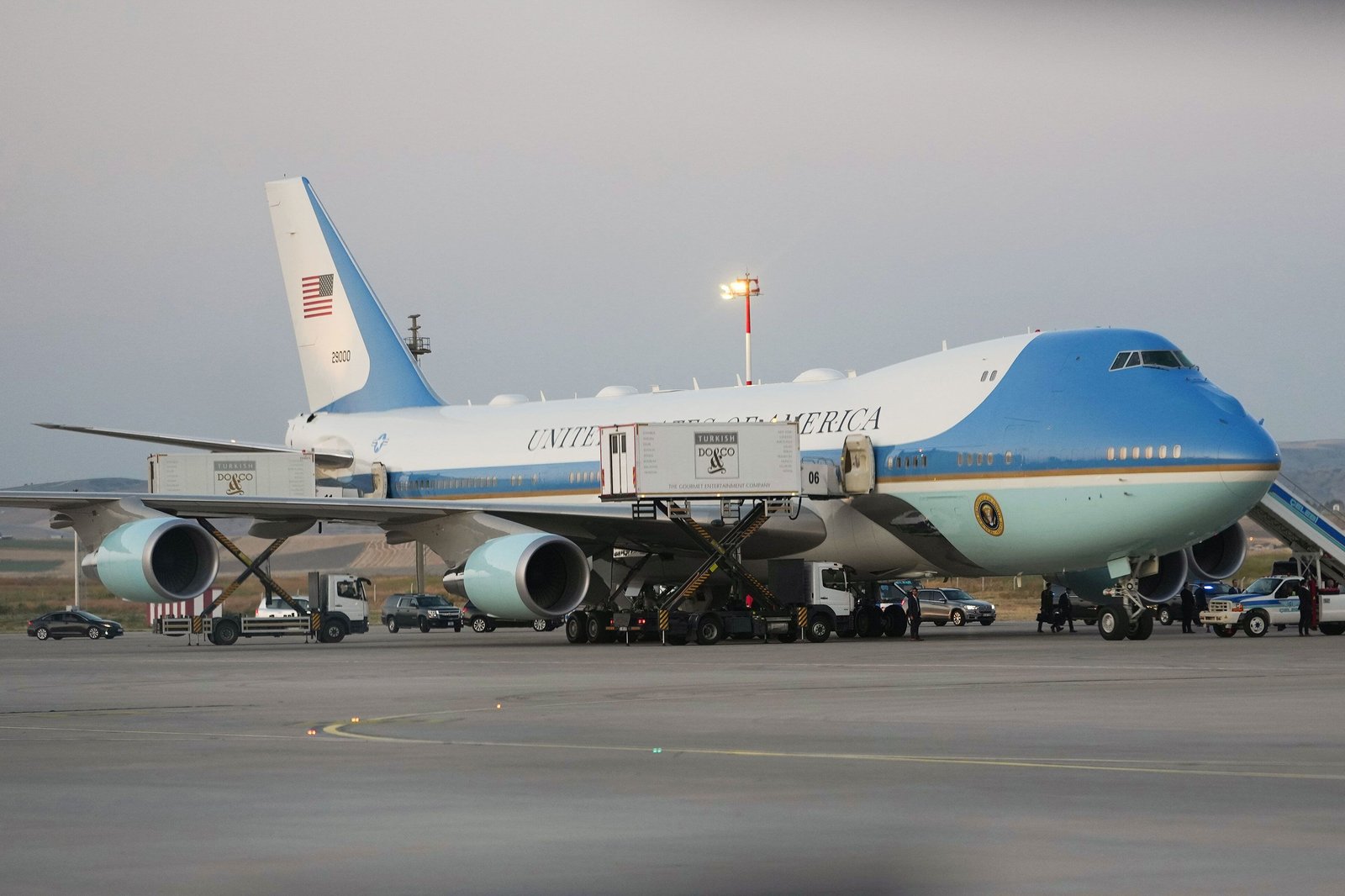
Trump has claimed that Qatar’s ruling family wants to gift him a luxurious Boeing 747-8 aircraft, which could potentially be used as a future presidential plane—a highly unusual and valuable present.
With oil prices near $60 per barrel—the lowest since 2021—Trump has little leverage to pressure Gulf nations on oil prices during this trip.
Dana Stroul and Simon Henderson of the Washington Institute noted:
"To avoid a repeat of the 2017 crisis, Trump should prioritize Gulf unity."