Iran-U.S. Nuclear Talks Resume — Why Is Netanyahu Cornered and Silent?
According to an AP report, a decade ago when the United States and Iran sat down for nuclear talks, Israeli Prime Minister Benjamin Netanyahu emerged on the world stage as one of the most vocal opponents of the deal — including delivering a fiery speech in the U.S. Congress that was seen as a direct challenge to the Obama administration.

Iran-U.S. Nuclear Talks Resume — Why Is Netanyahu Cornered and Silent?
Iran-U.S. Nuclear Talks Resume — Why Is Netanyahu Cornered and Silent?
According to an AP report, a decade ago when the United States and Iran sat down for nuclear talks, Israeli Prime Minister Benjamin Netanyahu emerged on the world stage as one of the most vocal opponents of the deal — including delivering a fiery speech in the U.S. Congress that was seen as a direct challenge to the Obama administration.
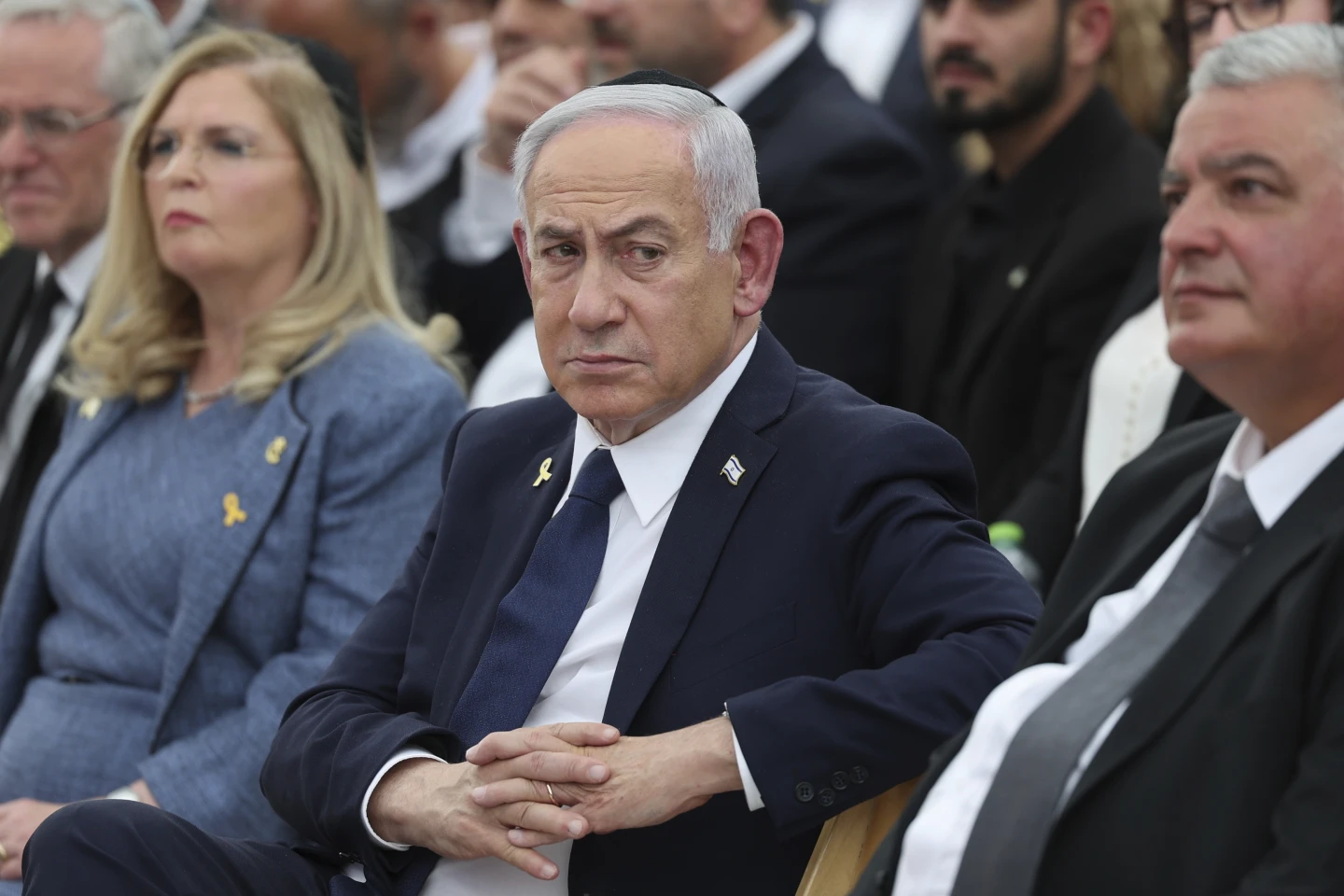
But now, as the two sides are again negotiating a new agreement, Netanyahu remains silent.
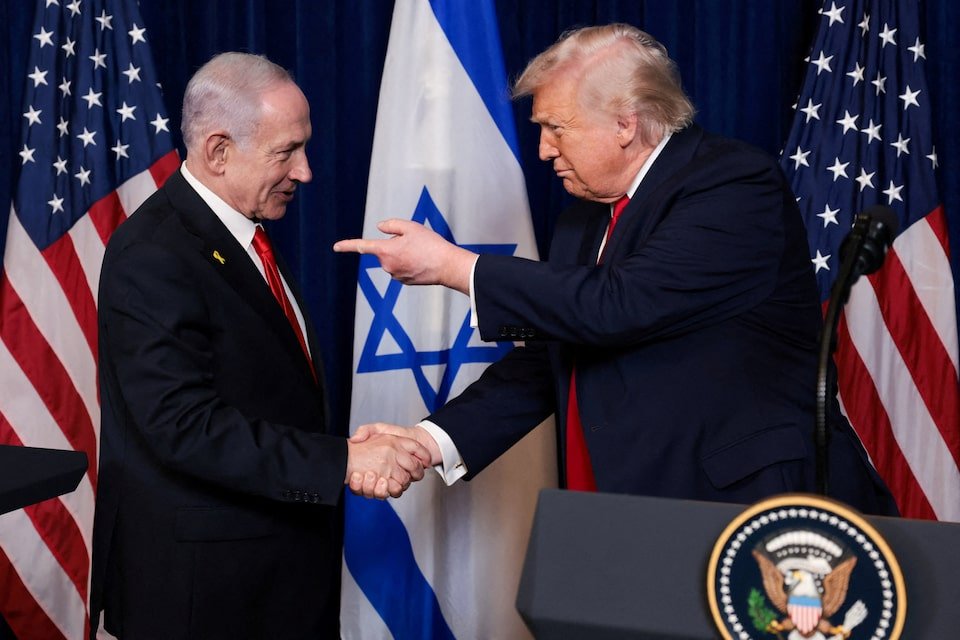
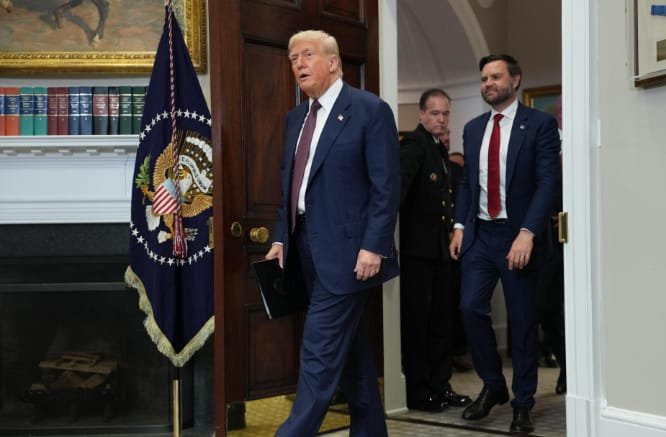
Netanyahu views a nuclear-armed Iran as an existential threat to Israel. He remains wary of any U.S. deal that does not meet his standards. But he now finds himself in a position where Donald Trump is in the White House, effectively tying his hands.
He sees Trump as Israel’s strongest ally — someone who does not take criticism well. As a result, Netanyahu is reluctant to publicly challenge him.
“He cannot do anything that goes against Trump. He’s essentially paralyzed,” said Yoel Guzansky, an Iran expert at the Institute for National Security Studies in Tel Aviv.
Following a series of strategic victories against Iran’s proxies in the Middle East over the past 18 months, Israel now holds a stronger position against Iran. Israel has defeated Iranian allies in Lebanon, Gaza, and Syria, and last year it directly struck targets within Iran, disabling key air defense systems. According to experts, this gives Israel a window of opportunity for effective strikes on Iran’s nuclear facilities.
Yet Netanyahu has recently failed to persuade Trump to take action against Iran’s nuclear sites. Such attacks would likely require U.S. military support.
Now that the U.S. is engaged in dialogue with Iran, the legitimacy of a unilateral Israeli military operation has significantly diminished. Netanyahu and his nationalist supporters had hoped that Trump’s return would benefit Israel, based on his past pro-Israel stance. They assumed the Trump administration would support an attack on Iran’s nuclear infrastructure.
However, complications in Trump’s Iran policy — and other issues like tariffs — have shown that his interests do not always align with Netanyahu’s.
For years, Netanyahu has portrayed Iran’s nuclear program as an effort to weaponize and campaigned globally against Obama’s deal, calling it weak and a threat to both Israeli and global security.
But now, as the U.S. returns to the negotiation table with Iran, Netanyahu risks damaging his relationship with Trump if he speaks out — since this negotiation is a key part of Trump’s foreign policy.
When Netanyahu congratulated Biden in 2020, Trump was reportedly furious, and their relationship has remained cold ever since. Even Republican leaders are now reluctant to openly challenge Trump on this issue.
Still, Netanyahu’s greatest hope is that the talks collapse.
“That would be the best outcome for him.”