India Proposes 55% Tariff Reduction on $23 Billion Worth of Imports from the U.S. Under Trade Deal
New Delhi, March 26 – India is prepared to reduce tariffs on U.S. imports by 55%, which could mark the first phase of a trade agreement between the two countries. This could be one of the most significant tariff cuts in recent years and is being undertaken to prevent reciprocal tariffs.

India Proposes 55% Tariff Reduction on $23 Billion Worth of Imports from the U.S. Under Trade Deal
India Proposes 55% Tariff Reduction on $23 Billion Worth of Imports from the U.S. Under Trade Deal
New Delhi, March 25 – India is prepared to reduce tariffs on U.S. imports by 55%, which could mark the first phase of a trade agreement between the two countries. This could be one of the most significant tariff cuts in recent years and is being undertaken to prevent reciprocal tariffs.
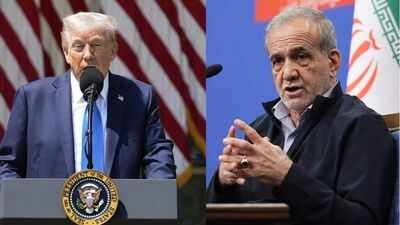
The move aims to mitigate the impact of U.S. President Donald Trump’s planned retaliatory tariffs, set to take effect on April 2. According to an internal analysis by the Indian government, Trump's tariffs could affect 87% of India's total exports to the U.S., worth $66 billion.
Under the proposed agreement, India is offering to reduce tariffs on 55% of the $23 billion worth of goods imported from the U.S., which currently face tariffs ranging from 5% to 30%. India's Ministry of Commerce, the Prime Minister’s Office, and government spokespersons have not responded to requests for comments.
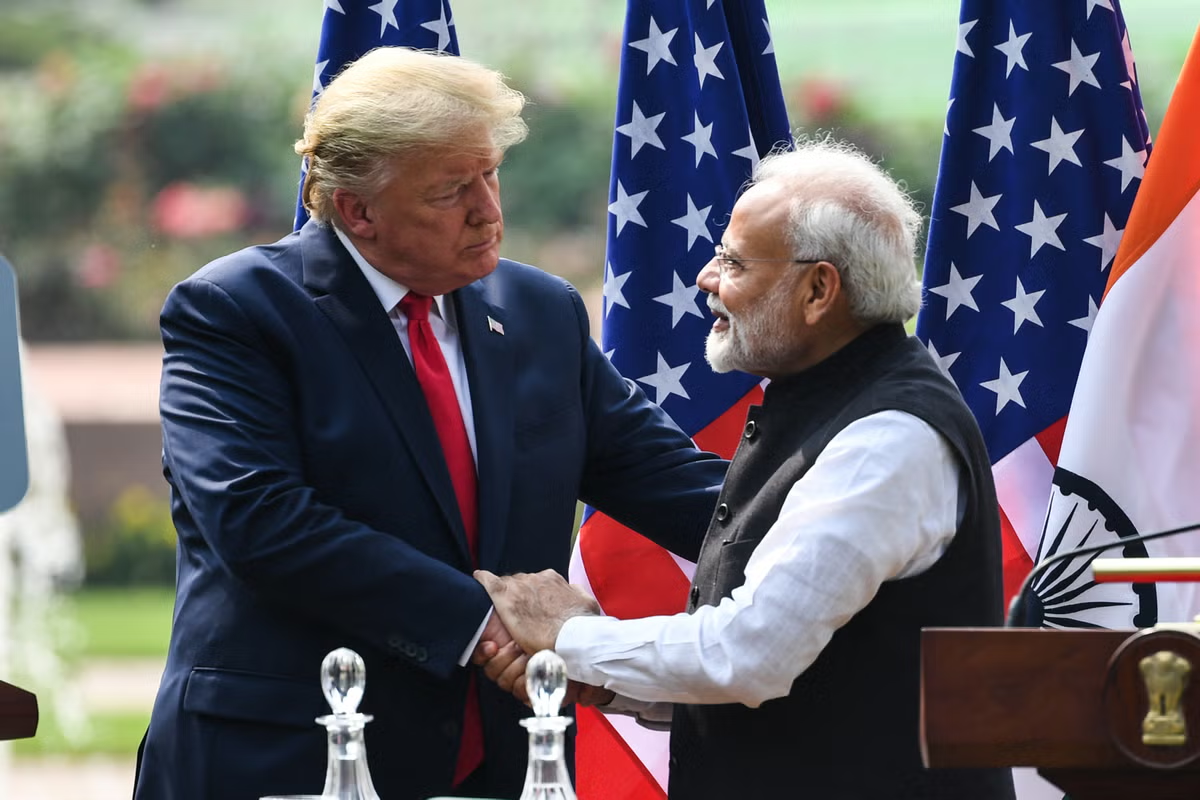
According to the World Trade Organization (WTO), the average U.S. tariff rate is 2.2%, whereas India's average tariff rate is 12%. India's trade deficit with the U.S. currently stands at $45.6 billion. During Prime Minister Narendra Modi's visit to the U.S. in February, both countries agreed to expedite trade negotiations and resolve tariff-related issues.
India has not yet finalized its tariff reduction decision and is also considering alternatives such as sector-based tariff adjustments and product-specific negotiations. However, if India does not receive a reciprocal tariff response from the U.S., implementing the tariff cuts may be challenging.
Due to the impact of U.S. tariffs, India anticipates a tariff increase of 6% to 10% on its exports, particularly affecting gems, mineral fuels, machinery, boilers, and electrical equipment. Additionally, the pharmaceutical and automobile sectors, which account for $11 billion in exports, are expected to be hit the hardest, as the U.S. is a major market for these goods.
The new tariffs could benefit alternative supplier countries such as Indonesia, Israel, and Vietnam, according to a Reuters source.