

Nvidia Faces New Pressure Over Credit Rating and Asian Shipments
Nvidia is facing growing pressure over leadership concerns, China-related chip investigations and new U.S. export restrictions. The latest developments include a possible credit rating downgrade and a pause in server shipments to four Southeast Asian countries.

Reporter · CSB News USA
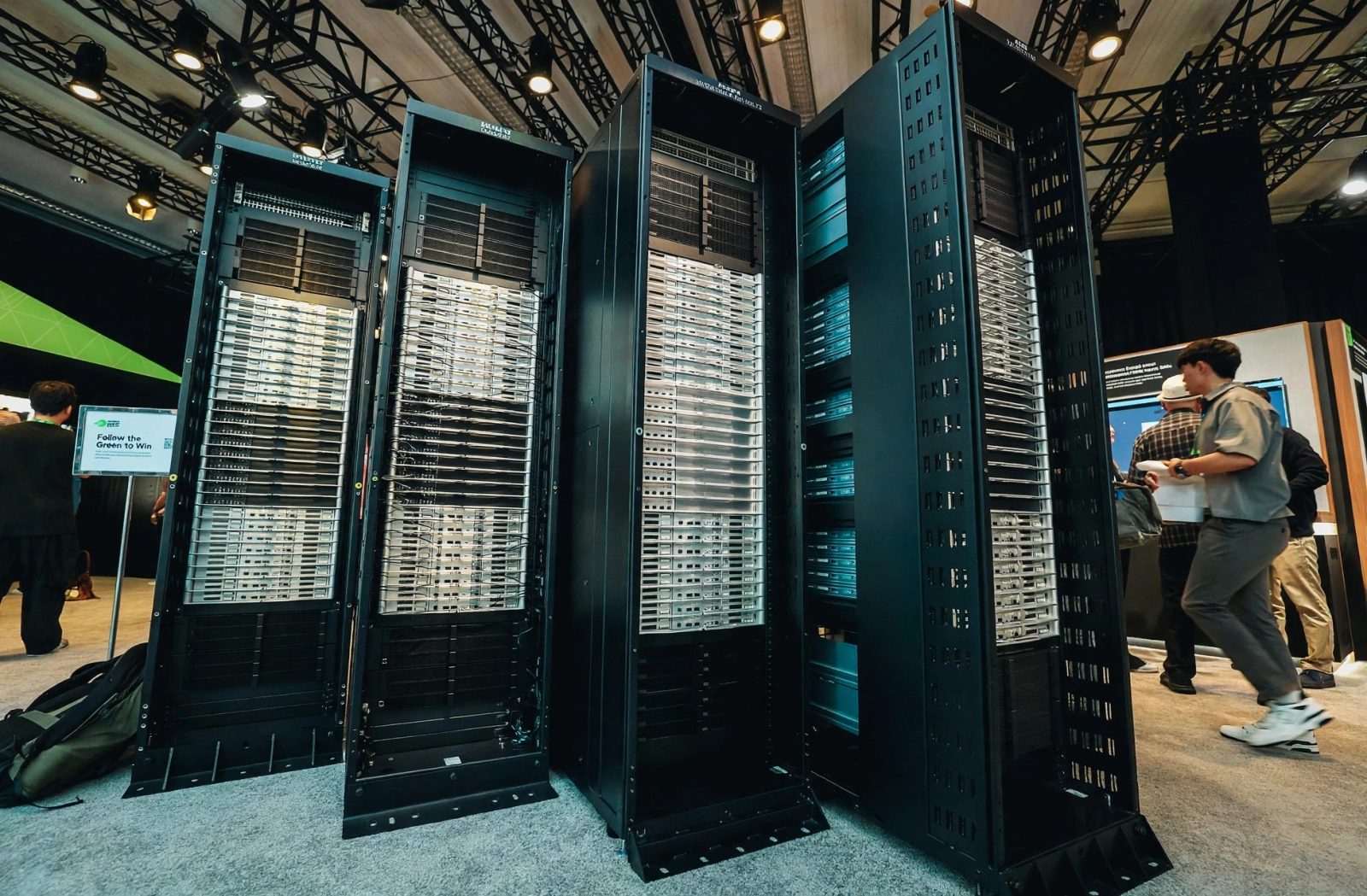
Nvidia, one of the world's leading artificial intelligence (AI) chipmakers, is facing growing challenges as concerns mount over its leadership, business operations and international sales. The company's CEO, Jensen Huang, recently stepped down and returned to his position within days, while allegations involving the shipment of advanced AI chips to China have drawn increased attention. At the same time, new U.S. export restrictions and concerns over Nvidia's credit rating are adding to the pressure.
On November 25, S&P Global Ratings placed Nvidia's 'AA' credit rating under negative review, raising the possibility of a downgrade. This does not mean the company's rating has already been lowered. Instead, the agency is reviewing whether Nvidia's current credit rating remains appropriate. A decision could come within the next 90 days. If the concerns remain unresolved, the rating could fall by one level to 'AA-minus'.
One of S&P's main concerns involves Nvidia's corporate governance and board oversight. The agency has raised questions about the company's leadership structure and the independence of its board following the sudden departure and return of Jensen Huang. It is also examining whether the company relies too heavily on a small group of long-serving board members when making major decisions.
The leadership controversy began on November 12, when reports involving Huang's personal relationships and allegations surrounding a former executive of Singapore-based company Megaspeed drew public attention. Huang subsequently stepped down as CEO. However, on November 23, Nvidia's board unanimously decided to bring him back to the position. The company said the board consulted with senior U.S. government officials before making the decision. Nvidia also indicated that an investigation into allegations involving possible foreign intelligence activity would continue under a committee of independent directors.
The controversy has also attracted attention in Washington. U.S. lawmakers want explanations about how advanced Nvidia chips may have reached Chinese companies and whether the company properly followed American export restrictions. Questions have also been raised about the board's decision-making process and the company's oversight procedures.
Another major concern involves Singapore-based Megaspeed and allegations that advanced AI chips were moved to China through intermediary companies. Authorities are examining whether businesses and data centers in other countries were used to bypass U.S. export restrictions. Megaspeed has maintained that its business activities are legitimate. However, the allegations have increased scrutiny of the international supply chain for advanced AI technology. It is important to note that allegations of illegal chip transfers do not establish that Nvidia or any individual executive knowingly participated in wrongdoing. Investigations and supporting evidence will be necessary before any conclusions can be reached.
new U.S. export restrictions are affecting Nvidia's business across Southeast Asia. According to a November 26 Reuters report citing the Financial Times, Nvidia instructed its manufacturing partners to pause shipments of servers containing its chips to Malaysia, Singapore, Thailand and Indonesia. The new U.S. rules require export licenses for certain advanced chips being shipped to these countries. Washington is concerned that Southeast Asian businesses and data centers could serve as indirect routes through which restricted technology reaches Chinese companies.
Major technology companies, including Dell and Super Micro Computer, are connected to the server supply chain. As a result, the restrictions could affect not only Nvidia but also other companies involved in manufacturing and distributing AI infrastructure. It remains unclear how long the shipment pause will continue. Nvidia and its manufacturing partners are reviewing the new requirements and considering how to comply with the restrictions while maintaining international business operations.
The company's stock has also experienced pressure. Nvidia shares fell approximately 3.9 percent on November 25, according to Reuters. However, the decline should not be attributed to a single issue. Investor concerns about leadership, export restrictions, China-related investigations and the future of AI industry spending may all be contributing factors. Nvidia plays a central role in the global AI industry. Its graphics processing units (GPUs) and server systems are widely used by technology companies to operate data centers and develop advanced AI models. Any major disruption to Nvidia's business could therefore affect a much wider section of the technology industry.
The company now faces several important challenges, including maintaining investor confidence, addressing questions about corporate governance, complying with U.S. export laws and protecting its position in international markets. Investors and technology industry leaders will be watching closely for Jensen Huang's expected appearance before the U.S. Senate Banking Committee on December 3. His explanations, along with S&P Global's review of Nvidia's credit rating, could play an important role in shaping the company's outlook.




Comments 0
Log in or create a free account to join the conversation. You can comment anonymously.
No comments yet. Be the first.