

Asia’s Tourism Potential: Exploring Natural Beauty, Heritage and Emerging Global Travel Opportunities
Asia is a continent of extraordinary beauty, rich cultural heritage and remarkable travel experiences. From the breathtaking Himalayas to the tropical beaches of Southeast Asia, from ancient historical landmarks to modern global cities, the region offers an unmatched diversity of destinations. As international travel continues to evolve, Asia is emerging as one of the world's most fascinating tourism regions, creating new opportunities for economic growth, cultural exchange and sustainable development. Its natural wonders, diverse traditions and growing tourism infrastructure are shaping the future of global travel.

Asia Correspondent, Tourism Analyst & Journalist · CSB News USA

58,485 views 3 min read
Listen to this article3 min
Asia is not only the world's largest continent but also one of its most diverse and fascinating tourism destinations. From the snow-covered peaks of the Himalayas to the turquoise beaches of Southeast Asia, from Japan's modern cities to the historic landscapes of the Middle East, Asia offers an extraordinary range of travel experiences.
Every year, millions of international travelers explore Asian destinations in search of natural beauty, cultural heritage, adventure, medical services, shopping and leisure. This growing diversity has made tourism one of the important sectors contributing to economic development across the region.
One of Asia's strongest tourism advantages is its remarkable geographical diversity. Nepal's Himalayan mountains, the Maldives' crystal-clear waters, Thailand's tropical beaches, Indonesia's Bali Island, Vietnam's scenic landscapes and Sri Lanka's lush tea gardens attract travelers from around the world.
Each destination offers a unique experience. Some are known for adventure tourism, others for coastal holidays, wildlife experiences or cultural exploration. This diversity gives Asia a competitive advantage in the global tourism market.
Asia's ancient civilizations and cultural traditions represent another major attraction for international visitors. Cambodia's Angkor Wat, India's Taj Mahal, China's Great Wall, Japan's historic temples and Istanbul's remarkable architectural heritage are more than popular tourist attractions. They represent centuries of history, culture and human achievement.
Heritage tourism allows countries to showcase their traditions, architecture, cuisine, arts and lifestyles while creating employment and business opportunities for local communities.
Several Asian countries have established strong international reputations in medical tourism. Thailand, India, Singapore and Malaysia attract international patients seeking healthcare services. South Korea has also become widely recognized for its medical and cosmetic services.
Modern hospitals, specialized healthcare facilities, advanced technology and international patient services have helped strengthen the region's position in this growing sector.
Business travel, educational tourism, religious tourism and international conferences are also contributing to the expansion of Asia's tourism economy.
Tourism creates opportunities far beyond hotels and airlines. It supports restaurants, agriculture, fisheries, transportation, construction, handicrafts, entertainment and digital services.
A single international visitor can contribute to the livelihoods of many people throughout a destination's local economy.
In rural and remote communities, responsible tourism can create new employment opportunities, encourage small businesses and support local development. As tourism expands across Asia, environmental challenges are becoming increasingly important.
Rising sea levels, coral reef degradation, landslides, plastic pollution and excessive visitor pressure threaten several important destinations.
For island nations such as the Maldives, climate change presents a particularly significant challenge. Protecting marine ecosystems and coastal environments is equally important for Southeast Asia's tourism destinations.
Sustainable tourism practices, effective waste management, responsible visitor policies and community participation are essential to protecting these natural assets.
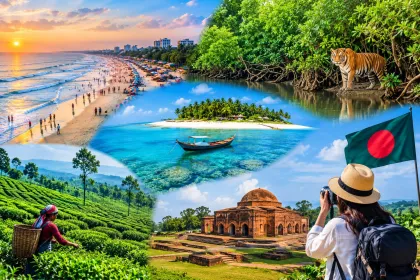
Bangladesh also possesses considerable potential in the Asian tourism market. Cox's Bazar, known for its extensive natural sandy beach, Saint Martin's Island, the Sundarbans mangrove forest, the tea gardens of Sylhet, the hills of the Chittagong Hill Tracts and numerous historical attractions offer diverse opportunities for domestic and international tourism.
However, transforming this potential into a competitive international tourism industry requires improved infrastructure, visitor safety, cleanliness, skilled professionals, international promotion and accessible travel services.
Bangladesh must also prioritize environmental conservation and meaningful local community participation to ensure long-term tourism development.
Modern travelers increasingly seek more than sightseeing. They want authentic experiences, opportunities to explore local cultures, traditional food, community lifestyles and natural environments.
Digital booking platforms, artificial intelligence-powered travel planning, online information services and environmentally responsible transportation are changing the way people travel.
Asian destinations must adapt to these developments by improving service quality, embracing innovation and providing more convenient travel experiences.
Ultimately, the success of tourism cannot be measured only by visitor numbers or revenue. It must also be measured by how effectively destinations protect their natural resources, improve local livelihoods and provide safe, memorable experiences for travelers.
Asia possesses extraordinary natural, cultural and historical resources. With strategic planning, responsible management and international cooperation, the continent can play an even greater role in shaping the future of global tourism.
Related News
Bangladesh Struggles to Attract International Tourists Despite Vast Tourism Potential

Record 274 climbers summit Everest from Nepalese side in single day

Migration crisis dominates Macron-Starmer talks during UK state visit

Comments 0
Log in or create a free account to join the conversation. You can comment anonymously.
No comments yet. Be the first.