

Bangladeshi-American Afsha Hossain Makes History as One of 10 Top Medical Scholars in the US
A daughter of Bangladeshi immigrants is making history in American medicine. Afsha Hossain has been selected as one of only 10 nationwide 2026 Pisacano Scholars and is the sole recipient from a Georgia medical school. Inspired by her parents’ struggles with healthcare access, she hopes to serve underserved communities.

Reporter · CSB News USA
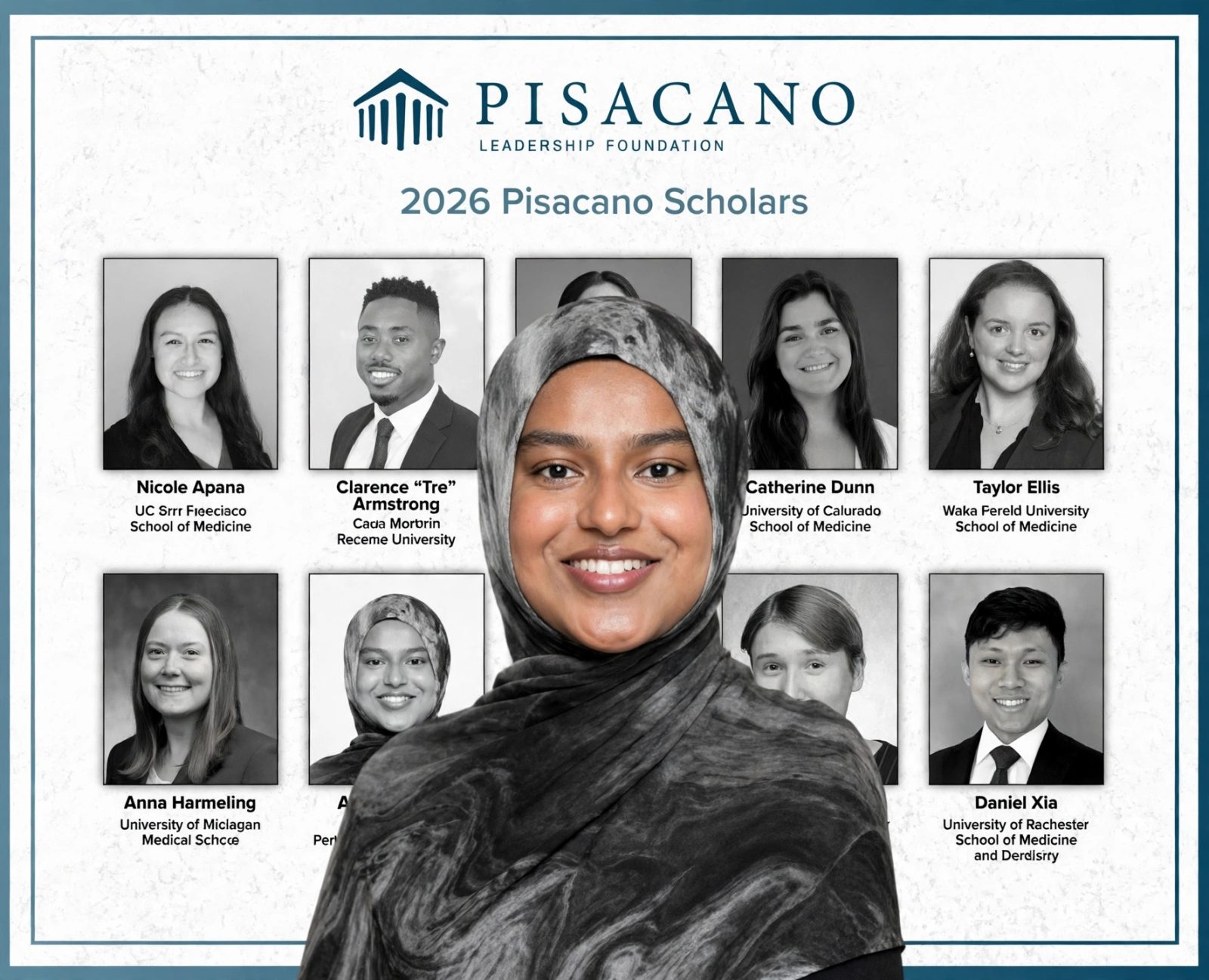
A Bangladeshi-American medical student is earning national recognition in the United States for her academic achievements, leadership and commitment to improving healthcare access for underserved communities.
Afsha Hossain, a fourth-year medical student at the Medical College of Georgia at Augusta University, has been named one of only 10 recipients of the prestigious 2026 Pisacano Scholar award nationwide. She is the only student selected from a medical school in Georgia and only the second student in the history of her medical college to receive the distinction.
Her achievement is particularly meaningful because her journey into medicine was shaped by the healthcare difficulties her own family experienced after immigrating from Bangladesh to the United States.
According to Augusta University’s official news publication, Jagwire, Hossain’s selection was announced on November 20, 2026. The Pisacano Leadership Program recognizes medical students who demonstrate academic excellence, leadership potential and a strong commitment to pursuing careers in family medicine.
For Hossain, however, the recognition represents more than an academic accomplishment. It reflects a personal journey that began with watching her parents struggle to access basic healthcare in a country where they were still learning the language and navigating an unfamiliar system.
A childhood shaped by her parents’ struggles
Hossain is the daughter of Bangladeshi immigrants and the first member of her family born in the United States. She grew up in the Atlanta metropolitan area of Georgia, surrounded by immigrant families and communities facing financial and social challenges.
During her childhood, her parents did not have health insurance. They often avoided seeking medical treatment for themselves because of financial difficulties and the complexity of the American healthcare system.
Her mother, who had limited English proficiency, struggled to understand the complicated paperwork and procedures required to obtain health coverage for her children.
Hossain recalled watching her mother repeatedly work through Medicaid applications to secure healthcare coverage for her and her brother.
In an interview published by Augusta University’s Jagwire, she explained that her mother did not fully understand how to navigate the healthcare system but continued trying to obtain insurance for her children.
Her parents went without healthcare coverage for a period of time and sought medical attention only when they had few other options.
Those experiences gave Hossain an early understanding of how language barriers, financial limitations and a lack of information can prevent immigrant families from receiving necessary medical care.
The situation became even more serious when her father experienced a hypertensive emergency after years of untreated high blood pressure.
His hospitalization left a lasting impression on Hossain. She began to understand that untreated chronic conditions could become life-threatening when people cannot access regular medical care, preventive screenings and appropriate treatment.
The experience also helped her recognize that healthcare inequality is not simply a medical issue. It can be closely connected to language, income, education and the ability to navigate complicated institutions.
That realization gradually shaped her ambition to become a physician who could help families facing similar difficulties.
From volunteering to a career in medicine
Before entering medical school, Hossain volunteered at several community health organizations in the Atlanta area.
Her volunteer experience included Shifa Clinic in Duluth, Community Advanced Practice Nurses in Atlanta and Clarkston Community Health Center.
These organizations serve people who often experience significant barriers to healthcare, including uninsured immigrants, refugees, people experiencing homelessness and vulnerable mothers and children.
Through her work, Hossain encountered patients whose circumstances reminded her of her own family’s experiences.
Some struggled with language barriers. Others could not afford medical services or lacked transportation. Many were unfamiliar with the healthcare system and worried about the cost of treatment.
Her volunteer work allowed her to understand how much difference compassionate medical professionals can make in the lives of people who have limited access to care.
During a gap year, she also worked as an emergency department scribe, gaining experience in a hospital environment while continuing her community service.
She gradually realized that she wanted a career that would allow her to build personal relationships with patients and help them obtain the medical services and resources they needed.
Why she chose family medicine
Hossain eventually chose family medicine because it would allow her to address several areas of healthcare while developing long-term relationships with patients.
Initially, she considered different medical specialties, including obstetrics and gynecology, pediatrics, psychiatry and family medicine.
However, her medical education and clinical experiences helped her recognize that family medicine could bring many of these interests together.
Family physicians provide care across different stages of life. Their work can include preventive healthcare, treatment of chronic conditions, women’s health, children’s health and mental healthcare.
Hossain particularly values the opportunity to follow patients over time, understand their personal circumstances and develop relationships built on trust.
Her experience at the Athens Free Clinic further strengthened her decision.
There, she worked with uninsured and underserved patients, including people recovering from substance use disorders.
One patient, a young woman participating in a recovery program, regularly visited the clinic over approximately two years.
At first, the patient was reluctant to share much information about her life. As time passed and trust developed, she gradually became more comfortable discussing her personal experiences and future goals.
Hossain and the healthcare team celebrated the patient’s progress and learned more about the circumstances affecting her health.
The experience demonstrated how long-term relationships can improve patient care.
Rather than focusing exclusively on a patient’s immediate medical problem, family medicine allows physicians to understand the broader circumstances influencing someone’s health and help develop realistic treatment plans.
Research and leadership beyond the classroom
Hossain’s commitment to improving healthcare access extends beyond volunteering and clinical education.
She has participated in community-based research examining barriers to preventive healthcare among people recovering from substance use disorders.
Her research has explored why some individuals struggle to access routine screenings and primary healthcare services and what can be done to reduce those barriers.
Through a community population health project involving a local recovery center, she also worked to identify resources that could help patients access healthcare, dental services, transportation and public health support.
Her academic achievements began well before medical school.
Hossain graduated as valedictorian of Berkmar High School in Lilburn, Georgia, in 2018.
She later attended Emory University, where she earned a degree in human health and completed a minor in nutrition science.
At the Medical College of Georgia, she has taken on several leadership responsibilities.
She has served as vice president of the Family Medicine Interest Group, student director of the Georgia Academy of Family Physicians and a national board member of the American Muslim Medical Student Association.
These positions have provided opportunities to promote family medicine, support fellow medical students, develop professional connections and encourage future physicians to serve diverse communities.
In 2025, she also received the American Academy of Family Physicians’ Family Medicine Leads Scholarship.
That recognition further demonstrated her interest in family medicine and leadership within the medical profession.
What the 2026 Pisacano Scholar recognition means
The Pisacano Leadership Program is named in honor of Nicholas J. Pisacano, a physician who strongly advocated for family medicine.
The program recognizes outstanding medical students who demonstrate the qualities needed to become future leaders in the specialty.
Selected scholars receive opportunities to participate in educational programs, professional meetings and leadership development activities. They also benefit from mentorship and connections with experienced family physicians.
Being selected among only 10 students nationwide is a significant achievement, particularly because Hossain represents the only medical school in Georgia among the 2026 recipients.
She is also the second Medical College of Georgia student to receive the honor, following the institution’s previous selection in 2025.
Hossain has described the opportunity as a chance to understand her potential as a future family physician and become a stronger advocate for patients and the communities she hopes to serve.
Rather than viewing the recognition simply as an award, she sees it as an opportunity to improve her leadership abilities and become a more capable physician during residency.
Her future plans remain connected to Georgia
Hossain is currently interviewing for family medicine residency programs as she prepares for the next stage of her medical career.
Although she has applied to programs in different parts of the country, she hopes to continue her medical training in Georgia.
The state is where she was born and raised, and where her family and community connections remain strongest.
She wants to give back to the communities that helped shape her personal and professional journey.
One of her long-term ambitions is to establish a free clinic where people who cannot afford healthcare can receive medical attention and support.
Her broader goal is to become the kind of physician her own family needed when she was growing up: someone who listens without judgment, understands patients’ circumstances, builds trust and helps people navigate the healthcare system.
Her story also highlights the contributions of Bangladeshi immigrant families to American society.
For many immigrant children, growing up means watching their parents overcome language barriers, financial difficulties and unfamiliar systems while working to create better opportunities for the next generation.
Hossain’s achievement offers an example of how those experiences can inspire a commitment to public service and professional excellence.
The little girl who once watched her mother struggle with insurance applications is now preparing to become a doctor.
Her journey is not only a story of individual success. It is also a reminder that access to healthcare should not depend on a person’s language, income or immigration background.
As she moves closer to completing medical school and beginning residency, Hossain hopes to use her education, research and leadership experience to make healthcare more accessible to the people who need it most.
For the Bangladeshi-American community, her national recognition is a source of pride. For the underserved families she hopes to serve, it may eventually represent something even more important: a physician who understands their struggles because she has seen them firsthand.
Disclaimer: This report is based on publicly available information from Augusta University’s Jagwire, the Medical College of Georgia, the Pisacano Leadership Foundation and related institutional publications. Personal experiences and quotations are attributed to the original published interviews.
Comments 0
Log in or create a free account to join the conversation. You can comment anonymously.
No comments yet. Be the first.