

Finland Proposes Higher Taxes on Unhealthy Foods to Encourage Healthier Eating Habits Nationwide
Finland’s Institute for Health and Welfare (THL) has proposed higher taxes on foods containing excessive sugar, salt and saturated fat, while reducing taxes on vegetables, berries and fruit to encourage healthier eating habits and improve public health.

CSB News USA
In a press release on Tuesday, THL said the proposal aims to encourage healthier food choices and improve population health, which could reduce healthcare costs in the long term.
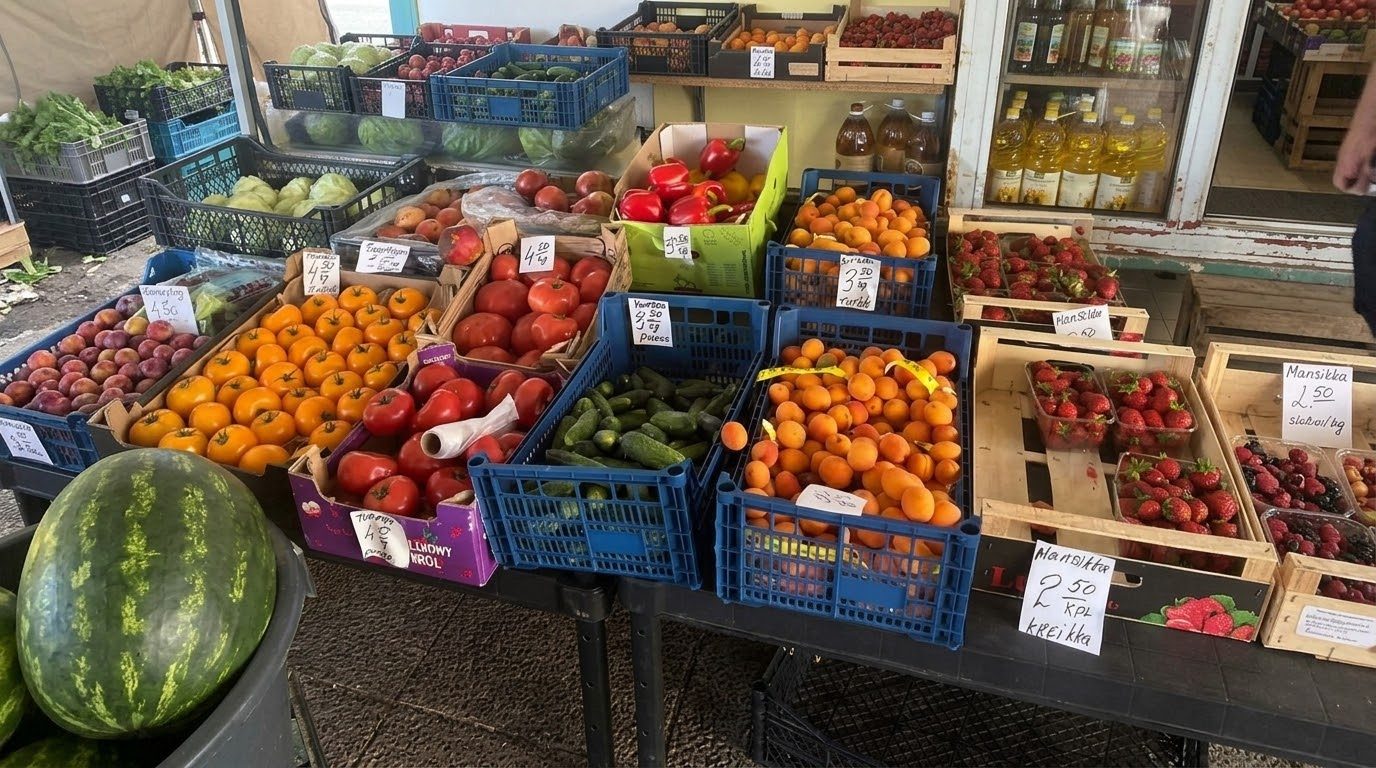
Under the proposed comprehensive taxation model, taxes would be increased on foods containing high levels of saturated fat, sugar or salt. Meanwhile, the tax rates on health-promoting foods, including vegetables, berries and fruit, would be reduced.
The proposed model is in line with the World Health Organization’s (WHO) recommendations on nutrition policy.
Health-based food taxation and other policy measures were discussed at a major policy debate held at Helsinki Central Library Oodi on Tuesday.
“The aim is to make healthy food choices easier and more attractive. Taxation would also encourage the food industry to develop healthier products, which would benefit all consumers,” said Mika Salminen, Director General of THL.
He said the comprehensive taxation model would be based on the saturated fat, sugar or salt content of food products rather than treating individual product categories differently.
Salminen also emphasised that both price and availability influence consumer choices. However, he said the price changes resulting from taxation must be substantial enough to significantly affect purchasing behaviour and, consequently, the dietary habits and health of the population.
Earlier on Monday, THL released research-based statistics showing that Finnish people consume too much saturated fat and salt, while their intake of vegetables, berries, fruit and wholegrain foods remains insufficient.
According to the findings, at least one in four adults and one in three young people consume excessive amounts of sugar.
Overweight and obesity also remain common among children, with little significant change compared with 2024.
According to statistics released by THL, 26 percent of boys and 18 percent of girls aged between 2 and 16 had overweight or obesity in 2025.
A growing body of research links the consumption of foods high in saturated fat, sugar and salt to obesity and chronic diseases, including type 2 diabetes and cardiovascular diseases.
“By introducing a comprehensive health-based taxation model, Finland can lead the way,” Salminen said.
THL stressed that health-based taxation should be part of a broader package of measures to improve public nutrition and health.
Other proposed measures include restricting the marketing of unhealthy foods, encouraging the development of healthier products, improving the availability of healthier alternatives and introducing clear food packaging labels indicating nutritional quality.
According to THL, research has shown that voluntary agreements have limited effectiveness.
The institute therefore recommends introducing health-based food taxation as one of the key measures during the next government term to improve nutrition and public health in Finland.
Reporter
CSB News USA
Related News

Pakistan's Muhammad Zeeshan Ali Makes History as First Astronaut in Space

Finland’s Unemployment Rate Hits 10.6% as Employment Falls by 51,000 in October 2026

Violence Against Women Rises Sharply in Germany, 342 Killed in 2025

Comments 0
Log in or create a free account to join the conversation. You can comment anonymously.
No comments yet. Be the first.