

U.S. Visa Delays Keep Thousands of Bangladeshi Families Apart, Leaving Loved Ones Waiting
Thousands of families, including Bangladeshi households, have faced uncertainty over U.S. immigrant visa restrictions. Husbands, wives, children and parents have been forced to remain separated despite years of waiting. Although a federal court overturned the suspension affecting 75 countries, many applicants continue to face delays, financial uncertainty and emotional hardship as they wait to reunite with their families

Reporter · CSB News USA
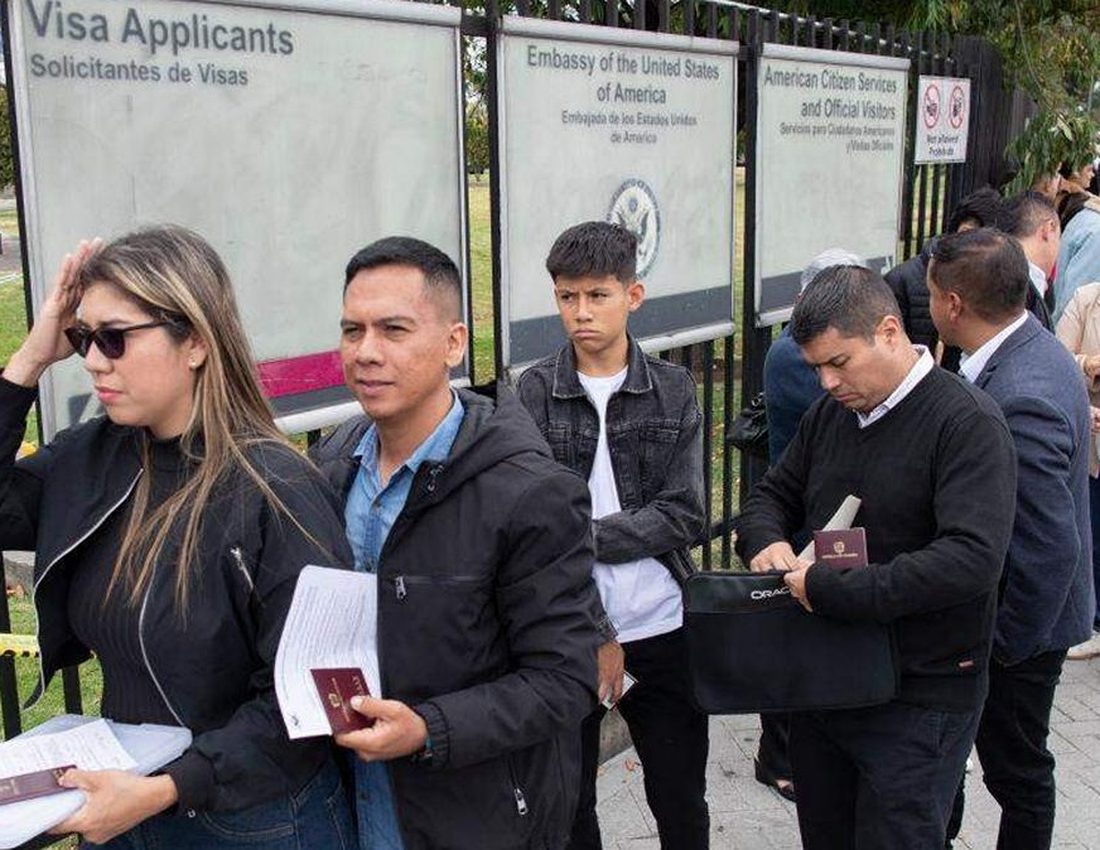
Thousands of families with ties to the United States have faced uncertainty and emotional hardship following a controversial immigrant visa suspension that affected citizens of 75 countries, including Bangladesh. The policy disrupted family reunification plans, leaving many husbands, wives, children and parents separated despite years of waiting and preparation.
For many Bangladeshi families, the issue was not simply about obtaining permission to enter the United States. It was about reuniting with loved ones, raising children together and finally building a life under one roof after years of separation.
One such case involves Tamim Hossain, a Bangladeshi man whose wife and two daughters have been living in New York. His wife works as a college instructor, while their daughters are pursuing their education in the United States.
Hossain, however, remained in Bangladesh, waiting for an immigrant visa that would allow him to join his family. According to a report published by The Daily Star, he had been waiting for approximately two years and had hoped to attend his visa interview in February 2026.
His plans were disrupted after the Trump administration announced a suspension of immigrant visa issuance for citizens of 75 countries, including Bangladesh.
The situation became particularly difficult because Hossain had already made major financial and personal decisions in preparation for moving to the United States. He had reportedly sold property and was preparing to leave his job, believing that he would soon be reunited with his wife and daughters.
Instead, his future became uncertain.
His family also faced difficult decisions. One of his daughters was considering moving to another state for university, but the possibility of finally seeing her father again influenced the family’s plans. Meanwhile, the family’s circumstances became even more complicated because of health concerns involving his father-in-law.
Hossain’s experience reflects the personal consequences of immigration restrictions that can extend far beyond government policies and administrative procedures.
For families separated by immigration delays, every additional month can mean another missed birthday, another holiday spent apart and another year without the opportunity to live together.
The suspension announced by the U.S. Department of State took effect on January 21, 2026. It covered immigrant visa applicants from 75 countries whose nationals were identified by the administration as potentially being at risk of becoming dependent on public assistance in the United States.
The administration said the measure was intended to review whether applicants could financially support themselves after arriving in the country.
The policy was connected to the public-charge assessment, which allows immigration authorities to examine certain factors when determining whether an applicant may become primarily dependent on government assistance.
However, the decision created widespread concern among families who had already spent years completing immigration procedures.
Many applicants had submitted documents, paid required fees, completed medical examinations or prepared for interviews. Some had already made financial arrangements to relocate to the United States.
Despite completing several stages of the process, they were suddenly left uncertain about when they would receive their visas.
Importantly, the suspension did not apply to every type of U.S. visa. It primarily affected immigrant visas intended for people seeking permanent residence. Tourist and business visas, as well as student and temporary employment visas, were not covered by this particular suspension.
The distinction was important because many people initially feared that all visa services for citizens of the affected countries had been stopped.
Family-based immigration was among the areas affected by the uncertainty. U.S. citizens and lawful permanent residents can sponsor certain family members, including spouses, children and parents, depending on their immigration status and the applicable category.
These immigration pathways are particularly important for families who have lived apart for years.
When immigrant visa issuance is suspended, spouses may remain in different countries even after their marriage has been legally recognized. Parents may continue living thousands of miles away from their children, while children may grow up without the daily presence of one or both parents.
For Bangladeshi families, the emotional consequences can be especially difficult.
Some couples have postponed wedding or relocation plans because they cannot be certain when they will be able to live together in the United States. Others are maintaining long-distance marriages through phone calls and video conversations.
Parents living in Bangladesh may miss important milestones in their children’s lives, including school achievements, birthdays and other family occasions.
Mothers separated from their children may also experience significant emotional distress. Similarly, children growing up without regular contact with a parent may struggle with the uncertainty surrounding family reunification.
Although individual experiences vary, prolonged family separation can contribute to loneliness, anxiety and financial pressure.
The policy also created difficulties for families who had already made substantial financial commitments. Selling property, leaving employment, arranging accommodation and preparing children for relocation can involve significant expenses.
When immigration plans are suddenly interrupted, families may find themselves without a clear alternative.
The suspension eventually faced legal challenges in the United States.
Immigration advocacy organizations and affected applicants challenged the administration’s decision, arguing that the restrictions exceeded the government’s legal authority.
On August 21, 2026, a federal court in New York ruled against the suspension. The court found that the administration had exceeded its legal authority in imposing the restrictions based on nationality.
The ruling removed the legal basis for the January suspension affecting the 75 countries, including Bangladesh.
The U.S. Department of State subsequently updated its guidance to reflect that the suspension was no longer in effect.
However, the court decision did not mean that every affected applicant would automatically receive an immigrant visa.
Applicants still had to meet the normal immigration requirements, provide the necessary documents and satisfy applicable eligibility criteria.
The end of the suspension also did not immediately resolve every administrative problem.
Some applicants continued waiting for new interview appointments, while others needed to provide updated documents or complete additional procedures.
On September 10, 2026, the State Department issued further instructions concerning the resumption of immigrant and diversity visa processing at U.S. embassies and consulates.
Even after processing resumed, the backlog and administrative workload created additional uncertainty for applicants.
Information collected from visa applicants and immigration monitoring platforms through November 2026 indicated that the resumption of processing was uneven across different U.S. diplomatic missions.
Some embassies had reportedly begun contacting previously affected applicants, while others had not provided clear updates about new interview appointments.
Information relating to the U.S. Embassy in Dhaka also suggested that some applicants had received further communication regarding their cases. However, there was no comprehensive official public breakdown establishing how many Bangladeshi applicants had completed the process or received visas following the suspension.
These applicant-reported observations should not be confused with official U.S. government statistics.
Court-related records also indicated that more than 43,000 immigrant visa applications had been affected by the suspension and were subject to reconsideration under the relevant legal proceedings.
However, reconsideration does not guarantee approval. Each application must still meet the applicable immigration requirements.
For Bangladeshi applicants, the most important step is to monitor official communication from the U.S. Embassy in Dhaka and the Department of State.
Applicants whose interviews were canceled or whose cases were delayed should check their individual case status and follow any instructions regarding updated documents, medical examinations and interview scheduling.
They should also avoid relying on unofficial social media claims or paying individuals who promise guaranteed visa approvals or special access to embassy appointments.
The broader issue highlights the human consequences of immigration policies that affect families already separated across international borders.
For people like Tamim Hossain, the American dream is not simply about moving to another country or finding better economic opportunities. It is about being reunited with a wife and daughters, sharing everyday family responsibilities and finally living together after years of separation.
Although the court ruling removed the suspension affecting 75 countries, many families are still waiting for their immigration cases to move forward.
For thousands of people, the most important question remains unanswered: When will they finally be able to reunite with their loved ones and live together again?
Related News
US Labor Department Warns More Companies Face H-1B and Green Card Investigations
U.S. November Visa Bulletin Opens Family Filing Window, While Job-Based Waits Continue

From Dhaka Medical to Michigan: Dr. Mubina Khan Builds a Medical Career in America

Comments 0
Log in or create a free account to join the conversation. You can comment anonymously.
No comments yet. Be the first.