
U.S. Military Presence Grows in Greenland as New Security Deal Reshapes Arctic Geopolitics
US, Denmark and Greenland Reach New Arctic Security Deal, Expanding American Military Access Amid Growing Concerns Over Russia and China.

U.S. Military Presence Grows in Greenland as New Security Deal Reshapes Arctic Geopolitics
The United States, Denmark and Greenland are preparing to sign a new security agreement aimed at strengthening defense cooperation in Greenland and across the strategically important Arctic and North Atlantic region, amid growing geopolitical competition involving Russia and China.
The governments of Greenland, Denmark and the United States are expected to sign the agreement during the United Nations General Assembly in New York, according to an official statement released by the Danish Prime Minister’s Office on September 18. The agreement will still need to go through the necessary national parliamentary procedures before entering into force.
The emerging deal represents a significant development after months of tensions over Greenland and President Donald Trump’s push for greater U.S. control and military access on the vast Arctic island.
Despite the expansion of American security involvement, the agreement does not transfer Greenland to the United States. Denmark and Greenland will retain their existing constitutional relationship, while the agreement recognizes the sovereignty and territorial integrity of the Kingdom of Denmark as well as the Greenlandic people’s right to self-determination.
Danish Prime Minister Mette Frederiksen said the planned agreement would strengthen collective security in the Arctic and North Atlantic and benefit NATO and Europe while respecting sovereignty and Greenlandic self-determination.
Greenland’s Prime Minister Jens-Frederik Nielsen also welcomed the expected agreement, saying it would strengthen the security of Greenland, Denmark, the United States and the broader Western alliance while recognizing Greenland’s interests and its role in international cooperation.
The United States already has a longstanding military presence in Greenland. Washington's defense relationship with Denmark concerning the island dates back to a 1951 defense agreement.
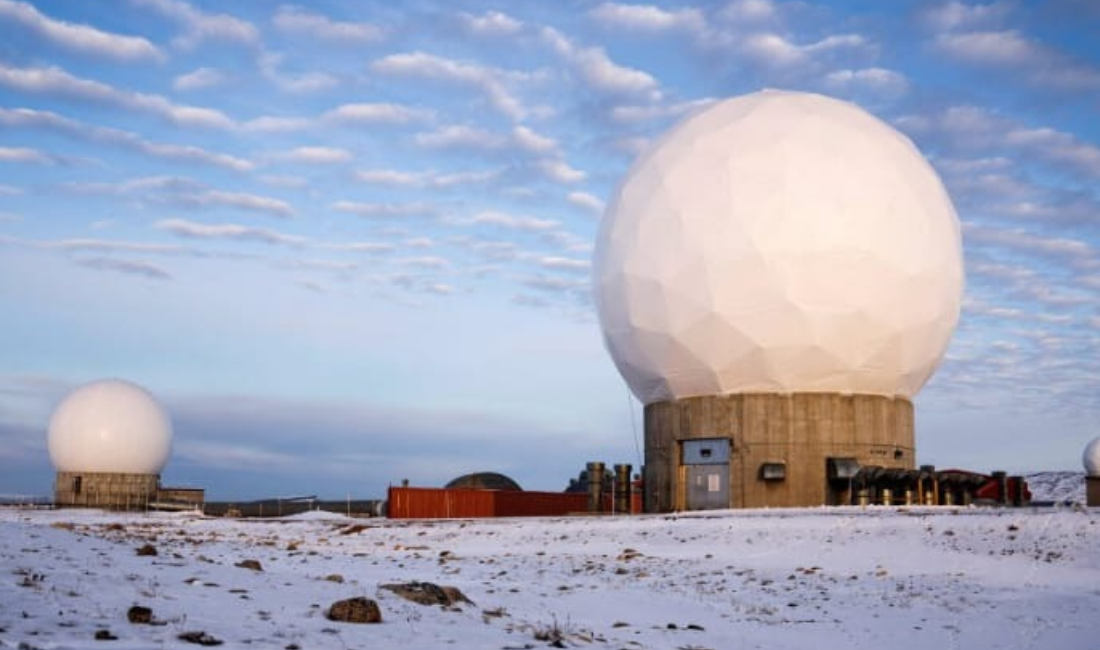
The U.S. military currently operates Pituffik Space Base in northwestern Greenland. The installation is strategically important for missile warning, missile defense and space surveillance because of Greenland’s location between North America, Europe and the Arctic.
The Arctic has become increasingly important to U.S. and NATO security calculations as Russia maintains a substantial military footprint in the region and Western governments monitor China’s growing strategic and economic interests there.
Denmark and other European NATO members have also increased their focus on Arctic security. Earlier in September, Frederiksen said allies were participating in Arctic Shield exercises involving operations on land, at sea and in the air around Greenland.
The Greenland question had previously created significant friction between Washington and Copenhagen.
Earlier in 2026, Frederiksen rejected suggestions that the United States needed to take over Greenland, emphasizing that Denmark and the United States already had a defense agreement providing Washington with extensive access to the island.
Greenlandic and Danish officials repeatedly stressed that the island was not for sale and that decisions concerning Greenland’s political future belonged to Greenland and Denmark.
European leaders also issued a joint statement in January emphasizing that Greenland belongs to its people and that Arctic security should be addressed collectively through NATO while respecting sovereignty, territorial integrity and international law.
The latest agreement appears to shift the focus away from the earlier sovereignty dispute and toward expanded security cooperation.
However, important details remain unresolved publicly. The Danish government’s September 18 announcement did not release the complete text of the agreement, meaning the precise scope of additional U.S. military access, infrastructure arrangements and other security provisions cannot yet be independently assessed.
The agreement is expected to receive additional scrutiny once its full terms are released and it moves through the required parliamentary processes.
For Washington, Greenland’s geographic position makes the island increasingly important to North American defense and Arctic surveillance. For Denmark and Greenland, the negotiations also involve balancing stronger cooperation with the United States against maintaining sovereignty and ensuring that Greenlandic authorities retain a central role in decisions affecting the island.
If signed as planned during the UN General Assembly, the agreement could mark a new phase in U.S.-Danish-Greenlandic security relations and further strengthen the Western military focus on the rapidly changing Arctic region.