Ukraine Seeks $27 Billion More as Europe Questions the Budget Shortfall
Ukraine has told its European allies that it needs an additional $27 billion to cover its defense-related expenses through the end of 2026, an unexpected request that has prompted European officials to seek a clearer explanation of the country’s finances

Ukraine Seeks $27 Billion More as Europe Questions the Budget Shortfall
Ukraine has told its European allies that it needs an additional $27 billion to cover its defense-related expenses through the end of 2026, an unexpected request that has prompted European officials to seek a clearer explanation of the country’s finances.
According to The New York Times, President Volodymyr Zelensky disclosed the funding gap to European and British leaders in Kyiv on Aug. 24. The request comes only months after the European Union finalized a support loan worth more than $100 billion for Ukraine.
The size of the new request has surprised some European officials. Four European diplomats told The New York Times, speaking anonymously because they were not authorized to discuss the matter publicly, that some officials are questioning whether Ukraine’s money is being spent efficiently or whether its financial needs may have been overstated.
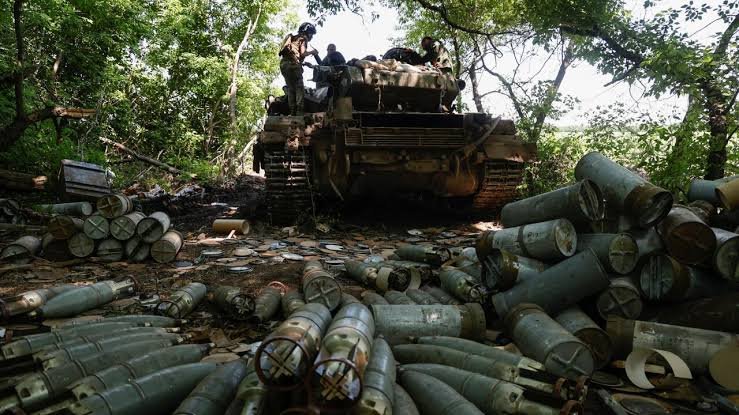
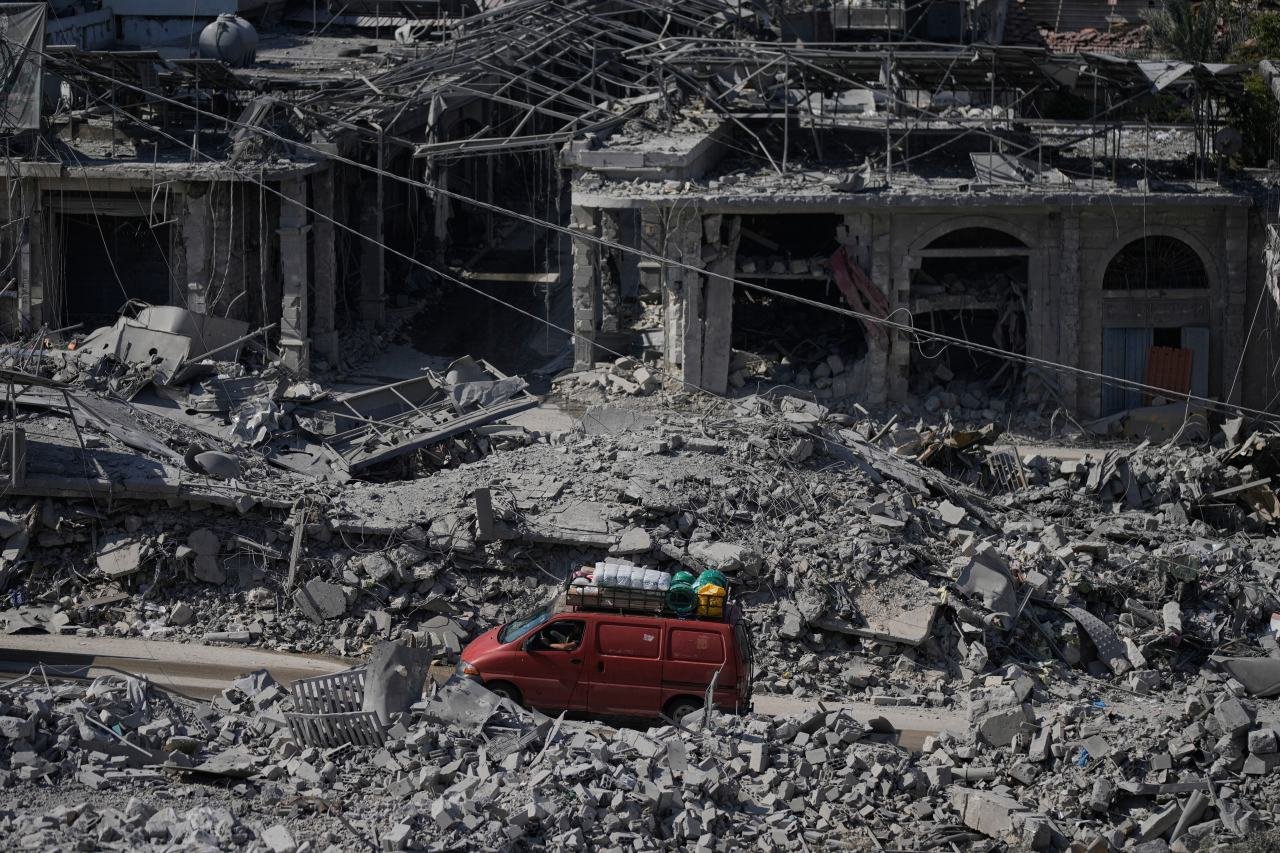
Ukraine is facing some of the most intense Russian attacks since the beginning of the war. Kyiv is struggling with shortages of air-defense interceptors as Russia continues launching drones and missiles against Ukrainian cities and infrastructure. Russian attacks on ports, industrial facilities and the country’s grain-export routes have also weakened government revenues.
The origin of the $27 billion shortfall remains disputed.
Zelensky said some of the spending had taken place under former Defense Minister Mykhailo Fedorov, claiming that the Defense Ministry had used funds originally budgeted for later in the year. Fedorov has rejected the suggestion that such a large deficit existed during his tenure, saying the shortfall may instead be linked to projects initiated under the ministry’s new leadership.
Ukraine has not released a full breakdown of the additional funding requirement. Zelensky has said the figure includes weapons, soldiers’ salaries and payments to families of troops killed in action.
Roksolana Pidlasa, head of Ukraine’s parliamentary budget committee, said officials had initially expected a shortfall of about $7.5 billion. However, military spending increased by more than 17% during the first eight months of 2026 compared with the same period a year earlier, she said.
Pidlasa attributed the rising costs partly to changes in Russian military tactics and intensified attacks on Ukrainian industry and exports.
Ukraine’s government is considering austerity measures, but officials say major cuts to military salaries and benefits for soldiers’ families are not realistic during the war.
European officials are now examining how to close the gap. One possibility is to accelerate payments from the EU’s existing Ukraine support loan. The loan is scheduled to be distributed over 2026 and 2027, but bringing some of the 2027 funds forward could provide Kyiv with additional cash immediately.
That option, however, would leave less funding available next year.
Ukraine is also pressing the EU to use more than $200 billion in frozen Russian sovereign assets held in Europe, particularly at Euroclear in Belgium, to support additional financing.
The proposal faces significant legal and financial obstacles. Belgium has expressed concerns that confiscating Russian state assets could undermine confidence in European financial institutions and encourage investors to withdraw funds.
Ukraine’s Foreign Minister Andrii Sybiha has urged European governments to act quickly, arguing that the money is needed now rather than being reserved as leverage for possible future negotiations.
The funding dispute highlights the growing financial burden of the war and the increasingly difficult challenge facing Ukraine’s European allies: maintaining support for Kyiv while also managing domestic spending pressures and public opinion.
Source: The Newyork Times