Pentagon Subjects 50 Joint Staff Members to Polygraphs in Major Leak Probe
U.S. government investigators have subjected roughly 50 members of the U.S. military’s Joint Staff to polygraph tests as part of an investigation into leaks to journalists, including reports about the impact of the Iran war on America’s dwindling stocks of critical munitions, according to officials briefed on the matter

Pentagon Subjects 50 Joint Staff Members to Polygraphs in Major Leak Probe
U.S. government investigators have subjected roughly 50 members of the U.S. military’s Joint Staff to polygraph tests as part of an investigation into leaks to journalists, including reports about the impact of the Iran war on America’s dwindling stocks of critical munitions, according to officials briefed on the matter.
Investigators questioned military officers and civilian employees about whether they had disclosed classified information to members of the media and whether they had provided journalists with information about declining U.S. weapons inventories.
The polygraph examinations were conducted in August following a series of news reports detailing shortages of critical munitions, including long-range missiles and Patriot interceptors.
People familiar with the investigation said the unusually broad testing appeared intended not only to identify those responsible for the leaks but also to discourage others from providing information to journalists in the future.
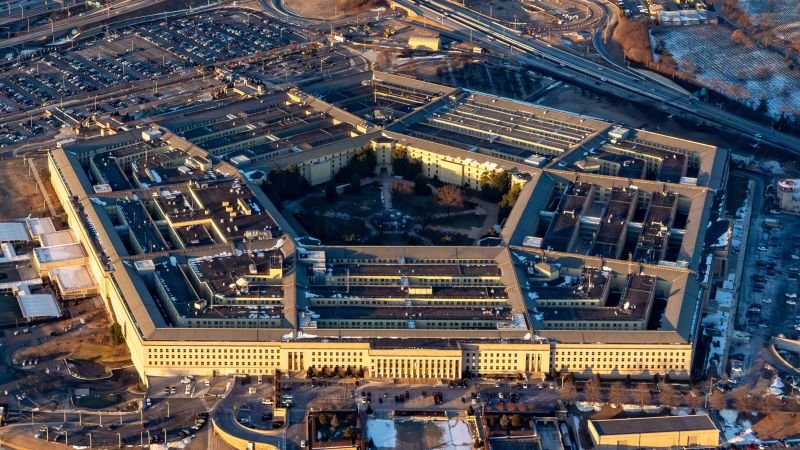
The Joint Staff, which coordinates military operations, policy and war planning with combatant commanders around the world, employs between 1,500 and 2,000 officers and officials.
Pentagon spokesman Sean Parnell said the Defense Department does not comment on internal personnel or investigative matters but takes leaks of classified national-security information extremely seriously.
The scale of the investigation is considered unprecedented. Retired Rear Adm. Donald J. Guter, a former Navy judge advocate general, said he had never seen polygraph testing used so broadly or at such a senior level within the U.S. military.
Growing Distrust Inside the Pentagon
The investigation comes amid growing scrutiny of the Trump administration’s handling of the war with Iran and reports that the conflict has significantly depleted U.S. weapons stockpiles.
President Donald Trump has pushed administration officials to aggressively pursue those responsible for unauthorized disclosures. He has also described media coverage critical of the U.S. handling of the war and ammunition shortages as “treasonous.”
Current and former officials say the leak investigations have contributed to an atmosphere of deep distrust and paranoia inside the Pentagon, which they attribute in part to Defense Secretary Pete Hegseth’s leadership style.
Since taking office, Hegseth has pushed out or blocked the promotions of at least 80 generals, admirals and other officials, according to the report.
Hegseth has also restricted journalists’ access to the Pentagon and has not briefed the Pentagon press corps on the Iran war since May 5.
Last month, the Defense Department fired the publisher and editor in chief of Stars and Stripes, a government-funded military news organization. The journalists said the move was retaliation for their reporting on worsening conditions aboard the USS Abraham Lincoln.
Despite growing criticism, Trump has continued to defend Hegseth, saying he is doing a “fantastic job.”
However, some Republican lawmakers have recently begun publicly criticizing the defense secretary. Sen. Thom Tillis of North Carolina, a member of the Senate Armed Services Committee, accused Hegseth of poor management and called on Trump to replace him.
Source: The Newyork Times.