US and Iran Continue Hostile Rhetoric Ahead of New Sanctions
The United States and Iran exchanged defiant messages on Saturday ahead of Washington’s planned announcement of new economic sanctions on Monday. The measures could affect Iran as well as some of its most important trading partners, including China

US and Iran Continue Hostile Rhetoric Ahead of New Sanctions
The United States and Iran exchanged defiant messages on Saturday ahead of Washington’s planned announcement of new economic sanctions on Monday. The measures could affect Iran as well as some of its most important trading partners, including China.
As the war approaches its sixth month, the two countries are no longer exchanging fire, but neither are they pursuing peace talks. Meanwhile, oil shipments through the Strait of Hormuz have virtually halted as Iran threatens to strike unauthorized oil tankers attempting to pass through the strategic waterway.
U.S. Treasury Secretary Scott Bessent is scheduled to hold a press conference on Monday, when he has promised to unveil what he described as “the toughest sanctions in history” against Iran. He has also urged China to cooperate with Washington.
According to 2025 data from analytics firm Kpler, China buys more than 80% of Iran’s seaborne oil exports. Beijing has called for diplomacy to resolve the conflict.
Iranian Foreign Ministry spokesperson Esmaeil Baghaei said on Saturday that the imminent U.S. sanctions amounted to an attempt to impose American authority over independent members of the United Nations. He said such secondary sanctions had no basis in international law.
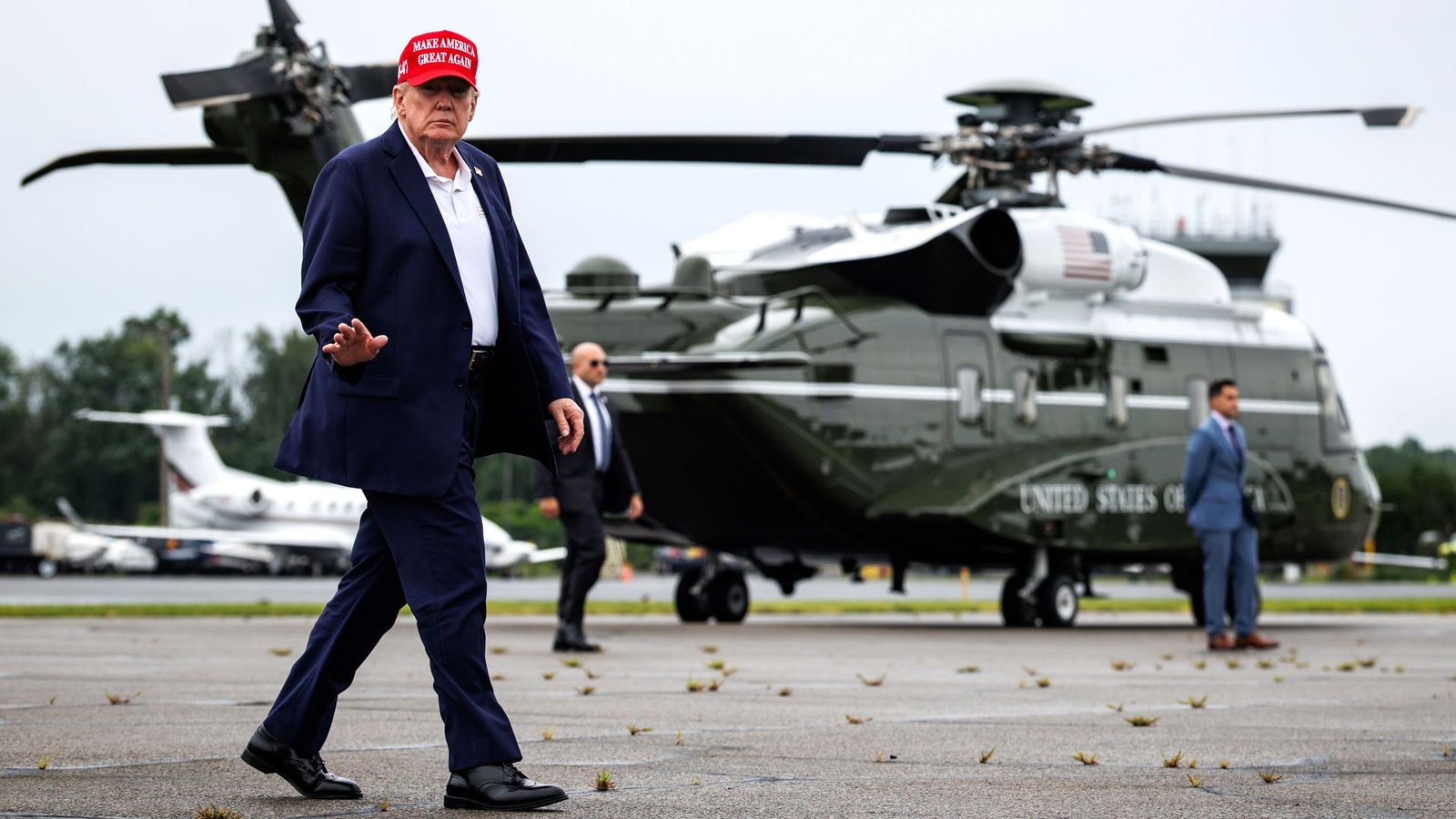
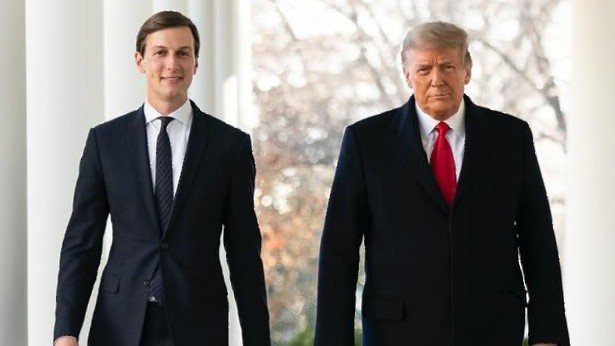
U.S. President Donald Trump has warned that Washington would impose economic consequences on any country providing “any type of lifeline to Iran.” On Friday, Trump said the United States was watching to see what happens in the conflict.
“They would love to make a deal, but they're not ready to make the right deal, in my opinion,” Trump said of Iran.
Hormuz Traffic Virtually Halted
The Strait of Hormuz has remained largely blocked, with thousands of seafarers stranded aboard hundreds of vessels.
Shipping-tracking data showed that only four commodity ships passed through the strait on Thursday, and none were large crude-oil carriers or liquefied natural gas tankers.
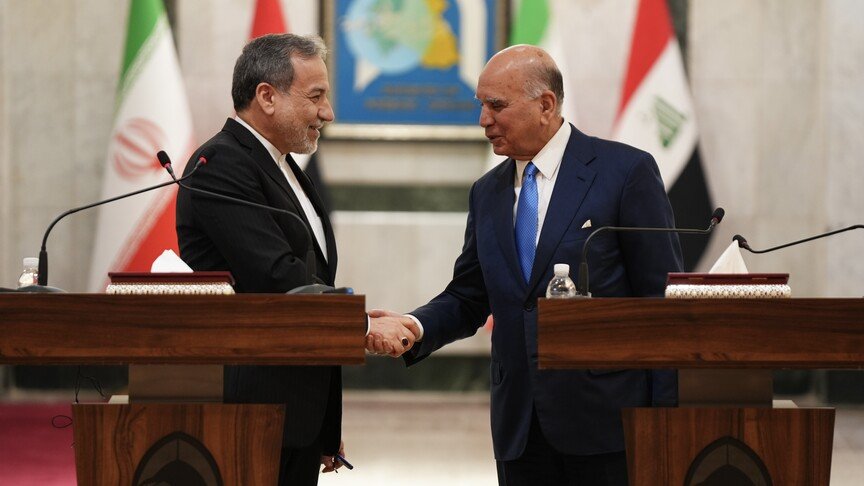
Iran has, however, granted permission for several Iraqi oil tankers to pass through the strait following repeated requests from Baghdad, Iran’s state news agency IRNA reported.
The permission was reportedly one of Baghdad’s main requests during a visit to Iraq by Iranian parliament speaker Mohammad Baqer Qalibaf.
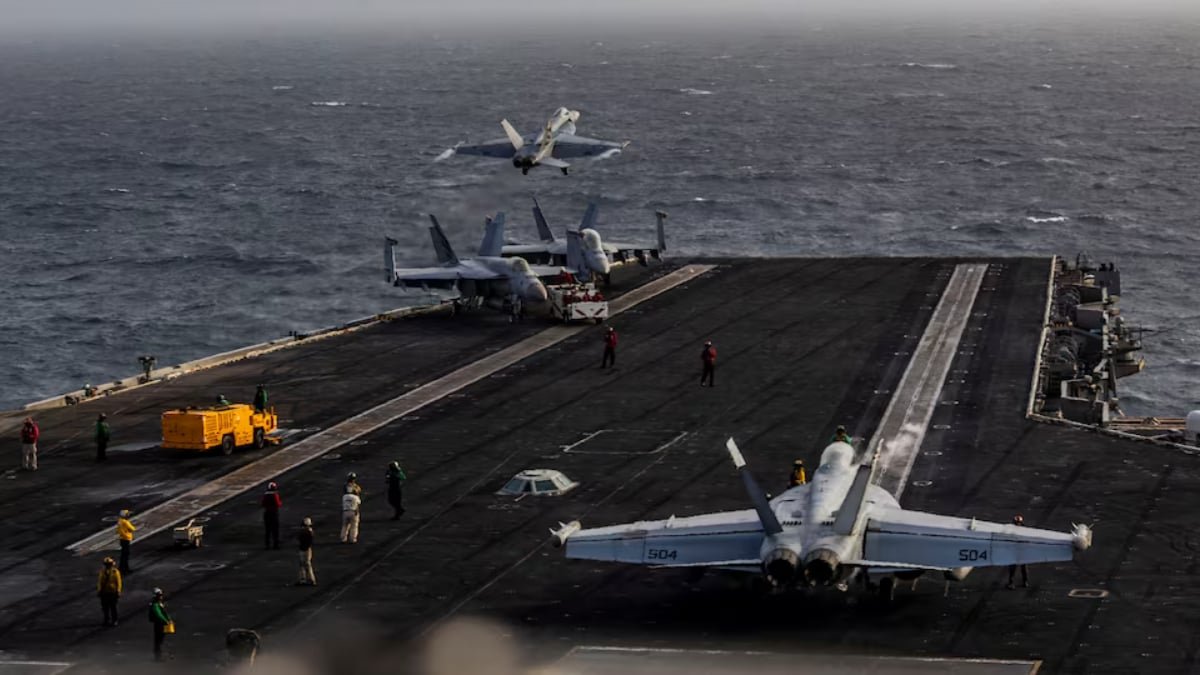
U.S. Energy Secretary Chris Wright said the U.S. military had helped move an average of 8 million barrels of oil per day through the strait over a seven-day period. Before the war, more than 20 million barrels per day passed through the waterway, representing roughly one-fifth of global oil consumption.
Iran’s Economy Under Severe Pressure
U.S. attacks have severely damaged Iran’s economy and weakened its navy and air force. However, Tehran still possesses enough missile and drone capabilities to disrupt oil tanker traffic and attack regional rivals.
Trump has yet to achieve some of the objectives he established at the beginning of the war, including dismantling Iran’s nuclear program and creating conditions for Iranians to overthrow the country’s clerical rulers.
The current state of Iran’s nuclear program remains uncertain because U.N. inspectors have been barred from the country since 2025.
Thousands of people have been killed in the war, including 168 Iranian schoolchildren on the first day of the conflict. The United States has reported more than 750 military personnel wounded and 18 killed.
Iranian Leaders Acknowledge Economic Strain
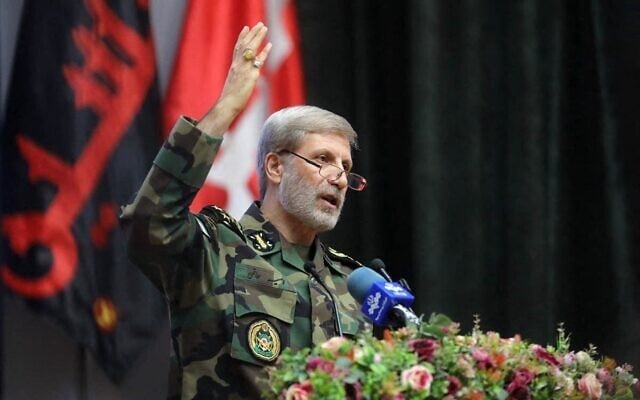
Iran’s armed forces chief of staff, Major General Ali Abdollahi, vowed on Friday that Iran would respond to threats from its enemies with “crushing, punishing and devastating responses.”
At the same time, Iranian President Masoud Pezeshkian called for a diplomatic solution.
“It would be better to end the war today, when we are powerful and have dignity,” Pezeshkian said, according to the ISNA news agency. He accused the United States of attacking Iranian schools, hospitals and infrastructure.
Iranian parliament speaker Mohammad Baqer Qalibaf, the country’s main negotiator in mediated talks with Washington, acknowledged the growing pressure on Iran’s economy during a meeting with Iranian and Iraqi businesspeople on Thursday.
“No matter how much military power we have, we won’t survive if people are hungry and we don’t have financial turnover, economic growth and national production,” Qalibaf said, according to IRNA.