Russia Targets Grain Ships, Raising Global Food Security Concerns
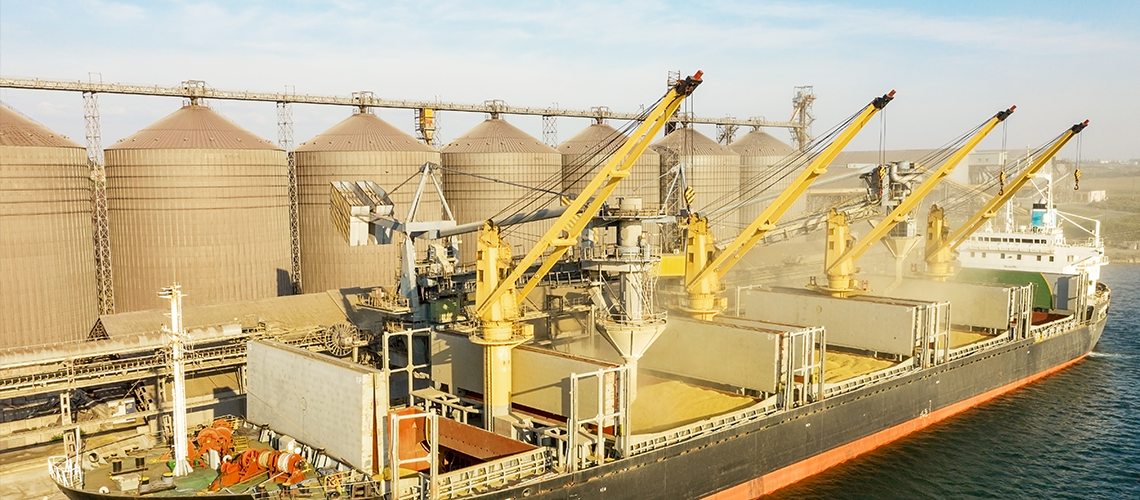
Russian attacks on Ukrainian ports and cargo vessels have brought maritime traffic to a near standstill at Odesa, Ukraine’s most important gateway to global markets. The disruption threatens the export of Ukrainian grain and could create major problems for global food supply chains

Russia Targets Grain Ships, Raising Global Food Security Concerns
Russian attacks on Ukrainian ports and cargo vessels have brought maritime traffic to a near standstill at Odesa, Ukraine’s most important gateway to global markets. The disruption threatens the export of Ukrainian grain and could create major problems for global food supply chains.
Ukraine is one of the world’s largest producers of wheat, corn and barley. With the harvest season beginning, Russia’s campaign against commercial shipping could significantly disrupt international food supplies.
In 2022, Russia’s blockade of Ukrainian ports caused global food prices to surge. At the time, an estimated 70 million people were placed at increased risk of acute food insecurity.
Dmytro Barinov, president of the Ukrainian Ports Association, said Russia was deliberately targeting civilian vessels, describing the campaign as a “professional hunting” operation against commercial ships.
At Least 50 Cargo Ships Attacked
The latest attacks are part of a long-running maritime conflict between Russia and Ukraine in the Black Sea and the nearby Sea of Azov.
According to Ukrainian officials, Russian forces attacked at least 50 cargo ships in June and July, killing more than 30 civilians.
The use of long-range precision weapons has made slow-moving commercial vessels particularly vulnerable.
Ukraine, meanwhile, has also systematically targeted Russian-linked oil tankers and cargo ships. Moscow’s maritime campaign appears to be partly a response to Ukraine’s attacks on vessels carrying Russian goods and energy.
Ukrainian Attack on Novorossiysk Port
Before dawn on Wednesday, Ukrainian forces launched a major attack on Russia’s Black Sea port of Novorossiysk, using jet-powered drones, missiles and unmanned naval systems.
Ukrainian President Volodymyr Zelensky said air-defense positions, piers and port infrastructure were hit.
Veniamin Kondratyev, governor of Russia’s Krasnodar region, said three people were killed, including an 8-year-old child, and about 60 residential buildings were damaged.
Novorossiysk Mayor Andrei Kravchenko declared a state of emergency. Water supplies to parts of the city were suspended after two major water lines were damaged.
Millions of Tons of Grain Could Be Trapped
The ports of Odesa and two nearby ports account for roughly 60% of Ukraine’s total monthly export revenue, which stands at about $3.5 billion.
If the Russian blockade continues, millions of tons of grain could become trapped at the ports.
The Ukrainian Agri Council has warned of a potential wave of bankruptcies and called for emergency loans and government guarantees.
The situation echoes Russia’s 2022 blockade of Ukrainian ports. That year, the United Nations and Turkey brokered the Black Sea Grain Initiative, allowing Ukrainian grain exports to resume. The agreement collapsed a year later.
Deadly Strike on the Golden Leo
Among the vessels targeted in recent weeks was the bulk carrier Golden Leo.
Blesson Sebastian, a 28-year-old Indian second officer aboard the ship, said the Russian attacks were far more intense than anything he had experienced during previous trips to Ukraine.
The crew avoided Odesa’s main port and docked at nearby Chornomorsk, but even there they found little safety. A neighboring ship was attacked by drones, killing an officer and a security guard.
On July 19, the Golden Leo departed after being fully loaded with grain.
About four miles from the port, an air-raid alarm sounded. Ukrainian pilot Volodymyr Mykhailov advised Sebastian to leave the bridge because Russian drones often target navigation decks.
As they were moving downstairs, a Russian missile struck the ship.
The explosion sent fire throughout the vessel. Sebastian and Mykhailov were thrown to the floor. Mykhailov died in Sebastian’s arms.
The ship’s captain was severely burned, while another crew member was knocked unconscious. Thick smoke poured from the engine room, forcing the surviving crew to escape in a small boat.
Nine crew members and Mykhailov were killed in the attack. The Golden Leo sank a week later.
Growing Concern Over Freedom of Navigation
Elisabeth Braw, a maritime security expert at the Atlantic Council, said Russia was conducting a systematic and indiscriminate campaign against merchant vessels carrying agricultural products and other nonmilitary cargo in and out of Ukrainian ports.
She said such attacks violate international agreements, including the United Nations Convention on the Law of the Sea.
Russia, however, argues that the Russian-linked vessels targeted by Ukraine are being used to circumvent sanctions and transport energy that helps finance Moscow’s war effort.
Western countries have also intercepted some of these vessels, which are part of Russia’s so-called “shadow fleet.”
On Wednesday, Russian President Vladimir Putin described efforts to stop such vessels as “piracy and robbery” and vowed to respond.
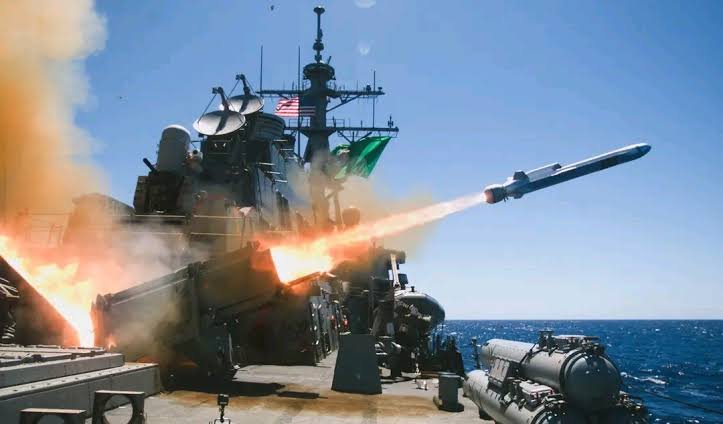
The escalating maritime conflict is no longer simply a battle between Russia and Ukraine. Experts warn that the growing use of drones, anti-ship missiles and mines in strategic waterways such as the Black Sea, Red Sea and Strait of Hormuz is threatening one of the foundations of global commerce: freedom of navigation.
After the attack on the Golden Leo, Sebastian suffered first-degree burns and said he no longer wanted to work at sea.
“Money is not bigger than life,” he said.
Source: The New York Times.