Europe’s Dream Shattered by the Reality of Ceuta
Thousands of migrants who entered Spain’s North African enclave of Ceuta hoping to reach mainland Europe are now returning home after facing harsh realities, including food shortages, overcrowded shelters, legal uncertainty, and tighter border controls. The crisis has reignited debate over Europe’s immigration policies and border security.


Europe’s Dream Shattered by the Reality of Ceuta
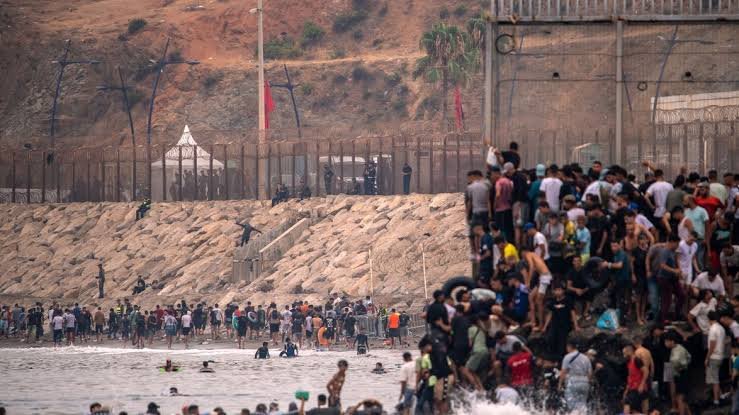
Spain’s North African enclave of Ceuta has once again become the center of a renewed migration crisis after thousands of migrants from Morocco and other African countries crossed into the territory in search of a better life in Europe.
Many migrants reportedly believed, based on misleading information circulating on social media, that entering Ceuta would provide an easy route to mainland Europe. However, after crossing the border, they encountered a far different reality.
Migrants faced shortages of food, limited shelter facilities, legal uncertainty, and growing resistance from local communities. Some described the enclave as “a prison,” saying they found themselves trapped without a clear path forward.
In response, Spanish authorities strengthened border security by deploying additional police and military personnel while increasing surveillance around the border. As conditions became more difficult, many migrants voluntarily—or under mounting pressure—began returning to Morocco. Reports indicate that a significant portion of those who crossed into Ceuta have already left.
Migration experts say the incident highlights the dangers of misinformation spread by human traffickers and social media, which often encourages young people to risk dangerous journeys in pursuit of a better future.
The latest developments have reignited discussions across the European Union over migration policy, border management, and humanitarian responsibilities, while serving as another reminder that irregular migration rarely guarantees the opportunities many migrants hope to find.