Venezuela Earthquake Death Toll Rises to 589 as Interim President Pledges Rescue Efforts
Venezuela’s interim president, Delcy Rodríguez, has pledged to save “as many people as possible” after the country’s deadliest earthquake in more than a century, as the official death toll rose sharply and frustration mounted over the government’s response

Venezuela Earthquake Death Toll Rises to 589 as Interim President Pledges Rescue Efforts
Venezuela’s interim president, Delcy Rodríguez, has pledged to save “as many people as possible” after the country’s deadliest earthquake in more than a century, as the official death toll rose sharply and frustration mounted over the government’s response.
Speaking during a visit to the devastated coastal region of La Guaira on Friday, Rodríguez said the confirmed death toll had climbed to 589, while nearly 3,000 people had been injured. She also announced that international search-and-rescue teams had begun arriving to assist with recovery efforts and expressed solidarity with the families of the victims.
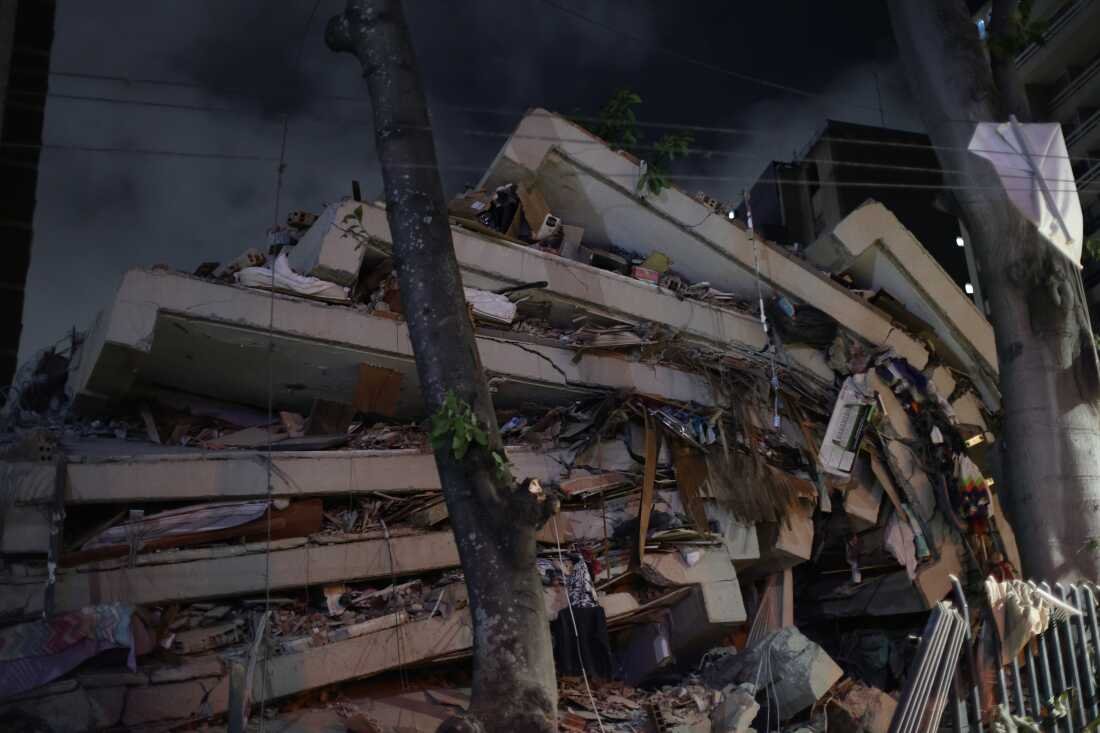
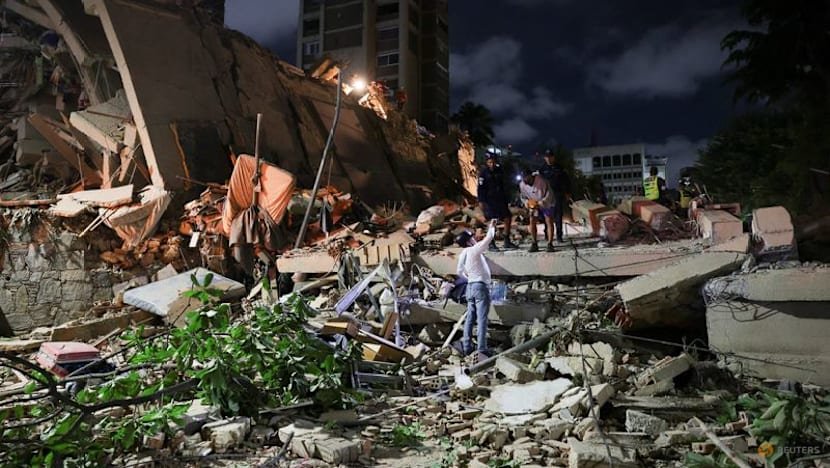
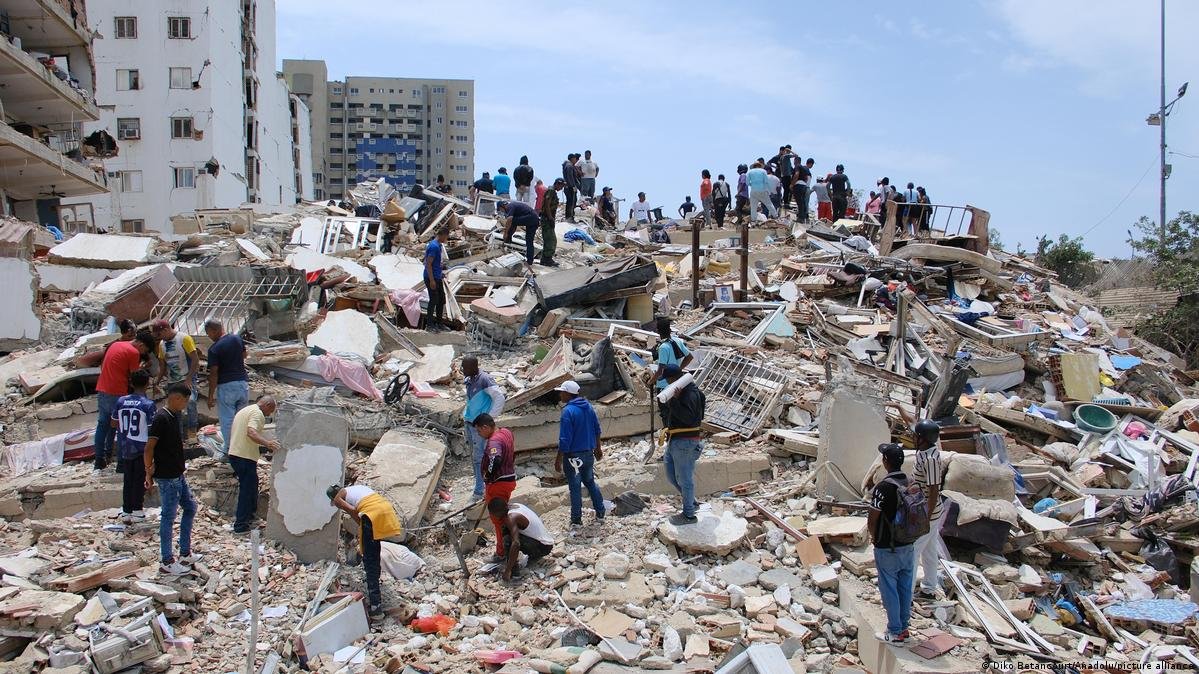
Survivors, volunteers, and relatives of those still missing criticized what they described as a slow and inadequate official response. In many locations, local residents reportedly launched rescue operations themselves, digging through collapsed buildings with their bare hands and limited tools before government emergency crews arrived.
Paramedic Rotny Bombart, who spent hours searching for his mother in the ruins of a collapsed apartment tower, said the destruction was overwhelming and that ordinary citizens had to take the lead in rescue efforts. Another volunteer, Diego González, recounted spending four hours helping extract his cousin from the rubble with assistance from friends, stressing the urgent need for equipment and organized support.
The United States has announced humanitarian assistance, with Defense Secretary Pete Hegseth stating that, under President Donald Trump’s direction, U.S. military resources were being mobilized to support life-saving operations. Several other countries—including Brazil, Colombia, El Salvador, Mexico, Spain, France, Turkey, and Switzerland—have also offered rescue teams and aid.
Experts argue that years of economic decline and underinvestment have left Venezuela poorly prepared for a disaster of this magnitude. Orlando Pérez, a Latin America specialist at the University of North Texas at Dallas, said the crisis has exposed serious weaknesses in the country’s emergency response and healthcare infrastructure.
Opposition figures, including Jesús Armas and Juan Pablo Guanipa, criticized successive governments for failing to strengthen emergency services despite the country’s seismic vulnerability. They also questioned the limited visibility of the armed forces in rescue operations, arguing that greater military involvement could accelerate efforts to save lives.
As rescue teams continue searching through the rubble, concerns remain that the humanitarian toll could rise further, with thousands of people displaced and many still unaccounted for.