Europe’s Record-Breaking Heat Wave: What You Need to Know
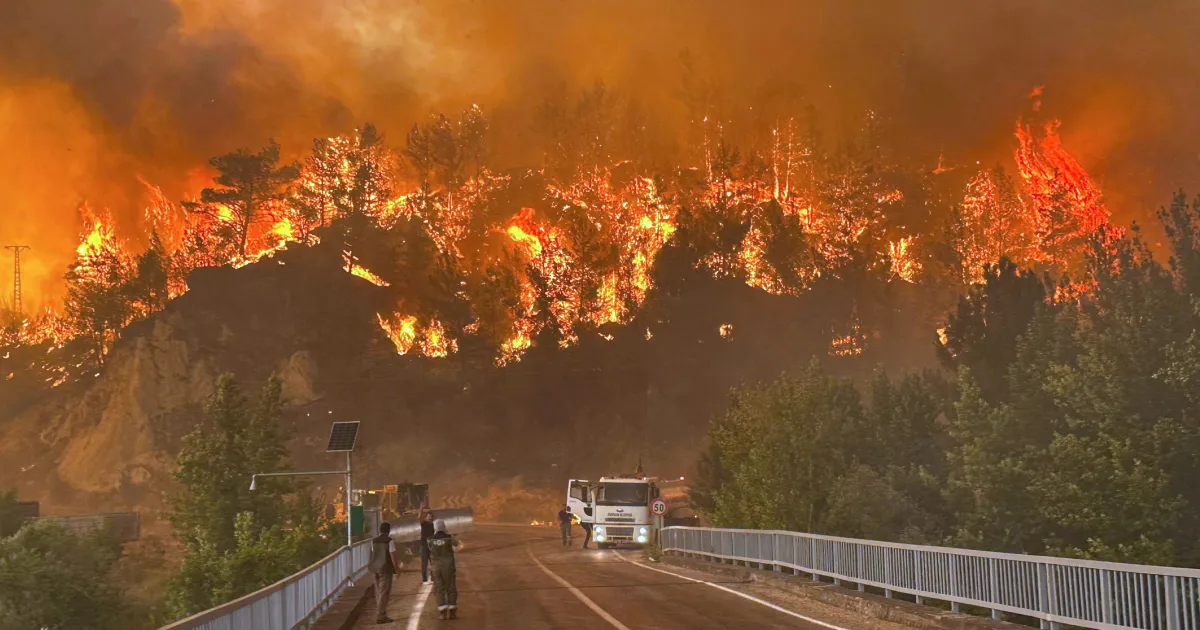
Europe is experiencing its second major heat wave in just two months, with temperatures expected to break multiple records across the continent. France recorded its hottest day ever—not only for June but for any time of the year—while forecasters warned that the United Kingdom could also surpass its all-time June temperature record

Europe’s Record-Breaking Heat Wave: What You Need to Know
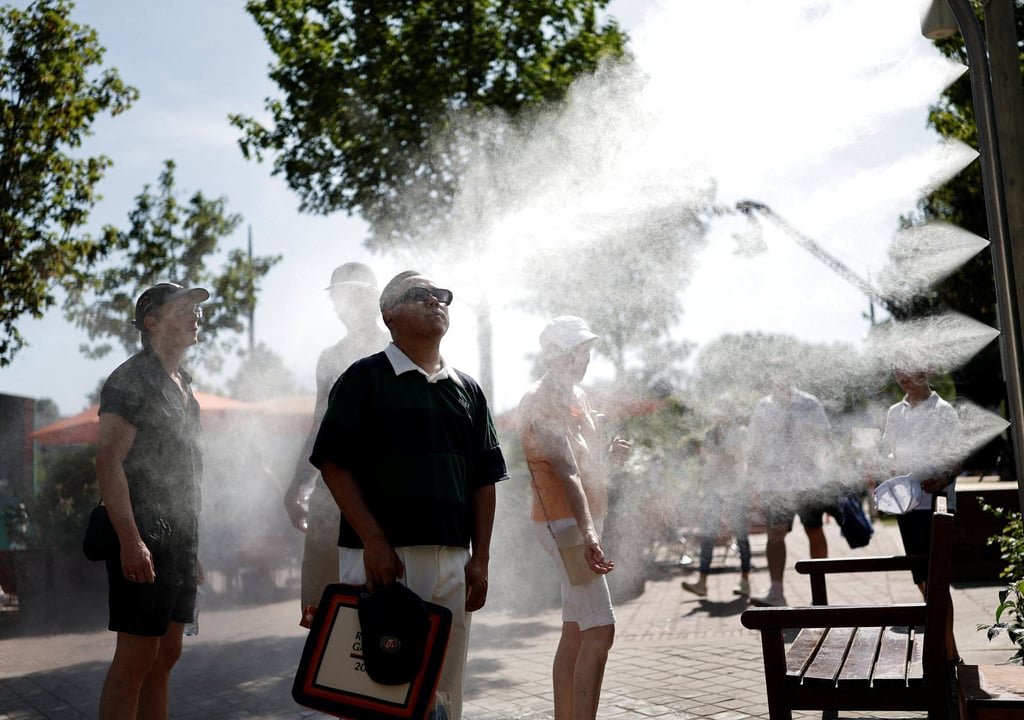
Europe is experiencing its second major heat wave in just two months, with temperatures expected to break multiple records across the continent. France recorded its hottest day ever—not only for June but for any time of the year—while forecasters warned that the United Kingdom could also surpass its all-time June temperature record.
As global temperatures continue to rise, Europe is warming faster than any other continent. The increasing frequency and intensity of heat waves have exposed vulnerabilities in infrastructure, with many homes, schools, and public buildings lacking adequate air conditioning.
How Hot Will It Get?
High-level heat warnings have been issued across numerous countries, including Andorra, Austria, Belgium, Bosnia and Herzegovina, Britain, Croatia, France, Germany, Hungary, Italy, Luxembourg, Poland, Serbia, Slovakia, Slovenia, Spain, and Switzerland.
France is expected to see temperatures exceed 40°C (104°F), with more than half the country under the highest heat alert.
In Spain, temperatures could reach 41°C (106°F) in northern regions, while several locations have already exceeded 42°C (107°F).
The United Kingdom has issued a rare red extreme heat warning, with temperatures forecast to rise to 38°C (100°F) on Wednesday and 39°C (102°F) on Thursday across parts of England and Wales.
Italy has placed more than half of its major cities under red heat alerts, with cities such as Florence and Milan expected to reach 37°C (97°F).
Germany could see temperatures climb to 41°C (106°F) by the weekend.
Impact on Daily Life
The extreme heat is already affecting lives and infrastructure across Europe:
French authorities reported that at least 40 people drowned over the past week, many while swimming in unsupervised areas during the hot weather.
In the United Kingdom, National Rail advised passengers to travel only when necessary due to weather-related disruptions.
In France, approximately 68,000 homes lost electricity after power grid failures linked to soaring demand for cooling.
Climate Change Concerns
Scientists agree that climate change is making heat waves more frequent, longer-lasting, and more intense. Europe has emerged as the fastest-warming continent, and recent studies estimate that tens of thousands of heat-related deaths occur across the region each year.
Many buildings throughout Europe were designed for cooler climates and are poorly equipped to cope with prolonged periods of extreme heat, making adaptation an increasing challenge.
Staying Safe During Extreme Heat
Health experts recommend:
Staying hydrated by drinking water regularly.
Keeping indoor spaces cool by blocking direct sunlight during the day and ventilating at night.
Using cool water or cold showers to reduce body temperature.
Limiting outdoor activities during peak heat hours.
Seeking immediate medical attention if symptoms such as dizziness, nausea, rapid pulse, severe headache, or fainting occur, as these may indicate heat stroke.