Hezbollah Rejects Israel-Lebanon Ceasefire as Trump Pushes to End Iran War
A U.S.-brokered ceasefire agreement between Israel and Lebanon has been thrown into doubt after Hezbollah rejected the deal, raising fresh concerns about regional stability and ongoing peace efforts in the Middle East

Hezbollah Rejects Israel-Lebanon Ceasefire as Trump Pushes to End Iran War
A U.S.-brokered ceasefire agreement between Israel and Lebanon has been thrown into doubt after Hezbollah rejected the deal, raising fresh concerns about regional stability and ongoing peace efforts in the Middle East.
Hezbollah leader Naim Qassem denounced the ceasefire proposal, calling it a “roadmap to annihilate part of the Lebanese people.” He demanded a complete cessation of hostilities and the withdrawal of Israeli forces from Lebanese territory, warning that northern Israel would remain unsafe as long as Lebanese villages continued to be targeted.
The ceasefire, agreed to by the Israeli and Lebanese governments on Monday, called for Hezbollah to halt all attacks and withdraw its fighters from south of the Litani River. However, Hezbollah was not directly involved in the negotiations, as the Lebanese government sought to reassert state authority and limit the group's military role.
Lebanese Prime Minister Nawaf Salam defended the agreement, arguing that negotiations offered the quickest and least costly path toward ending the conflict. He warned that those obstructing the ceasefire would bear responsibility for its consequences.
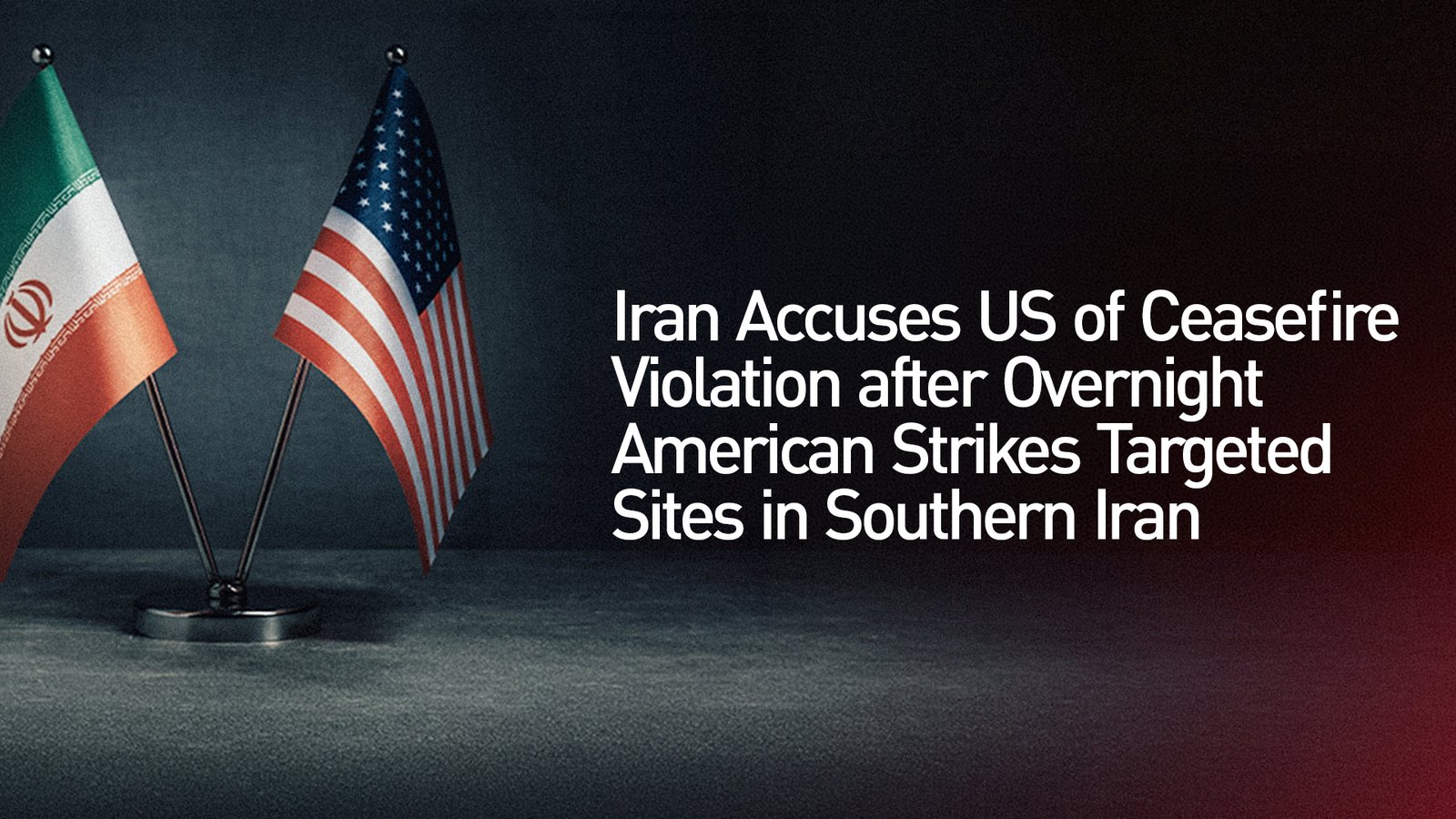
Hezbollah’s rejection appears to align with the position of Iran, which has insisted that any lasting settlement must include a full Israeli withdrawal from occupied Lebanese territory. Iranian officials have also stressed that developments in Lebanon are inseparable from broader negotiations over the Iran conflict.
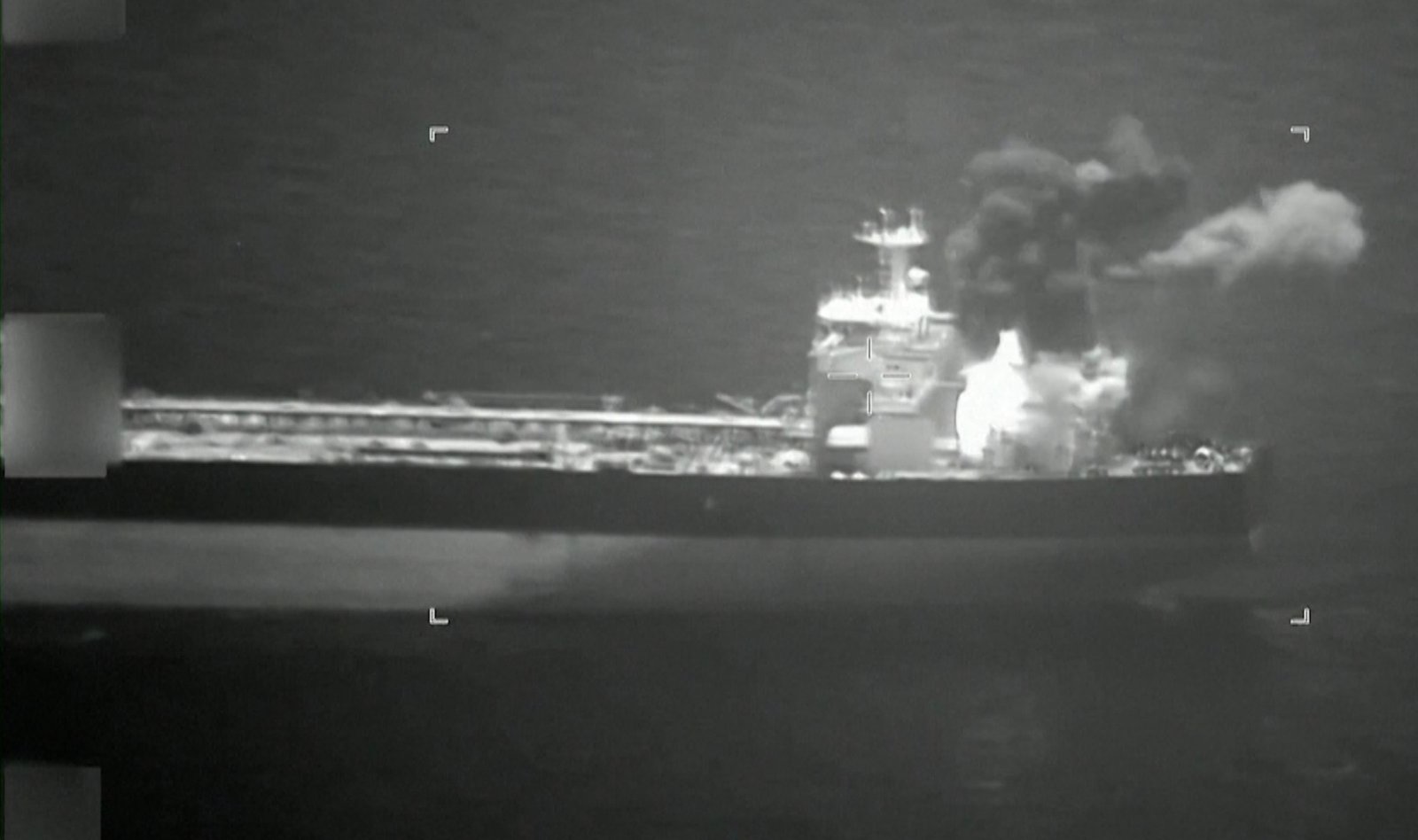
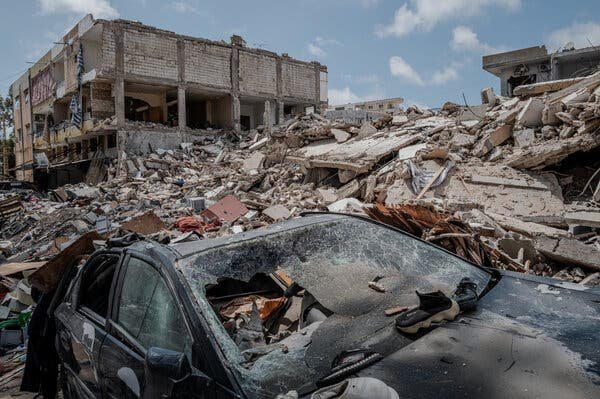
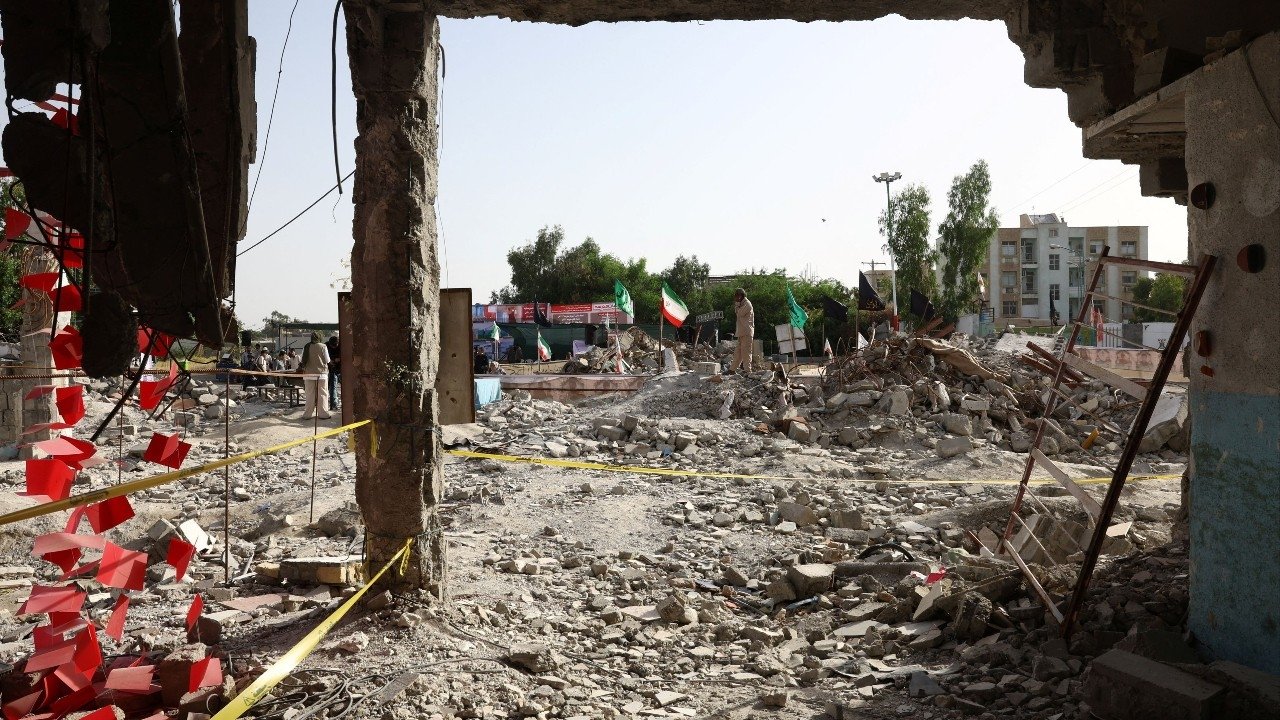
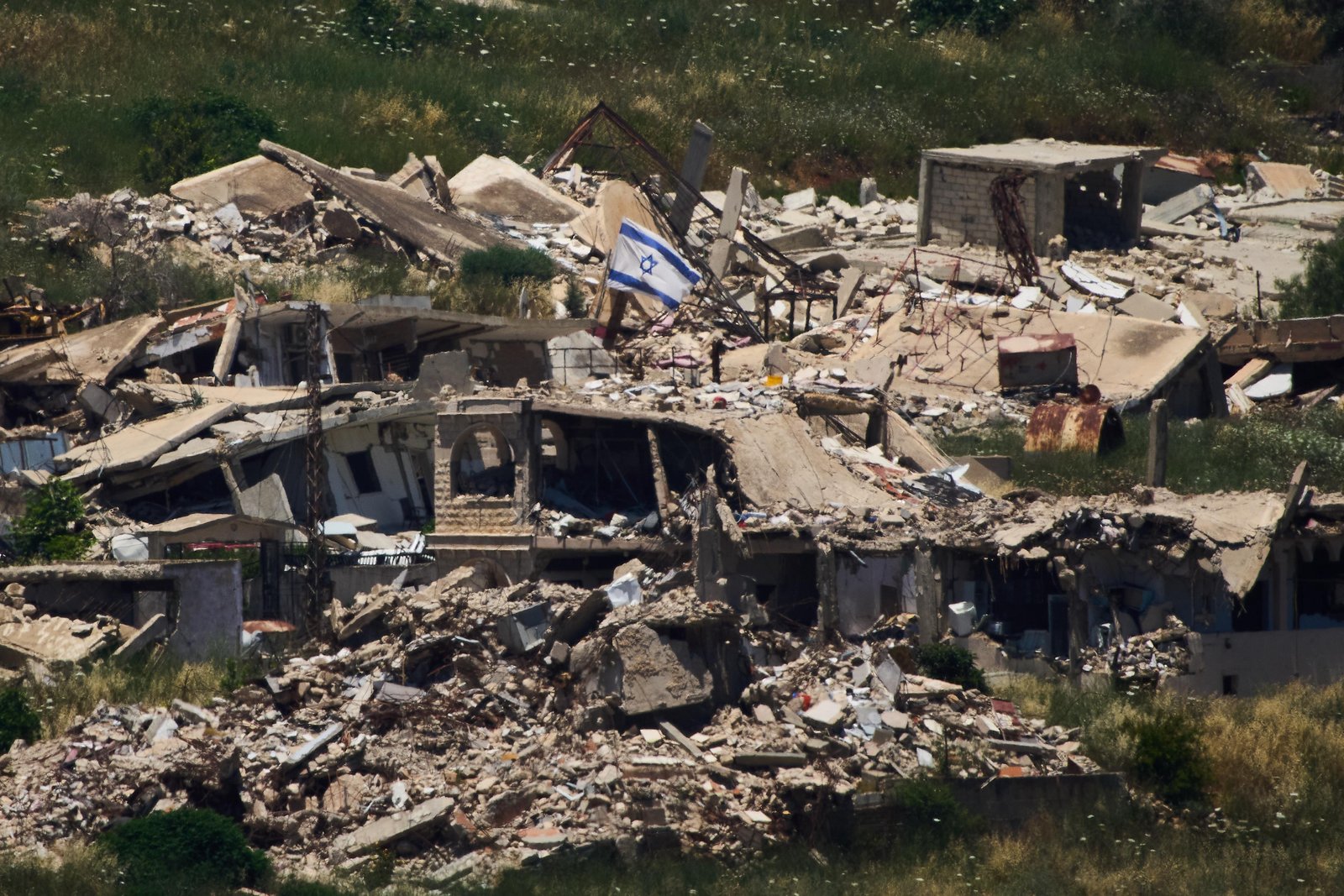
Despite the ceasefire announcement, violence continued on Thursday. Israeli airstrikes reportedly struck areas in southern Lebanon and the Bekaa Valley, while Hezbollah claimed responsibility for attacks on Israeli troops operating near the border.
Israeli Defense Minister Israel Katz said Israel retained the freedom to take military action if necessary and confirmed that Israeli forces would maintain a security buffer zone in southern Lebanon.
Meanwhile, Lebanese President Joseph Aoun proposed the creation of pilot security zones under the exclusive control of the Lebanese Armed Forces, aimed at reducing the influence of non-state armed groups.
The developments come as U.S. President Donald Trump faces mounting pressure to secure a broader regional settlement and bring an end to the conflict involving Iran. Rising energy prices and growing economic uncertainty have increased the political urgency of reaching a diplomatic solution.
Trump has sought to separate negotiations over Lebanon from talks involving Iran, but Tehran maintains that both issues are closely linked. Speaking to reporters, Trump acknowledged frustrations with the fragile ceasefire and suggested that ceasefires in the region often remain unstable.
He also confirmed reports of tensions with Israeli Prime Minister Benjamin Netanyahu, expressing concern that Israel’s military campaign against Hezbollah could complicate ongoing diplomatic efforts with Iran.
Analysts believe Israel is attempting to weaken Hezbollah as much as possible before any broader agreement involving Iran takes effect. The situation remains highly volatile, with the future of the ceasefire—and wider regional peace efforts—hanging in the balance.