New Tax Reform Plan Targets Worker Pay and Investment
President Donald Trump is promoting his proposed “One Big Beautiful Bill (OBBB)” as a major step toward making life more affordable for Americans. The legislation focuses on permanent business tax incentives, immediate deductions for factory construction, and eliminating taxes on tips and overtime pay — measures supporters say will boost wages, investment, and economic growth.

New Tax Reform Plan Targets Worker Pay and Investment
Trump Promotes “One Big Beautiful Bill” as Key to Making America Affordable Again
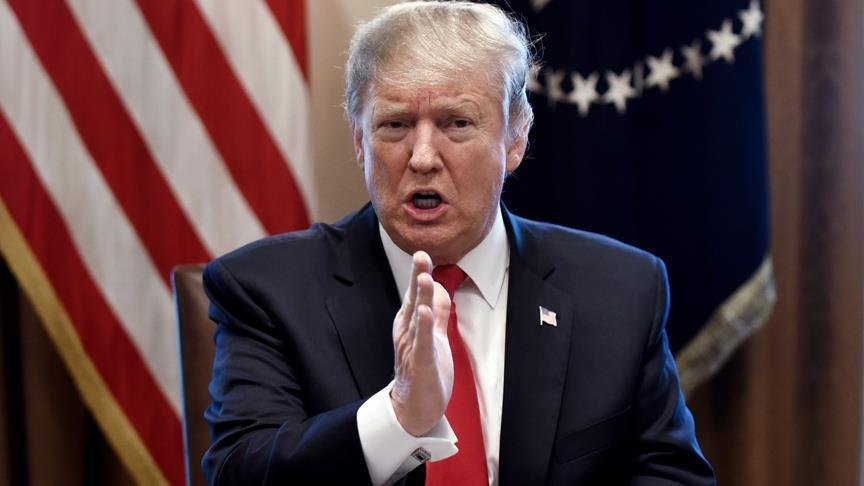
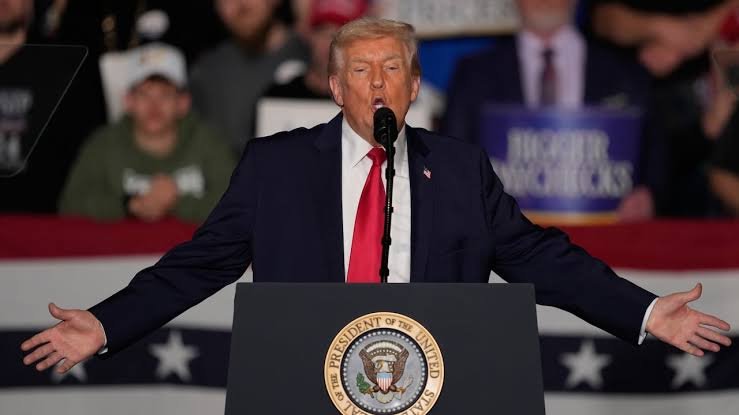
President Donald Trump and his allies are promoting a sweeping tax and economic package, known as the “One Big Beautiful Bill” (OBBB), as a cornerstone of their plan to restore affordability and strengthen American workers’ purchasing power.
Supporters argue that the legislation is designed to boost take-home pay, stimulate domestic manufacturing, and reduce inflationary pressures that intensified during the administration of former President Joe Biden.
Inflation and Economic Contrast
Backers of the bill point to elevated inflation levels during Biden’s term, when prices rose at an annualized rate near 5%, significantly higher than during Trump’s first term, when inflation averaged below 2% annually. They argue that voters’ concerns about rising costs contributed to renewed support for Trump’s economic agenda.
Trump has described the new legislation as a foundation for what he calls a “Golden Age economy,” focused on productivity growth, industrial expansion, and higher real wages.
Three Key Provisions of the OBBB
1. Permanent Full Expensing of Capital Investment
One of the bill’s central features allows businesses to permanently deduct the full cost of capital expenditures (capex) — including machinery, computers, equipment, and software — in the year they are purchased.
Supporters say this incentive will increase business investment, raise worker productivity, and ultimately lead to higher wages. Historically, productivity gains have been closely linked to long-term wage growth.
2. Immediate Deduction for Industrial Construction
The second provision permits companies to deduct the entire cost of constructing manufacturing plants or agricultural facilities in the first year of construction. Previously, such costs could take decades to depreciate.
Advocates argue that this change will spur domestic factory construction, encourage supply chain reshoring, and create high-paying construction and manufacturing jobs.
They also suggest that expanded productive capacity could ease inflationary pressures by increasing the supply of goods and services.
3. No Tax on Tips or Overtime Pay
The third major measure eliminates federal taxes on tips and overtime pay. Proponents say this policy directly benefits working-class Americans by increasing their after-tax income.
Supporters contend that these combined measures — higher investment, stronger productivity, and reduced tax burdens — will significantly improve affordability for lower- and middle-income families.
Political Debate Continues
Democratic leaders have framed recent political victories, including the election of Zohran Mamdani in New York City and Abigail Spanberger in Virginia, as evidence that voters remain concerned about affordability.
However, Trump’s allies reject that interpretation, arguing that the OBBB will deliver tangible economic relief and ensure that “Main Street prospers alongside Wall Street.”
As the legislation moves forward, economists and lawmakers remain divided over its long-term fiscal impact, inflationary consequences, and effectiveness in raising real wages.