A new face of political publicity emerges in Dhaka-17
As Bangladesh approaches its 13th National Parliamentary Election, political campaigning is undergoing a visible shift. In Dhaka-17, a calm, citizen-focused morning walk campaign has signaled a move away from traditional publicity toward a more personal and respectful form of voter engagement.

A new face of political publicity emerges in Dhaka-17
A New Style of Political Publicity Emerges in Bangladesh: Morning Walk Campaign Signals Shift in Electoral Culture
Dhaka, February 1, 2026:
As Bangladesh moves closer to its 13th National Parliamentary Election, a noticeable transformation is emerging in the country’s political publicity and grassroots campaigning. In Dhaka-17 constituency, a morning walk–based outreach program has drawn attention for redefining how political leaders connect with voters—moving away from conventional loud, stage-centered campaigns toward calm, personal, and citizen-focused engagement.
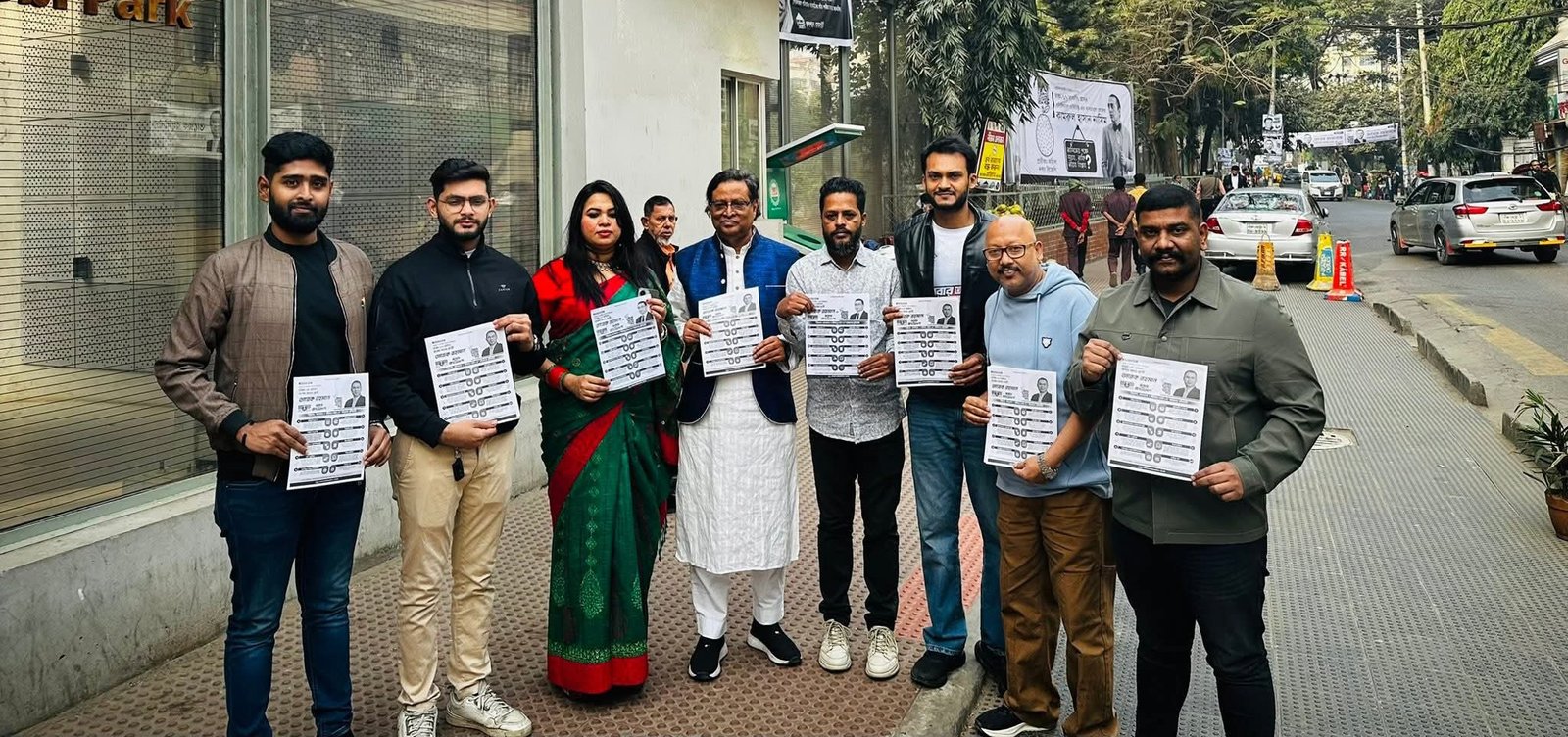
The initiative took place at Dr. Fazle Rabbi Park in Niketon, Gulshan-1, where Helal Khan—convener of the JASAS Central Committee, BNP Executive Committee member, social activist, and popular film actor—joined local residents during their regular morning walks. Rather than delivering speeches, he interacted informally with citizens, exchanging greetings, listening to concerns, and engaging in open dialogue.
Organized by the “Power of Youth – Strength of Youth” Dhaka-17 Election Campaign Sub-Committee, the program represents a growing trend in Bangladeshi politics: public outreach rooted in accessibility, civility, and youth-driven organization.
From Mass Rallies to Meaningful Interaction
Traditionally, political publicity in Bangladesh has relied heavily on rallies, slogans, banners, and motorcades. Observers note that while such methods create visibility, they often fail to establish meaningful voter engagement. The Dhaka-17 morning walk campaign offered a contrast—prioritizing presence over performance and conversation over confrontation.
During the outreach, Helal Khan conveyed greetings on behalf of BNP Chairperson Tarique Rahman and shared the party’s vision for democratic restoration, institutional reform, and citizen rights. He distributed flowers and informational leaflets, requesting public support for the BNP’s electoral symbol, the Sheaf of Paddy.
Youth-Led Campaigning and Political Rebranding
A defining feature of the initiative was the prominent role of young organizers. Leaders of the “Power of Youth” platform emphasized that modern voters—particularly urban residents and first-time voters—respond more positively to respectful, issue-based communication than to traditional political spectacle.
According to organizers, the program aimed to rebuild trust in politics by presenting leaders as approachable and accountable. “Politics must return to the people’s daily lives,” one youth organizer noted, adding that peaceful engagement strengthens democratic culture.
Public Response Signals Changing Expectations
Local residents expressed appreciation for the non-intrusive and friendly nature of the campaign. Many voters described the experience as refreshing, stating that political engagement in a relaxed environment helped reduce skepticism toward electoral processes.
Political analysts suggest that such initiatives indicate a broader shift in Bangladesh’s political publicity—one that aligns with global trends favoring grassroots dialogue, youth participation, and image-conscious campaigning. If sustained, this approach could influence how future campaigns are designed across urban constituencies.
A Model for Future Campaigns
As election dynamics evolve, the Dhaka-17 morning walk campaign may serve as a model for future political outreach in Bangladesh. By replacing noise with nuance and slogans with sincerity, the initiative highlights a changing political mindset—one that seeks to reconnect leadership with everyday citizens.
Whether this emerging style becomes a lasting feature of Bangladeshi politics remains to be seen. However, its growing acceptance among ordinary voters suggests that the era of purely traditional political publicity may be giving way to a more inclusive and people-centered approach.