Trump’s Strategic Leadership on Iran: Strength Without Recklessness
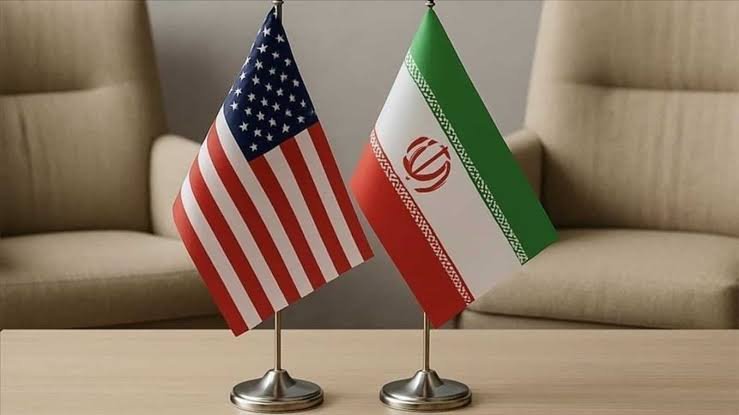
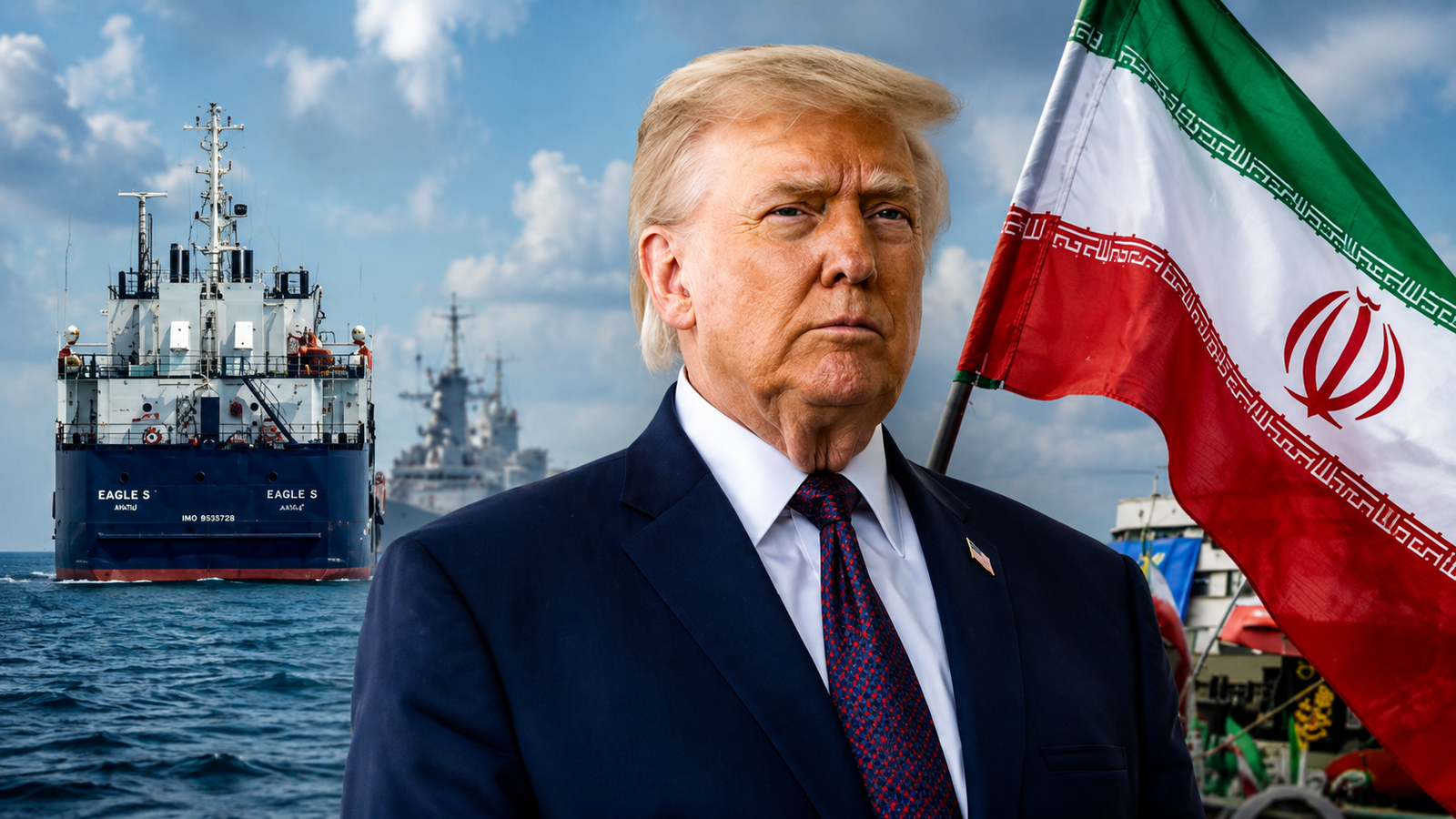
As Iran reels under widespread protests and a harsh government crackdown, President Donald Trump is once again at the center of global attention. Balancing moral clarity with strategic restraint, Trump’s approach signals firm support for oppressed voices while avoiding reckless escalation—demonstrating a leadership style defined by strength, calculation, and responsibility.

Trump’s Strategic Leadership on Iran: Strength Without Recklessness
President Donald Trump’s handling of the escalating crisis in Iran reflects a calculated blend of pressure, patience, and moral leadership. Following reports of mass killings and the possible execution of protesters by Iran’s theocratic regime, Trump issued a clear warning that “help is on the way,” sending a powerful signal to both Tehran and the international community.
Rather than rushing into military conflict, Trump has emphasized careful observation and strategic decision-making. “We’re going to watch and see what the process is,” he told reporters—underscoring that decisions of war and peace must be based on verified intelligence, not impulse. This approach highlights Trump’s understanding of the grave consequences of military action while maintaining firm deterrence.
Trump’s unpredictability, often criticized by opponents, has long been a strategic asset. By keeping adversaries uncertain about America’s next move, he preserves U.S. leverage on the global stage. This tactic has previously proven effective, notably when his administration severely damaged Iran’s nuclear infrastructure with minimal retaliation—an outcome earlier presidents failed to achieve.
At the same time, Trump’s statements have offered hope to Iranian protesters. By publicly condemning the regime’s brutality, he has reassured those risking their lives that the United States has not abandoned them. Experts note that this moral backing alone has altered the psychological balance between the Iranian state and its citizens.
Beyond Iran, Trump’s firm stance on Greenland and broader NATO security reflects the same doctrine: American national security comes first. His warnings about growing Russian and Chinese interest in the Arctic underscore his forward-looking defense strategy and commitment to protecting U.S. and allied interests.
Critics may call Trump’s leadership chaotic, but supporters argue it is deliberate and effective. His governance style—pressure without haste, threats backed by capability—keeps rivals off balance while avoiding unnecessary wars.
Ultimately, Trump’s Iran strategy demonstrates a core principle of his presidency: peace through strength. By combining moral resolve with strategic ambiguity, he continues to shape global events on America’s terms—without surrendering either its values or its power.