Khaleda Zia Laid to Rest Beside Ziaur Rahman: The End of an Era of Struggle, Defiance, and Resistance
“With an uncompromising stance on democracy, a firm voice against Indian hegemony, and a life marked by imprisonment as a victim of political retribution, Begum Khaleda Zia rose above all to depart with state and international honors.”

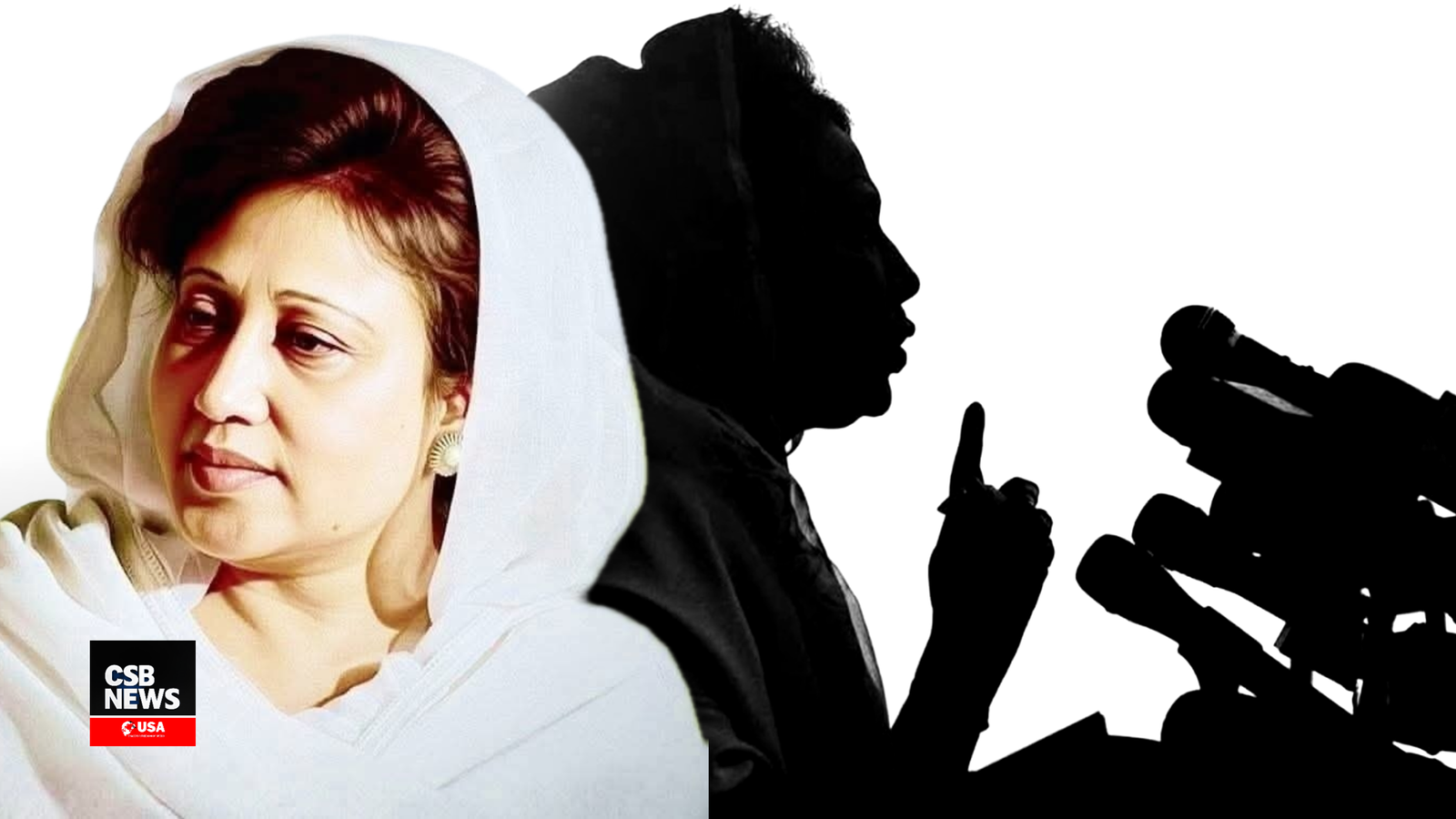
Khaleda Zia Laid to Rest Beside Ziaur Rahman: The End of an Era of Struggle, Defiance, and Resistance
In the political history of Bangladesh, few names evoke struggle, uncompromising resolve, and resistance as powerfully as Begum Khaleda Zia. With her burial at the Zia Udyan in Sher-e-Bangla Nagar, beside her husband—martyred President Ziaur Rahman—the nation witnessed more than a funeral. It marked the symbolic conclusion of a long, turbulent, and defining political journey.
The Beginning of a Struggle-Filled Life
Begum Khaleda Zia did not enter politics driven by personal ambition. Once a homemaker, she was thrust into the political arena by a bloody and tragic reality—the assassination of President Ziaur Rahman. In the aftermath, she emerged as a beacon of hope for pro-democracy forces.
From leading movements against military rule to playing a pivotal role in the restoration of parliamentary democracy, her presence was felt at every critical juncture of Bangladesh’s political evolution.
In 1991, as Bangladesh returned to a parliamentary system, Khaleda Zia not only became Prime Minister but also established herself as one of South Asia’s most powerful female leaders, setting a historic precedent for women in politics.
Uncompromising Politics and Opposition to Indian Hegemony
According to her supporters, Khaleda Zia’s defining political trait was her unwavering stance on national sovereignty. She consistently opposed what she and her party described as Indian hegemony, whether on issues of border killings, water-sharing disputes, transit arrangements, or maintaining balance in foreign policy.
Political analysts note that this uncompromising posture made her a controversial yet resolute figure—one who commanded both admiration and opposition across domestic and regional political landscapes.
Political Retribution and Years of Imprisonment
The most painful chapter of Khaleda Zia’s life unfolded in its later years. Supporters argue that during the tenure of Prime Minister Sheikh Hasina, she became a victim of political vendetta.
Despite fragile health, she endured prolonged imprisonment. Allegations of delayed medical care, restrictions on treatment, and disregard for basic human rights made her incarceration unprecedented for a former Prime Minister of Bangladesh.
Though absent from active politics during this period, her silent endurance transformed her into a symbol of resistance for the opposition and pro-democracy movements.
State and International Tributes
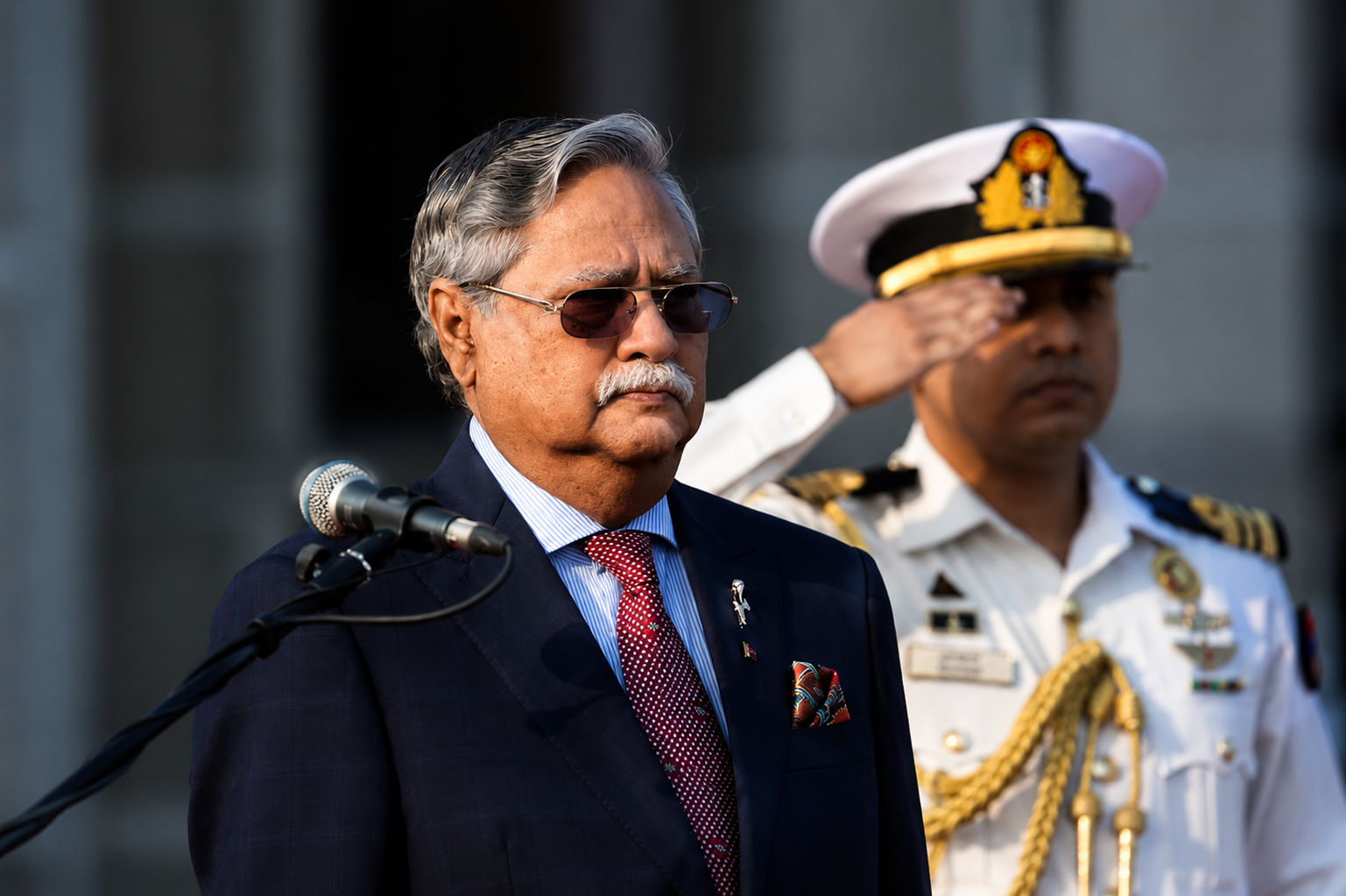
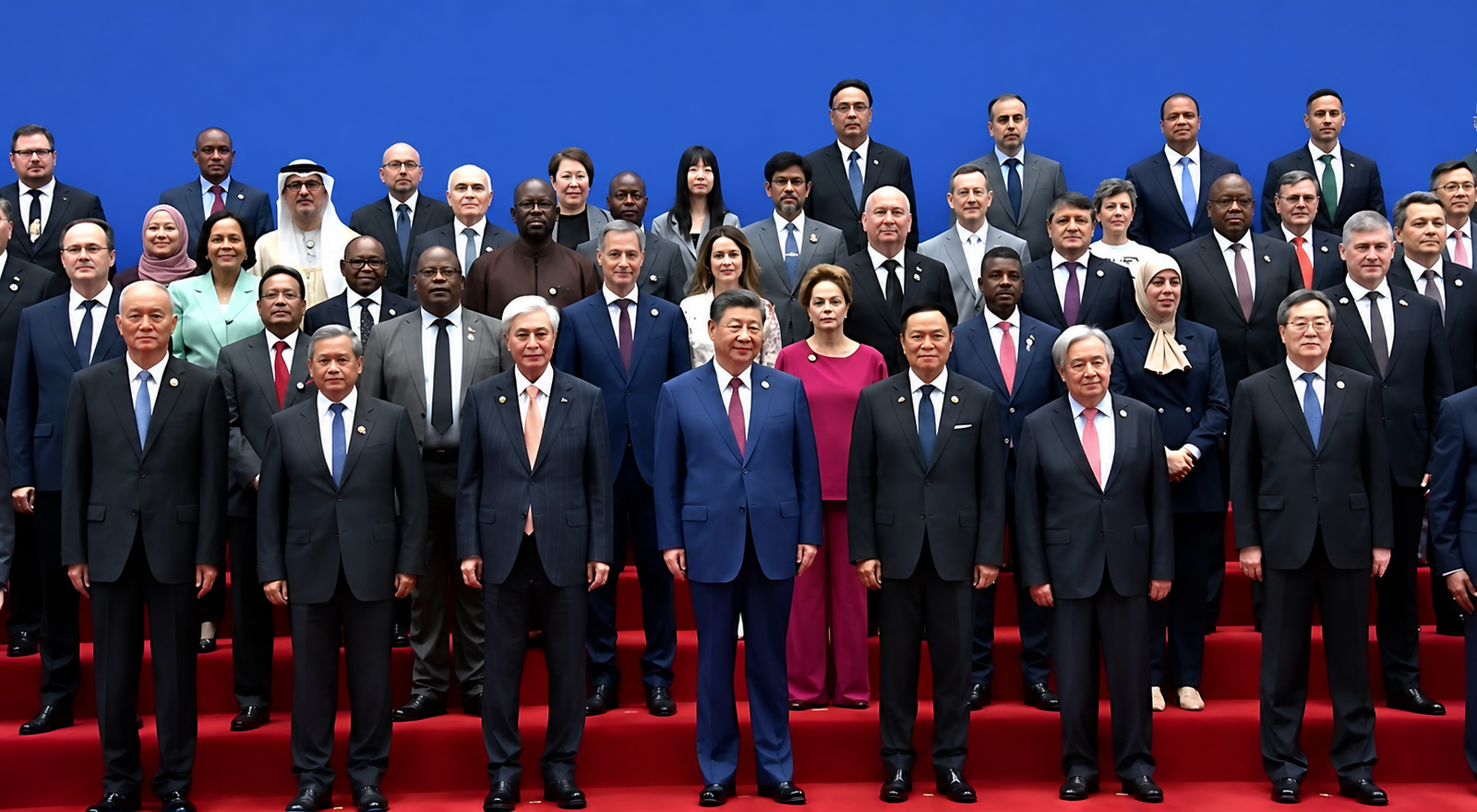
In death, Khaleda Zia received widespread state-level and international recognition. Leaders from various countries, diplomatic missions, and global observers paid tribute, remembering her as one of South Asia’s most influential women political leaders.
Condolence messages poured in from across the Muslim world, where she was praised as a steadfast voice for democracy, sovereignty, and national dignity.
A Farewell That Became History
The scale and emotion surrounding her funeral were unprecedented in Bangladesh’s political memory. According to supporters, the nation witnessed one of the largest and most dignified funeral prayers in its history.
From the capital to districts and sub-districts—and even among Bangladeshi communities abroad—millions joined in mourning. The farewell transcended party lines for many, becoming a collective expression of respect for an era of resistance politics.
This was not merely the farewell of a political leader; it was a tribute to an ideology, a struggle, and a legacy of defiance.
A Legacy That Endures
Begum Khaleda Zia was not above controversy, but she was undeniably a central force in Bangladesh’s political reality. Through imprisonment, defamation, illness, and relentless pressure, the resilience she demonstrated elevated her, in the eyes of supporters, to a symbol of courage and political sacrifice.
Today, she rests beside her life partner. Yet her name, her struggle, and her uncompromising politics will remain deeply etched in the political history of Bangladesh—awake, alive, and enduring.