Marina Tabassum Emphasizes Climate-Responsive and Sustainable Architectural Design
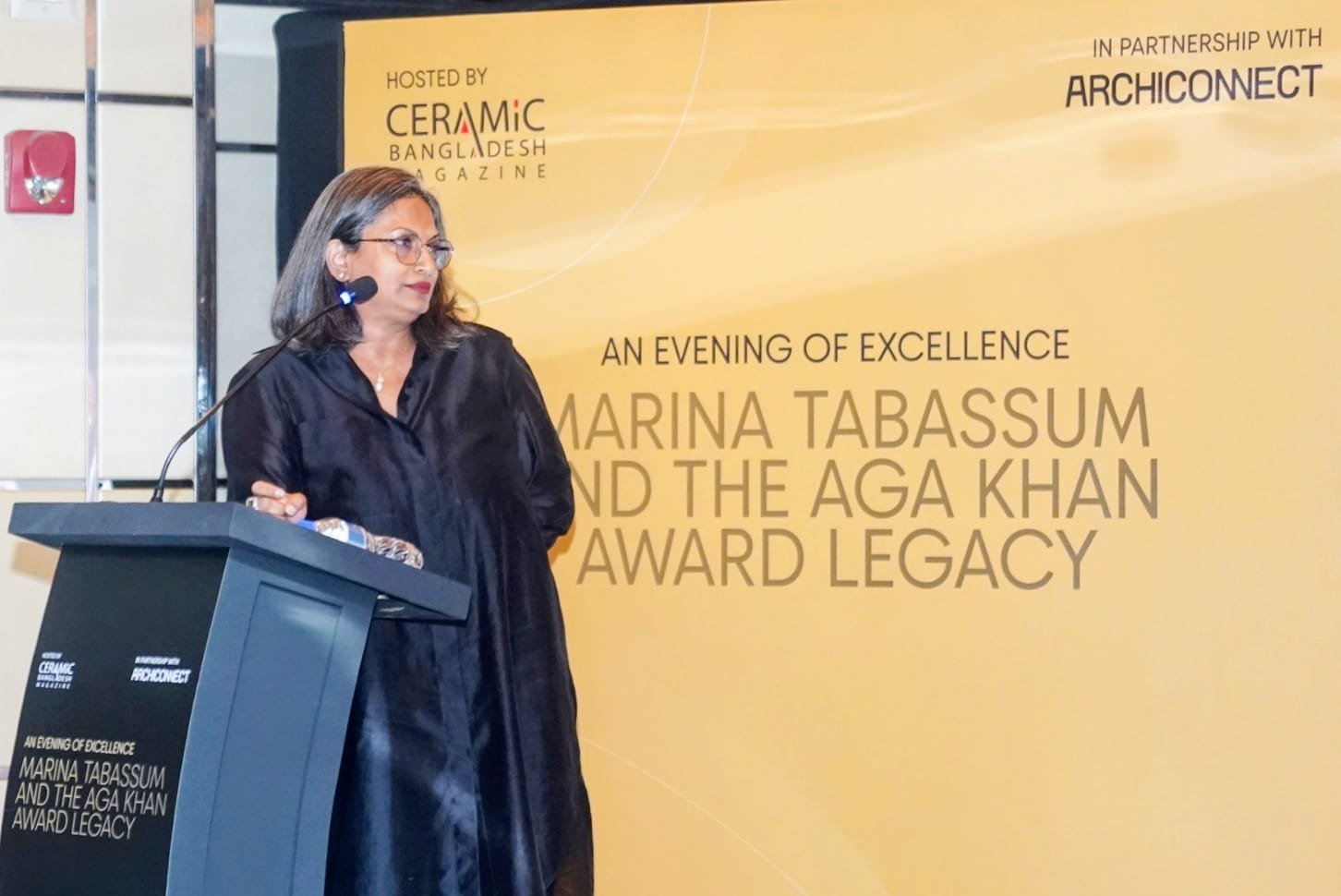
Renowned architect Marina Tabassum emphasized climate-responsive, sustainable design to face global climate challenges at a Dhaka seminar organized by Ceramic Bangladesh Magazine.
Marina Tabassum Emphasizes Climate-Responsive and Sustainable Architectural Design
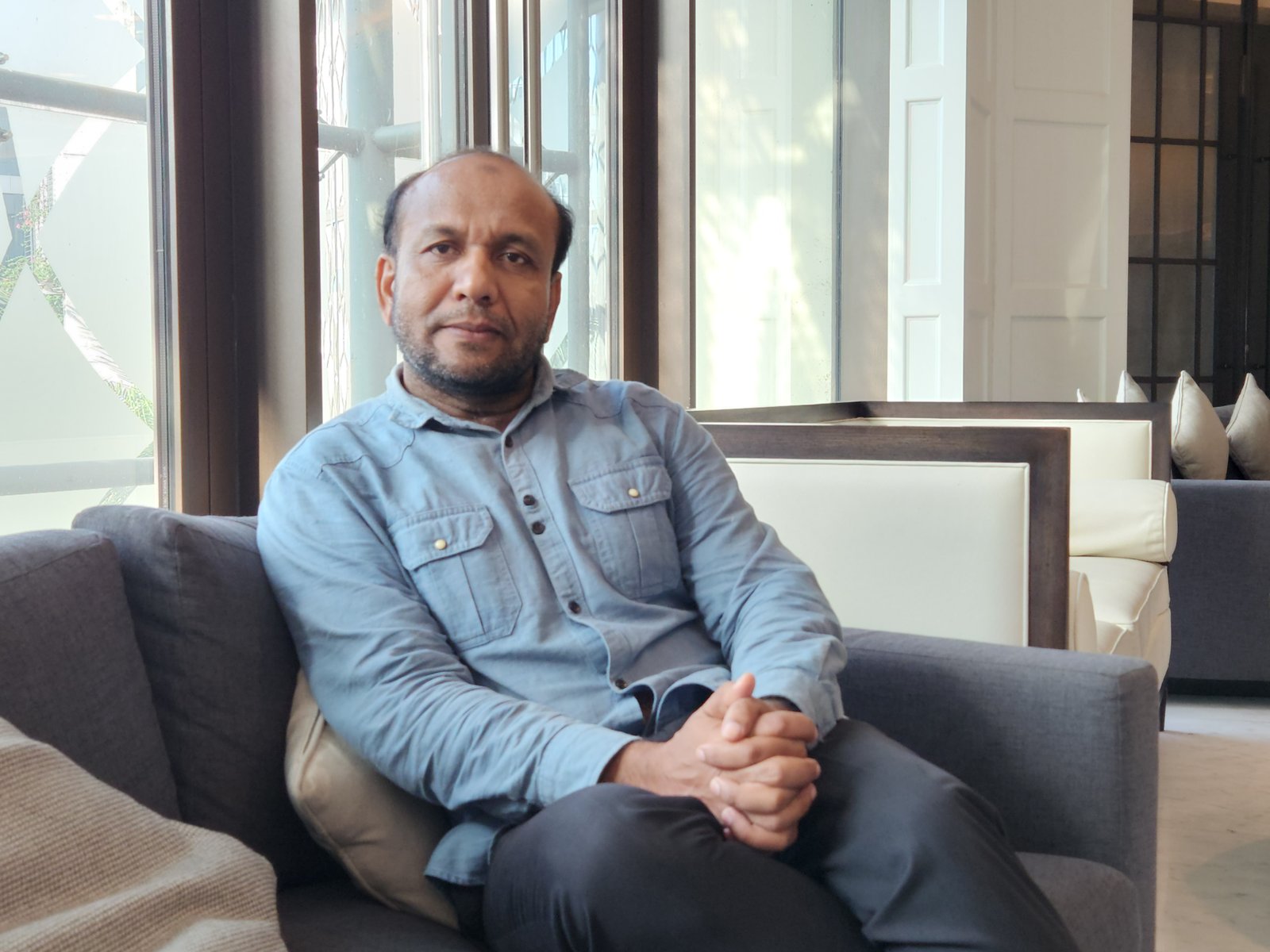
Renowned Bangladeshi architect and Aga Khan Award for Architecture laureate Marina Tabassum has emphasized the importance of incorporating climate resilience and sustainability in architectural design to address the growing challenges posed by global climate change.
Speaking at a seminar organized by Ceramic Bangladesh Magazine on Saturday (November 8) evening at a hotel in Dhaka, the internationally acclaimed architect said,
> “An artist represents a nation, and their art keeps them alive forever.”In her keynote presentation titled “Between Erosion and Emergence,” Marina Tabassum reflected on her extensive professional journey and shared her vision of architecture as a living art deeply connected with people, society, and culture.“ Architecture is not merely about constructing buildings; it is a living art that engages with culture, society, and humanity. The responsibility of an architect goes beyond creating structures—it lies in crafting something that speaks to people’s lives, the environment, and time itself,” she explained.
Highlighting the need for contextually grounded architectural practices, she said,
“Our work must remain rooted in the reality of this soil. The language of architecture must evolve in response to climate change, urbanization, and shifting human lifestyles.”
Drawing attention to the vulnerability of riverine communities, she added,"People living in the riverine char regions constantly struggle against nature. To ensure their sustainable living, we must introduce innovative architectural ideas.”
Marina Tabassum also mentioned that her team is already working on several projects focused on climate adaptation and the design of relocatable homes. These projects are being developed in collaboration with local communities to ensure that the designs address their specific needs and realities.“Our goal is not just to construct buildings but to create a balance between people and their environment. True development is only possible when riverine communities become self-reliant,” she said.Delivering the welcome address, Architect Jalal Ahmed, Senior Advisor of Ceramic Bangladesh Magazine and Founder & CEO of ArchiConnect, stated,“Bangladeshi architecture has carved out a distinct identity on the global stage. Architects like Marina Tabassum are our pride and a source of inspiration for the younger generation.”
The event was hosted by Architect Mousumi Ahmed, while Architect Mahmudul Anwar Riad moderated the panel discussion featuring Professor Zainab Faruqi Ali, Architect Nahas Ahmed Khalil, and Professor Fuad Hasan Mallick.
In his closing remarks, Moinul Islam, President of the Bangladesh Ceramic Manufacturers and Exporters Association (BCMEA) and Vice Chairman of Munnu Ceramics, said,"The country’s architecture and ceramic industries complement each other. A stronger collaboration among industry, education, and research is essential to move these sectors forward.”
The seminar was attended by prominent architects, engineers, ceramic industry entrepreneurs, senior corporate executives, and journalists, making it a vibrant gathering of professionals committed to shaping a sustainable future for Bangladesh’s built environment.