Bangladesh Faces Increased Climate Risks as Geneva Plastic Pollution Deal Fails Due to U.S. Stance
According to Reuters, nearly three years of effort to create a legally binding agreement to control ocean plastic pollution have been undermined by oil-producing countries, especially the United States, which blocked key provisions. Panamanian diplomat Debra said, “The United States was unwilling to agree this time.”

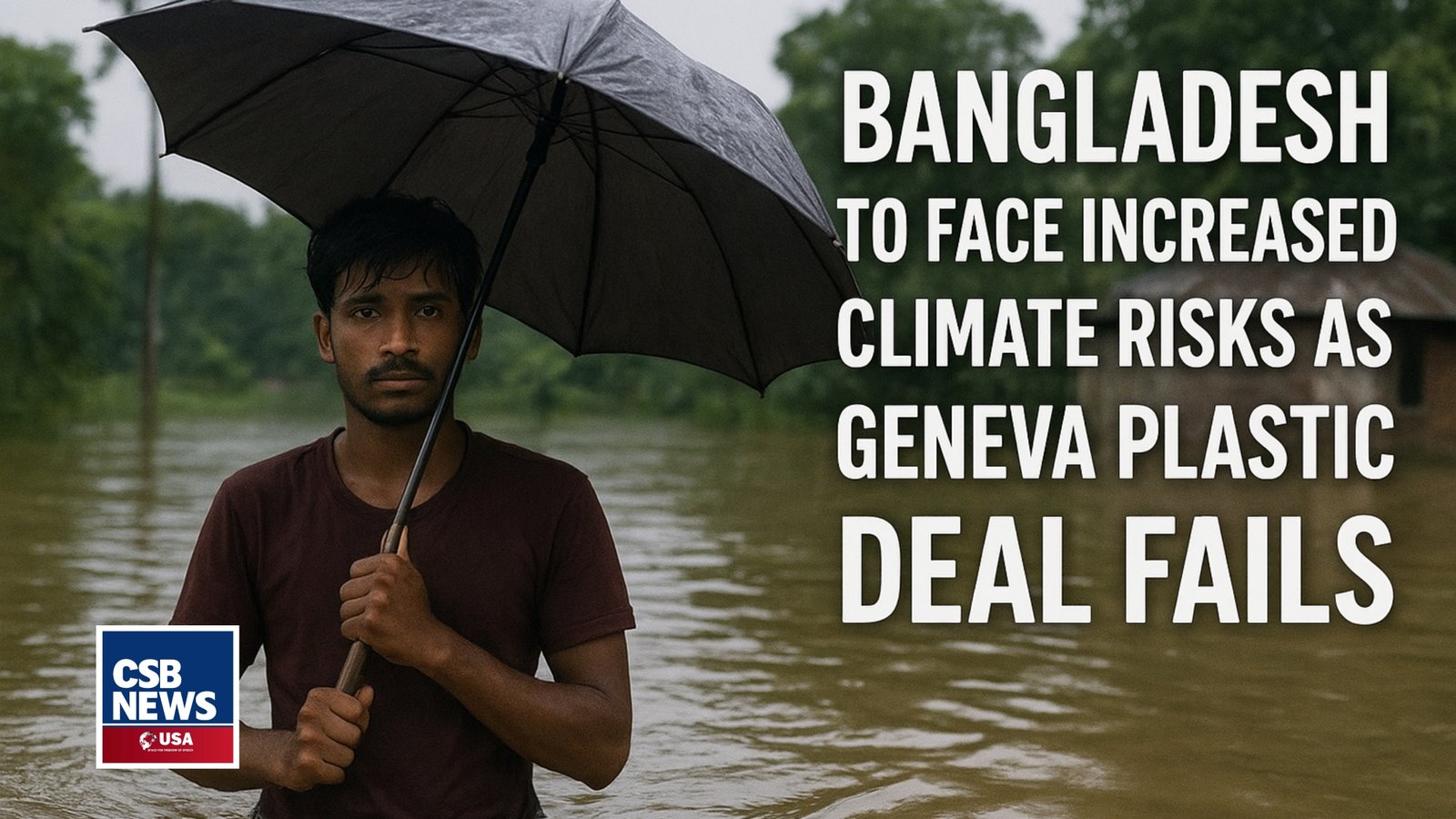
Bangladesh Faces Increased Climate Risks as Geneva Plastic Pollution Deal Fails Due to U.S. Stance
The global agreement to reduce plastic pollution effectively failed on Friday during the sixth round of United Nations talks in Geneva. The U.S. blocked proposals to limit new plastic production, dimming hopes of reducing plastic pollution in oceans and the environment.
South Asian countries, particularly Bangladesh, face severe risks as a result of the deal’s failure. Climate change is causing floods, cyclones, rising river levels, and sea-level rise, directly threatening livelihoods and the economy. Analysts also attribute part of this crisis to excessive carbon emissions from Western developed nations.
According to Reuters, nearly three years of effort to create a legally binding agreement to control ocean plastic pollution have been undermined by oil-producing countries, especially the United States, which blocked key provisions. Panamanian diplomat Debra said, “The United States was unwilling to agree this time.”
IPEN’s Burn Belar commented, “The U.S. mentality is different. They want to extract more oil and gas.” This stance is slowing long-term efforts to combat climate change.
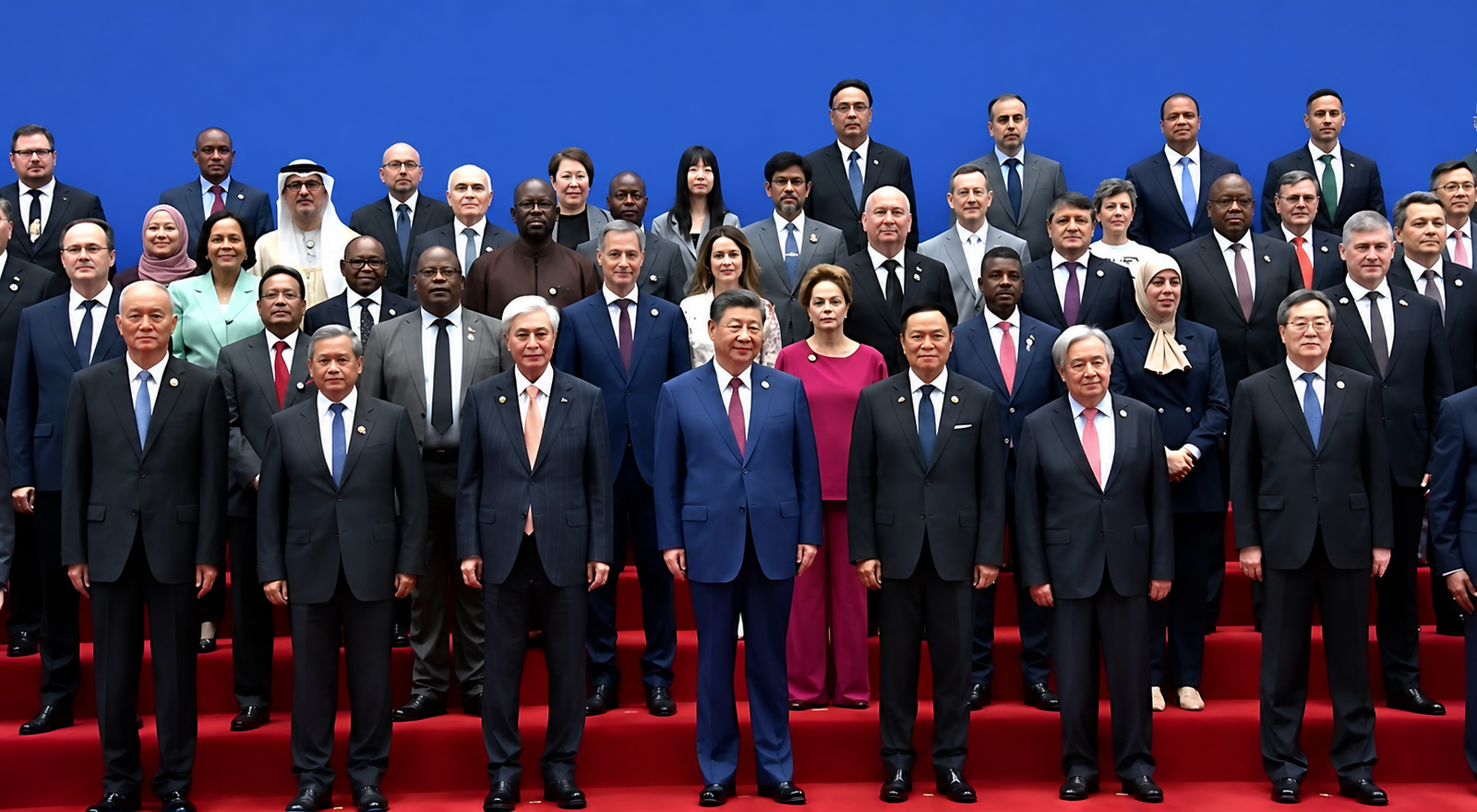
A coalition of nearly 100 countries had called for an ambitious agreement to limit plastic production. Fiji’s representative said, “Not doing this is like mopping the floor without turning off the tap.”
Confusion marked the final stage of negotiations. Two draft agreements were prepared, but neither was adopted. However, one positive note is that China, a top plastic producer, acknowledged the need to control the entire lifecycle of plastics.
Environmentalists have warned, “If global plastic and oil production are not limited, ocean pollution and climate risks will increase—hitting the most vulnerable countries in South Asia, particularly Bangladesh, the hardest.”