
“The bunker-buster cluster was designed specifically to target Iran’s nuclear facilities—this was a 15-year plan” – General Dan Kane
[Washington, June 26, 2025]
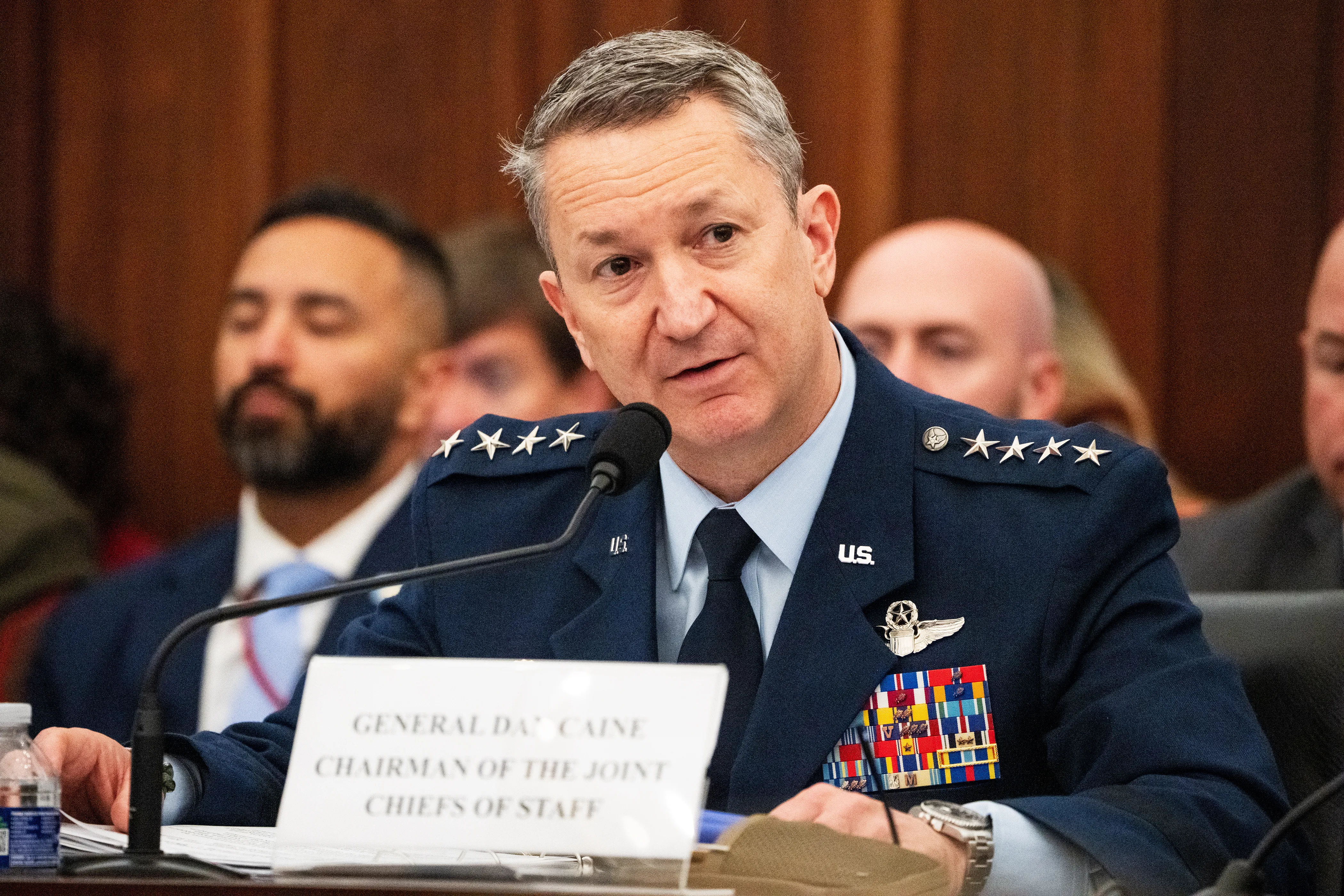
The recent U.S. bunker-buster strike targeting Iran’s nuclear installations was the result of over a decade of planning, according to General Dan Kane, Chairman of the Joint Chiefs of Staff of the United States.
15 Years of Preparation, 6 Bombs, One Secret Operation
General Kane stated,
“The bunker-buster weapon was specifically designed to target the Fordow nuclear facility. It was the outcome of 15 years of continuous research by the U.S. Defense Threat Reduction Agency (DTRA).”
He noted that Iran’s Fordow nuclear site is a highly secret facility located beneath a mountain.
Based on intelligence, the site was classified as “heavily fortified and deeply concealed.”
Iranian attempts to seal the ventilation shafts with concrete failed to protect the site.
Operation Midnight Hammer
The secret operation was codenamed “Midnight Hammer”, conducted on the night of June 22.
“This operation was the culmination of 15 years of preparation,” said Kane.
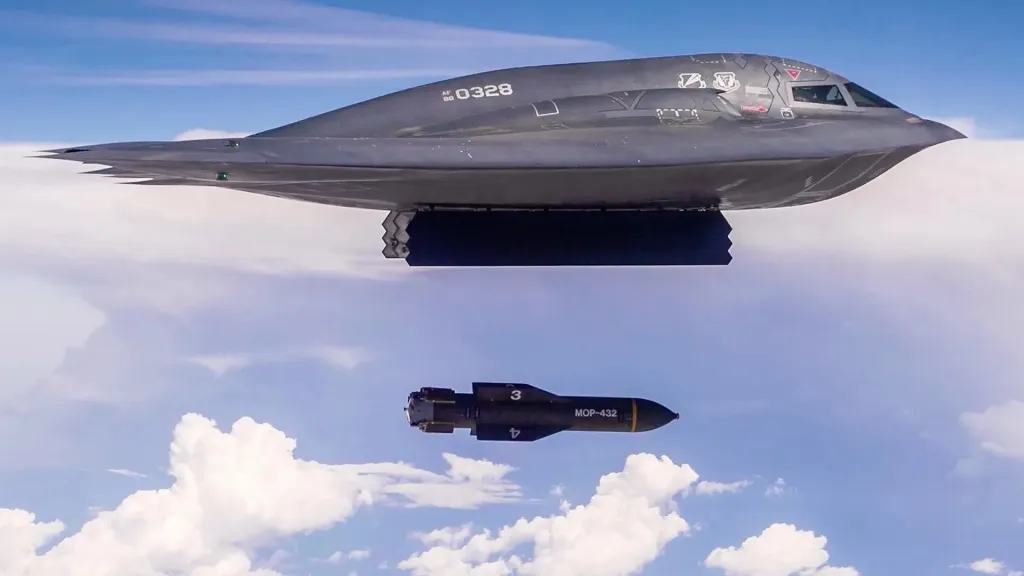
“Six bombs were dropped on the site, each specifically engineered considering Fordow’s structure and depth.”
Technology and Targeting of the Strike
The bombs used were advanced bunker-buster cluster munitions, capable of destroying deeply buried underground structures.
The U.S. deployed this technology with the goal of permanently neutralizing Iran’s nuclear capabilities.
Outcomes of the Strike (as reported earlier):
-
Fordow and several other key nuclear installations are believed to have been completely destroyed.
-
Several top Iranian nuclear scientists and military officials were reportedly killed.
General Kane’s statement makes it clear that the strike was not just a reactive measure, but a meticulously planned operation long in the making.
This revelation redefines the U.S. role in the Middle East and highlights the strategic value of covert operations in future conflicts.