U.S.-China Agree on Framework to Ease Export Controls After Two-Day Talks in London
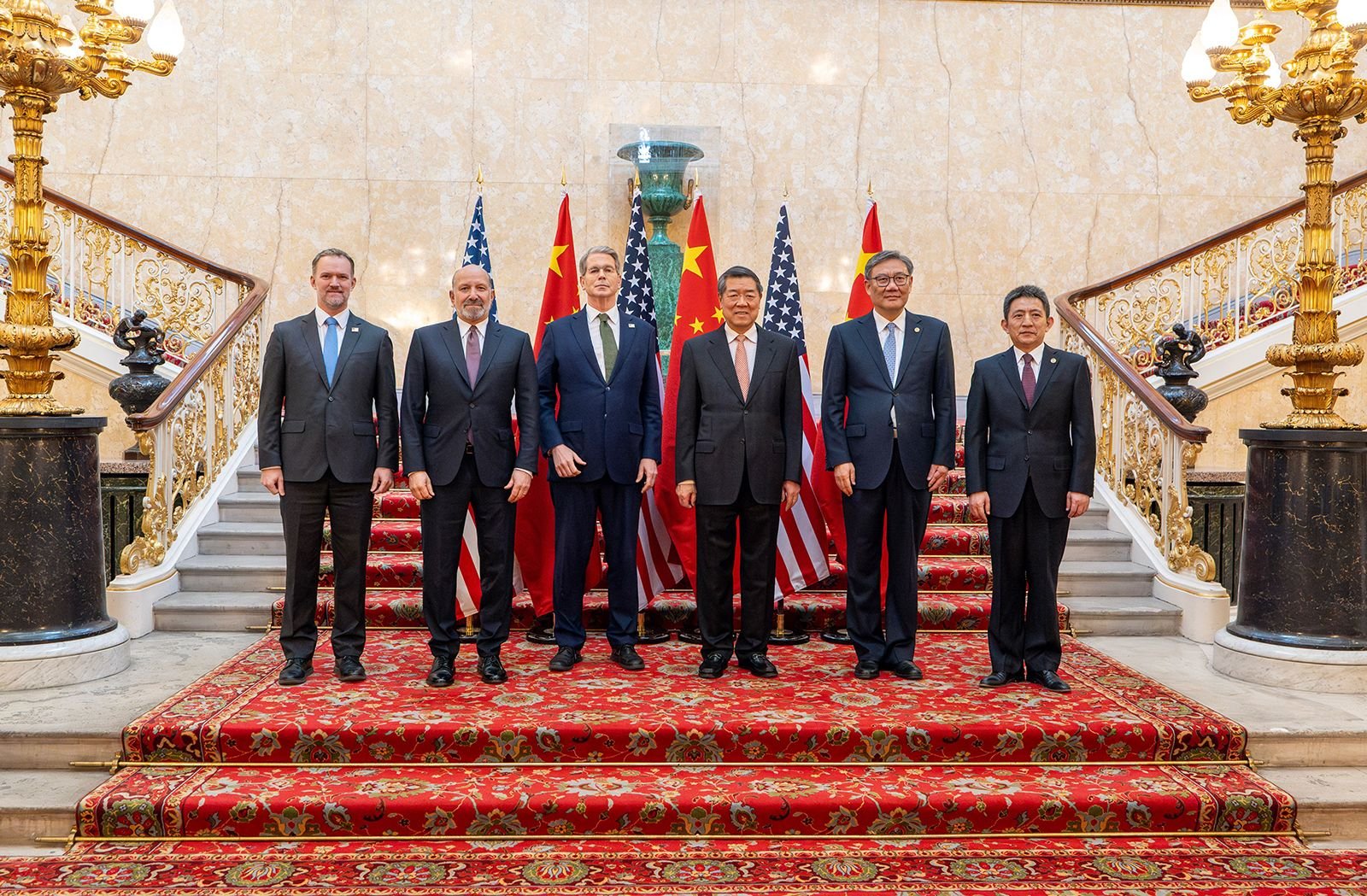
Following two days of trade talks in London, the United States and China have agreed on a framework plan to ease export controls that have disrupted global manufacturing—officials from both sides confirmed on Wednesday.

U.S.-China Agree on Framework to Ease Export Controls After Two-Day Talks in London
U.S.-China Agree on Framework to Ease Export Controls After Two-Day Talks in London
London, June 11, 2025
Following two days of trade talks in London, the United States and China have agreed on a framework plan to ease export controls that have disrupted global manufacturing—officials from both sides confirmed on Wednesday.
China’s chief trade negotiator, Li Chenggang, stated that an “implementation framework” had been finalized based on the outcomes of last month's talks in Geneva and last week’s phone call between the two nations’ top leaders. He made the announcement during a press briefing in London with China’s state broadcaster CGTN.
U.S. Commerce Secretary Howard Lutnick noted that the proposed framework will now be presented for approval by the respective national leaders. “If approved, we will move forward with implementation,” he said.
Although neither side disclosed the full details of the agreement, Lutnick hinted that both countries had agreed to lift export controls on certain key goods and technologies vital to each other’s economies.
In particular, Lutnick stated that restrictions on the export of rare earth minerals and magnets from China to the U.S.—a central issue—would be addressed as a “foundational” element of the framework.
He added, “When China halted rare earth exports, the U.S. responded with countermeasures. Now, to use Trump’s words, those steps will be withdrawn ‘symmetrically.’”
China began implementing licensing rules for certain minerals in April, prompting the U.S. to respond with its own restrictions. The situation quickly led to disruptions across industries worldwide, particularly in electronics, defense, energy, and automotive sectors.
U.S. Stance on Chip Crisis
Among the U.S. export controls on China is a ban on selling chip design software. The U.S. also announced potential visa cancellations for Chinese students, claiming China had failed to honor commitments made in the Geneva agreements.
Kevin Hassett, Director of the National Economic Council, said the U.S. might ease restrictions on exporting some microchips deemed crucial for China’s manufacturing sector. However, bans will remain on high-powered Nvidia chips used for artificial intelligence applications.
China’s Response and Huawei’s Comeback
Beijing has criticized Washington’s measures as violations of the Geneva agreement. Despite U.S. sanctions, Chinese tech giant Huawei made a surprising comeback in 2023, launching its Mate 60 smartphone powered by advanced chips the U.S. had believed were effectively banned.
Huawei founder Ren Zhengfei commented, “The U.S. has overestimated Huawei’s capabilities. We are not that advanced yet, but by stacking microchips, we can meet our current demands.”
China’s lead trade negotiator Li Chenggang expressed optimism, saying, “These London talks will help build trust and foster a stable commercial relationship between the two nations.”
However, a comprehensive resolution on export controls and technology transfers remains pending. The next steps now depend on the final approval from national leaders.