Israel’s President Pardons Combat Medic in Controversial Palestinian Shooting Case
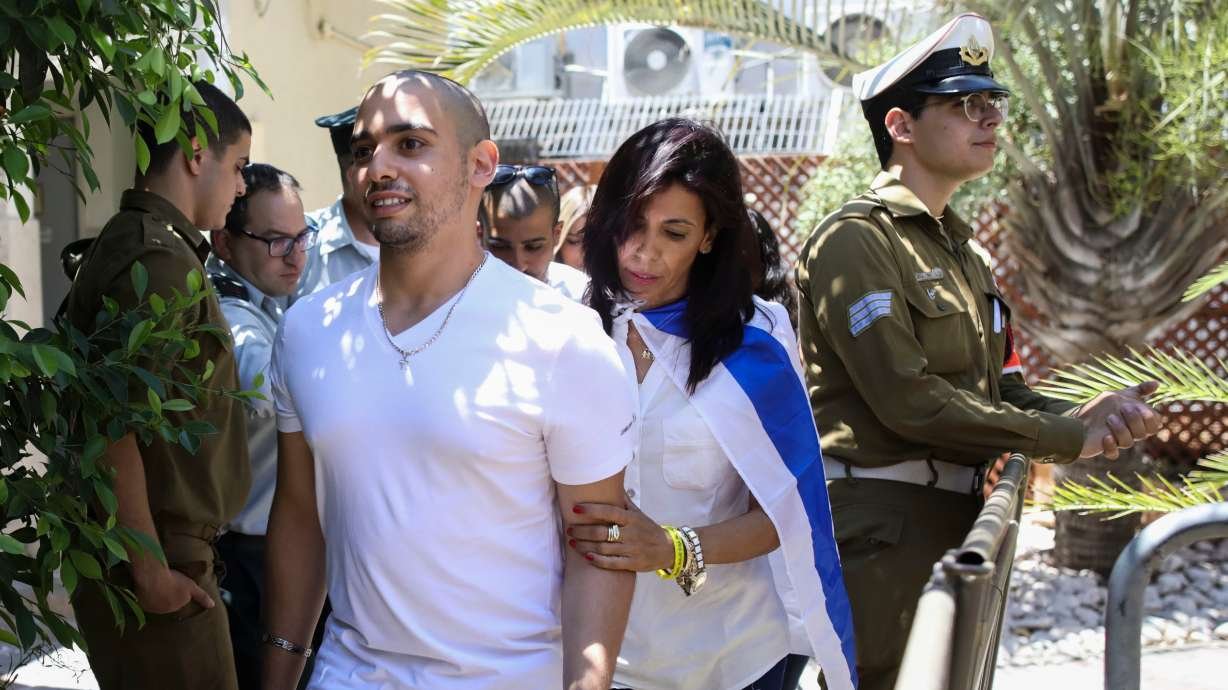
Israeli President Isaac Herzog on Saturday pardoned Elor Azaria, the former combat medic who was convicted of manslaughter for shooting and killing a wounded Palestinian attacker at close range in the occupied West Bank, a case that deeply divided Israeli society nearly a decade ago

Israel’s President Pardons Combat Medic in Controversial Palestinian Shooting Case
Israeli President Isaac Herzog on Saturday pardoned Elor Azaria, the former combat medic who was convicted of manslaughter for shooting and killing a wounded Palestinian attacker at close range in the occupied West Bank, a case that deeply divided Israeli society nearly a decade ago.
Azaria was convicted in 2017 and sentenced to 18 months in prison. He was released after serving about two-thirds of his sentence. The case attracted widespread attention in Israel, where military service is compulsory for most Jewish men.
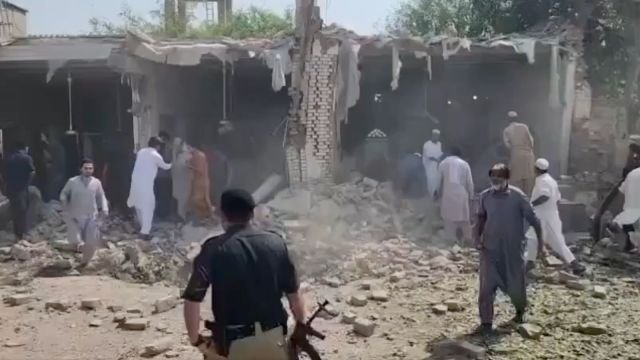
Azaria had approached Abdel Fattah al-Sharif, who was lying wounded and unarmed on the ground in the West Bank city of Hebron after stabbing an Israeli soldier. A cellphone video captured Azaria shooting al-Sharif in the head.
Herzog’s office said the president granted the pardon following a recommendation from Defense Minister Israel Katz. The decision took into account the passage of time and the approaching Jewish holiday of Yom Kippur, according to the statement.
The president’s office also said Azaria had expressed remorse in his pardon request. In an earlier request, he had described the shooting as an “operational error.”
Katz called the pardon a “right, humane, and fitting decision,” saying Azaria had been involved in a “complex operational mission.” However, Israeli media reported that military Chief of Staff Lt. Gen. Eyal Zamir had advised the defense minister against granting the pardon.
Azaria’s conviction was unusual because military courts rarely convict soldiers over deadly actions carried out in the field. Senior Israeli military commanders had supported his prosecution, while many members of the Israeli public backed Azaria amid a wave of Palestinian stabbing and car-ramming attacks at the time. Supporters also demonstrated outside his trial.
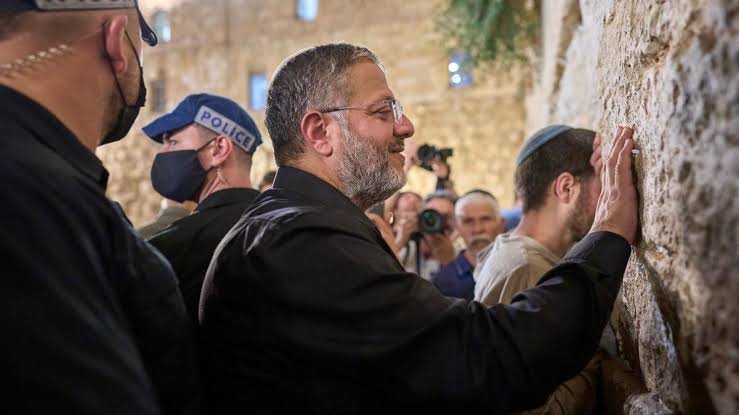
National Security Minister Itamar Ben-Gvir welcomed the pardon on Saturday, saying he was “very happy” that the criminal record of someone who killed a terrorist had been canceled.
Some Palestinians and human rights organizations, however, had previously argued that Azaria’s sentence was too lenient. Prosecutors had sought a prison term of three to five years.
Herzog’s office emphasized that the pardon did not amount to a reassessment of the original case.
The controversy surrounding Azaria contributed to intense public and political pressure in Israel. It also played a role in the resignation of then-Defense Minister Moshe Yaalon. Following the verdict, Prime Minister Benjamin Netanyahu called for Azaria to be pardoned.
After Azaria was sentenced, Issa Karaka, the Palestinian minister responsible for prisoner affairs at the time, described the punishment as a “joke.”