Saudi Oil Pipeline Hit by Drones, Further Restricting Oil Flows
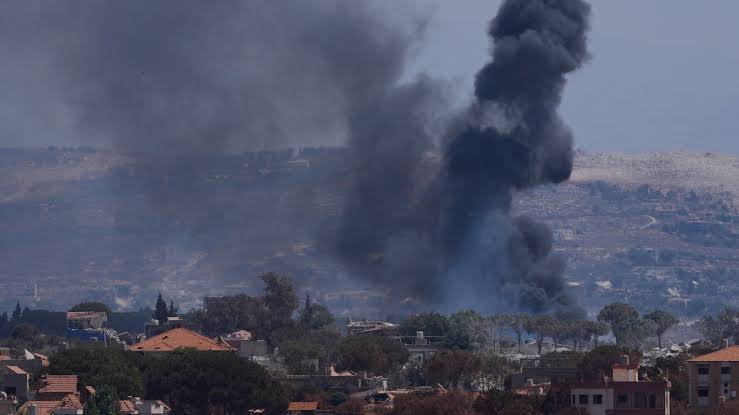
A crucial Saudi oil pipeline damaged in an attack will remain mostly out of service for several weeks while repairs are carried out, two regional officials said Monday. The disruption comes as Yemen’s Houthi rebels seized more islands along Red Sea shipping routes, adding to pressure on Saudi Arabia’s oil exports

Saudi Oil Pipeline Hit by Drones, Further Restricting Oil Flows
A crucial Saudi oil pipeline damaged in an attack will remain mostly out of service for several weeks while repairs are carried out, two regional officials said Monday. The disruption comes as Yemen’s Houthi rebels seized more islands along Red Sea shipping routes, adding to pressure on Saudi Arabia’s oil exports.
Oil prices rose more than 2% amid growing concerns about global petroleum supplies and the ability of the world’s largest oil exporter to get its crude to international markets.
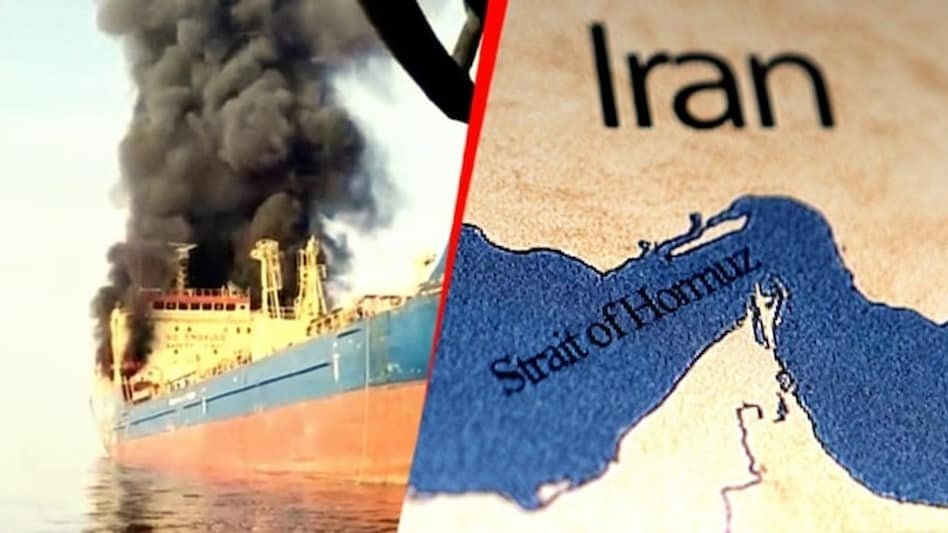
The ongoing Iran war has already forced Saudi Arabia to redirect some of its oil exports away from the Persian Gulf after Iranian attacks disrupted shipping through the Strait of Hormuz, the Gulf’s only major maritime exit.
Saudi Arabia has therefore relied more heavily on its East-West Pipeline, a 1,200-kilometer (745-mile) network that transports crude from the kingdom’s Gulf ports across the country to the Red Sea port of Yanbu. From Yanbu, the oil can be loaded onto tankers for export to international markets.
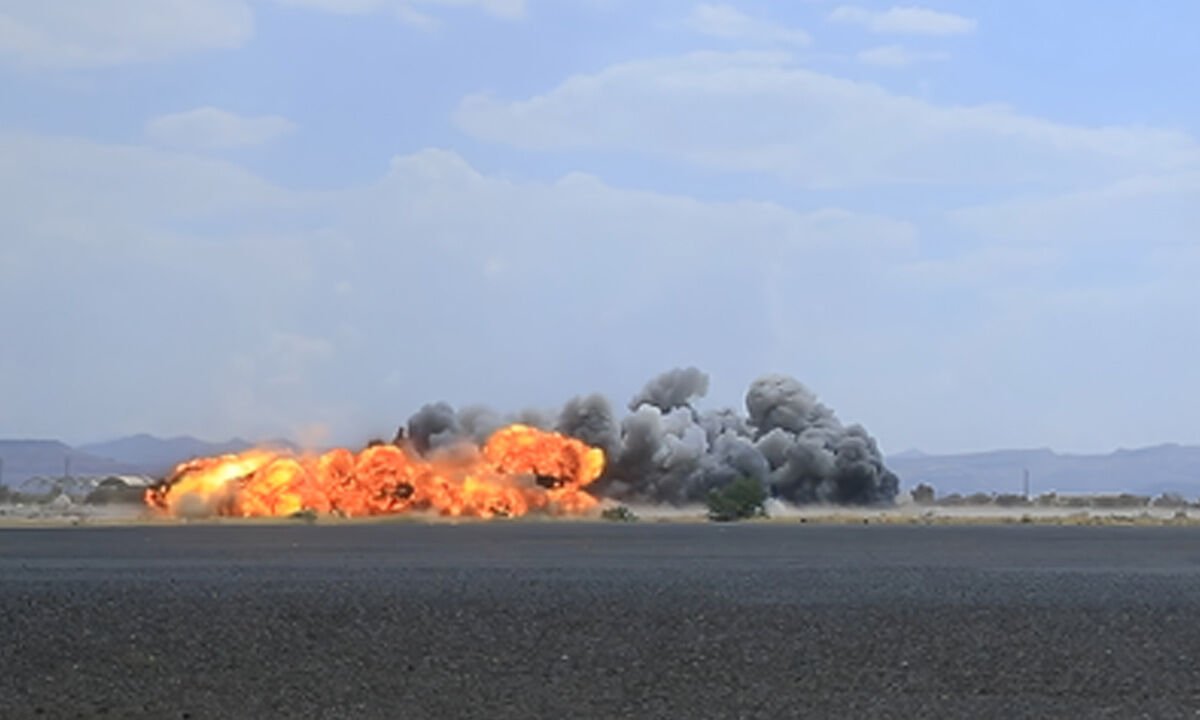
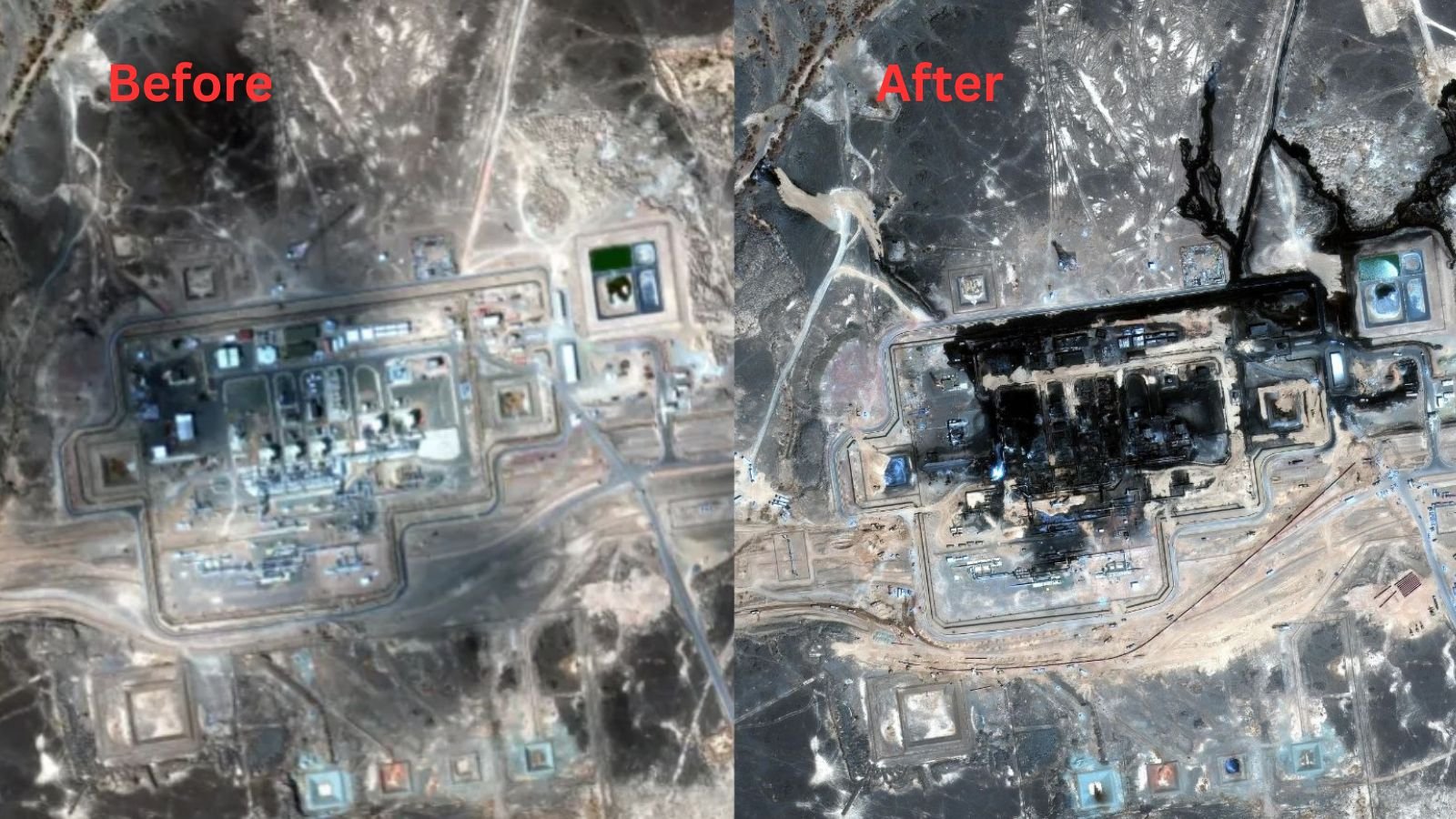
However, Saudi authorities were forced to shut down the pipeline following an attack Thursday. Saudi Arabia blamed drones operated by Iranian-backed militias in Iraq for the attack.
The damage is expected to keep much of the pipeline out of service for weeks, according to the two regional officials. The disruption could further constrain Saudi Arabia’s ability to transport and export crude at a time when global markets are already facing heightened supply concerns.
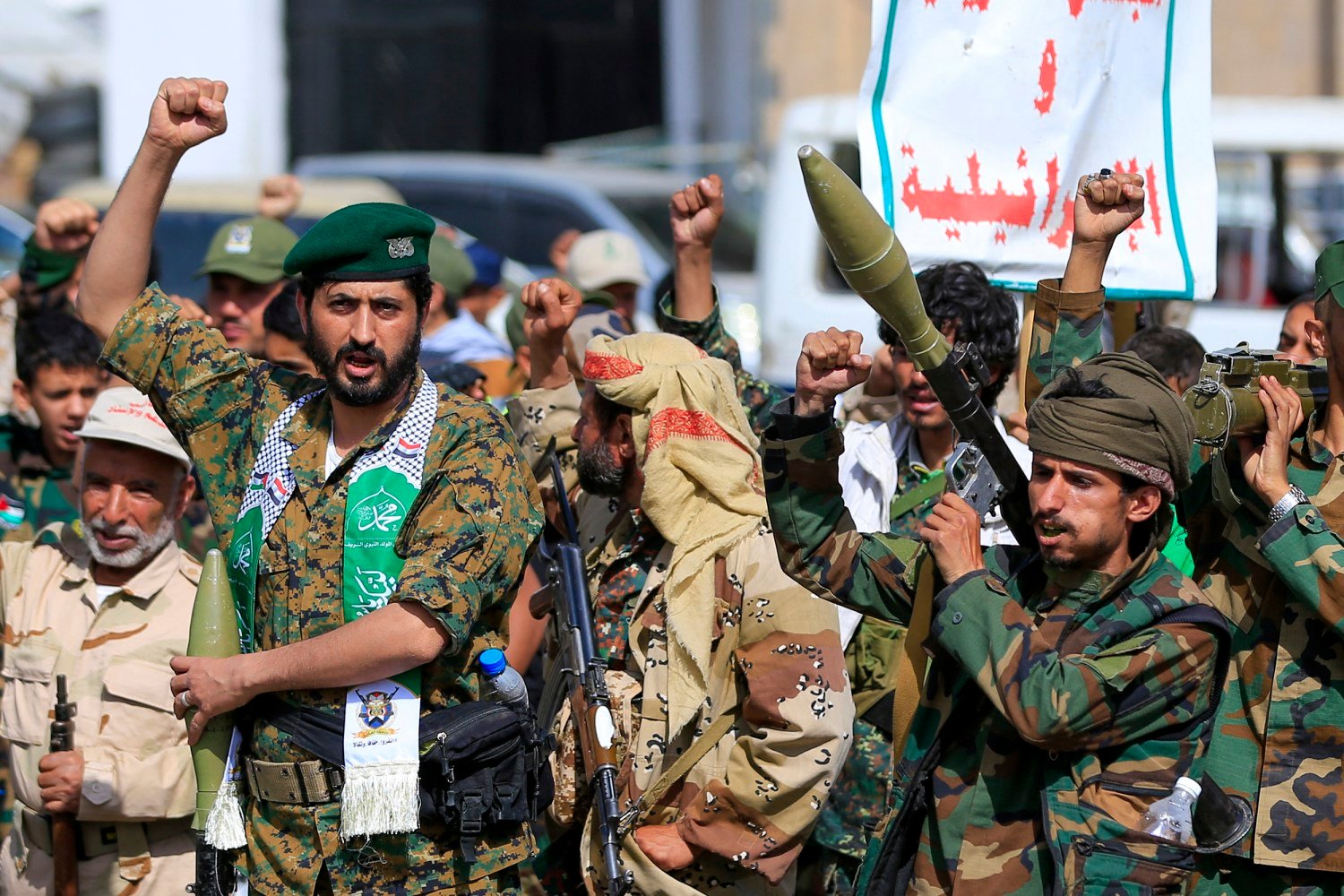
At the same time, the Houthi rebels’ expanding activity around Red Sea shipping routes is creating another potential threat to regional energy supplies. The Red Sea and the Bab al-Mandab Strait are important routes for global commercial and energy shipping, meaning prolonged insecurity could further complicate efforts to move oil through the region.
The latest developments add another layer of risk to an already strained global energy market. Disruptions around both the Strait of Hormuz and Red Sea shipping routes could increase transportation costs, delay deliveries and put additional upward pressure on international oil prices.
For Saudi Arabia, the pipeline damage is particularly significant because the East-West Pipeline has become an important alternative route for exporting crude while shipping through the Persian Gulf remains severely disrupted.
The combination of pipeline damage, attacks on shipping routes and the broader Iran war has therefore increased uncertainty over the stability of global oil supplies.