Iran Launches Regional Strikes After U.S. Attacks, Shuts Strait of Hormuz
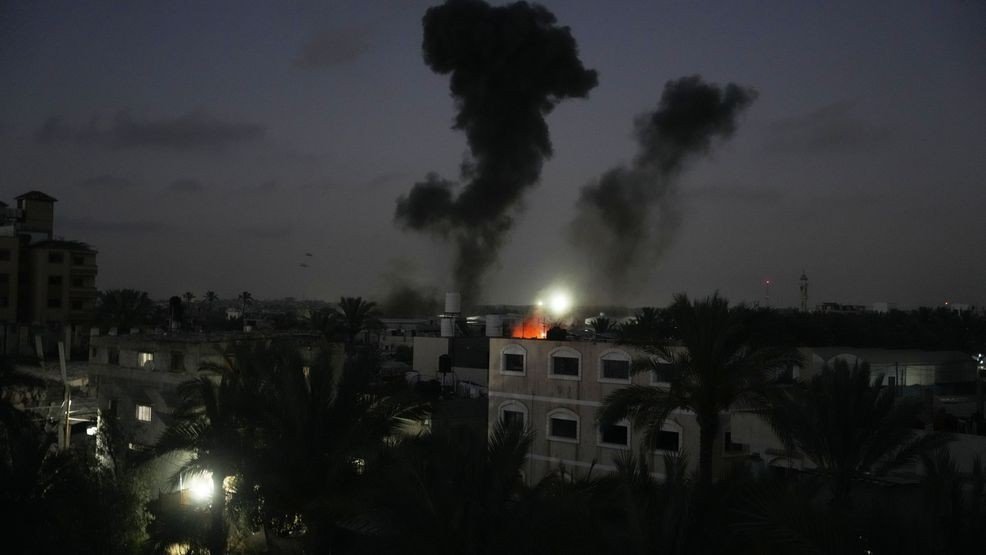
The Middle East crisis escalated sharply on Sunday as Iran launched missile and drone attacks on several Gulf countries in retaliation for fresh U.S. military strikes, while announcing the closure of the strategically vital Strait of Hormuz until further notice. The developments have raised fresh concerns over global energy supplies and international shipping

Iran Launches Regional Strikes After U.S. Attacks, Shuts Strait of Hormuz
The Middle East crisis escalated sharply on Sunday as Iran launched missile and drone attacks on several Gulf countries in retaliation for fresh U.S. military strikes, while announcing the closure of the strategically vital Strait of Hormuz until further notice. The developments have raised fresh concerns over global energy supplies and international shipping.
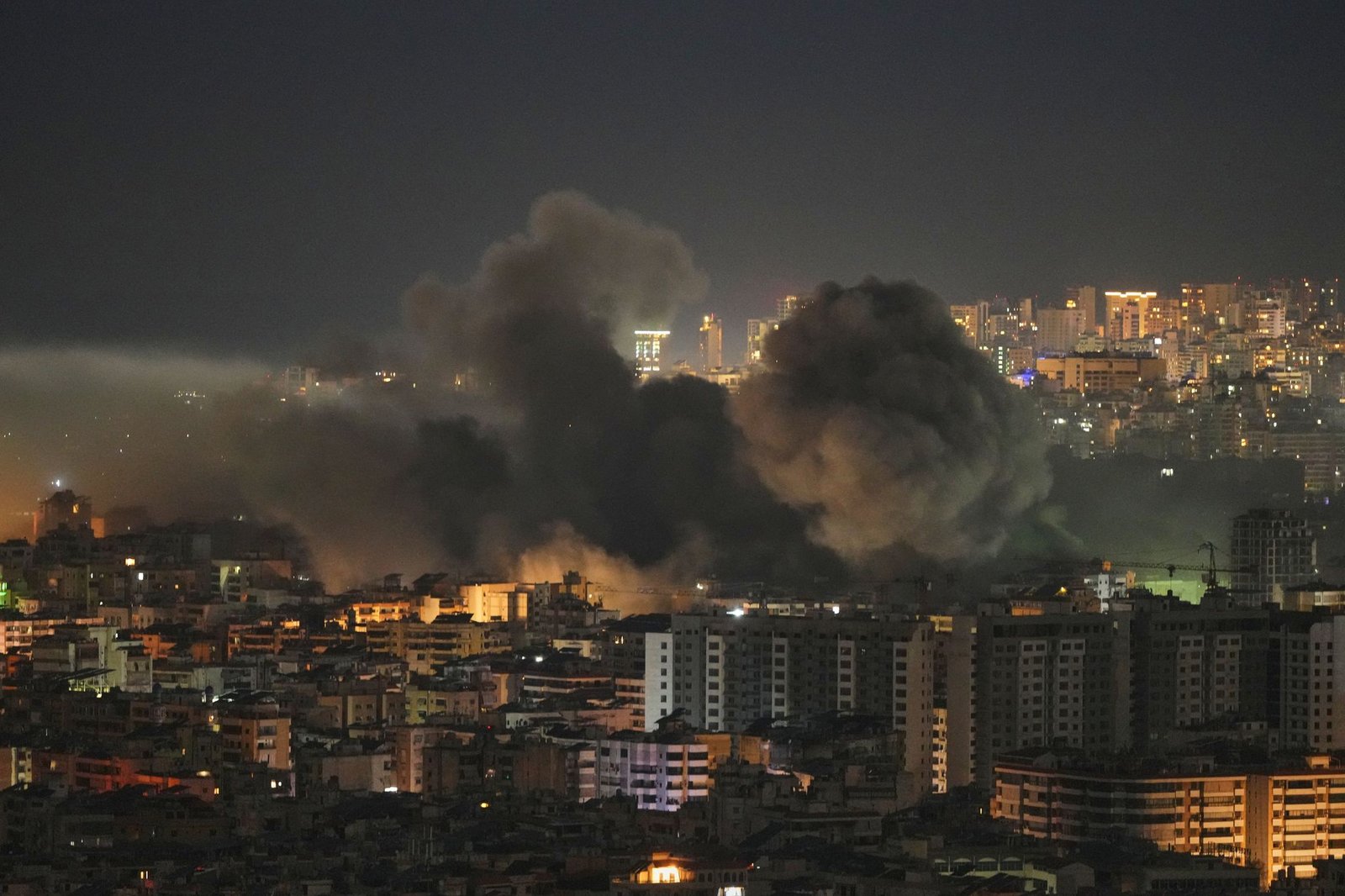
According to international reports, Jordan, Bahrain, Qatar, Oman and the United Arab Emirates (UAE) were targeted in the Iranian attacks. Qatari authorities said three people, including a child, were injured by falling debris after the country's air defense systems intercepted incoming missiles. No fatalities were immediately reported.
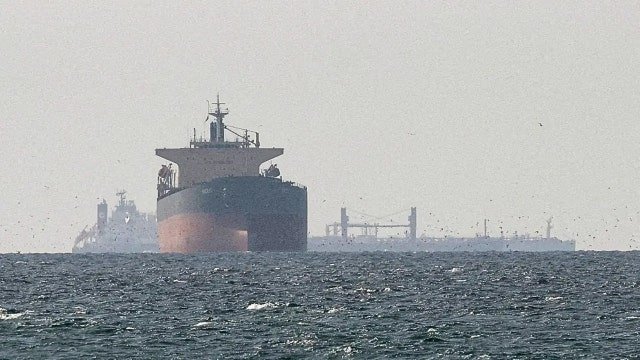
The latest escalation came after the United States said it had launched a new round of strikes on Iran following an attack by Iran's Islamic Revolutionary Guard Corps (IRGC) on a Cyprus-registered container ship transiting the Strait of Hormuz. Iranian state media later reported that the IRGC had also struck a second commercial vessel, accusing it of violating maritime regulations.
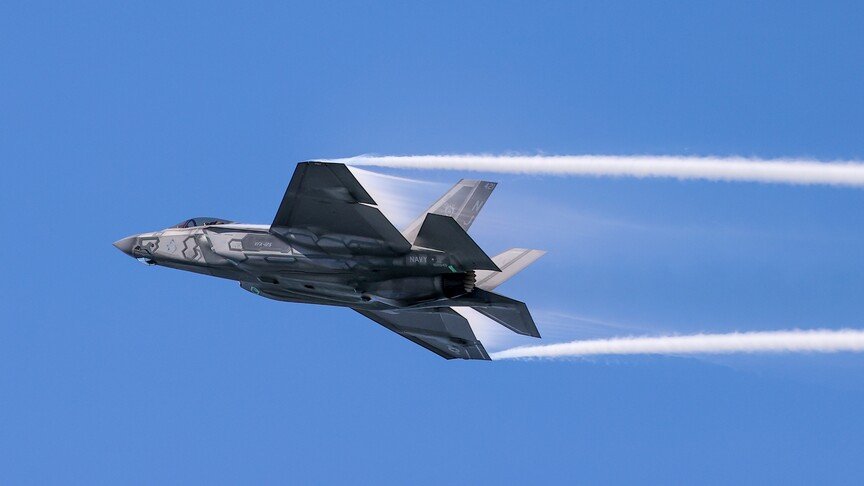
Shortly afterward, U.S. Central Command (CENTCOM) announced that American forces had carried out strikes against at least 140 military targets across Iran. The targets reportedly included missile and drone sites, naval facilities, ammunition depots, communications networks and surveillance infrastructure.
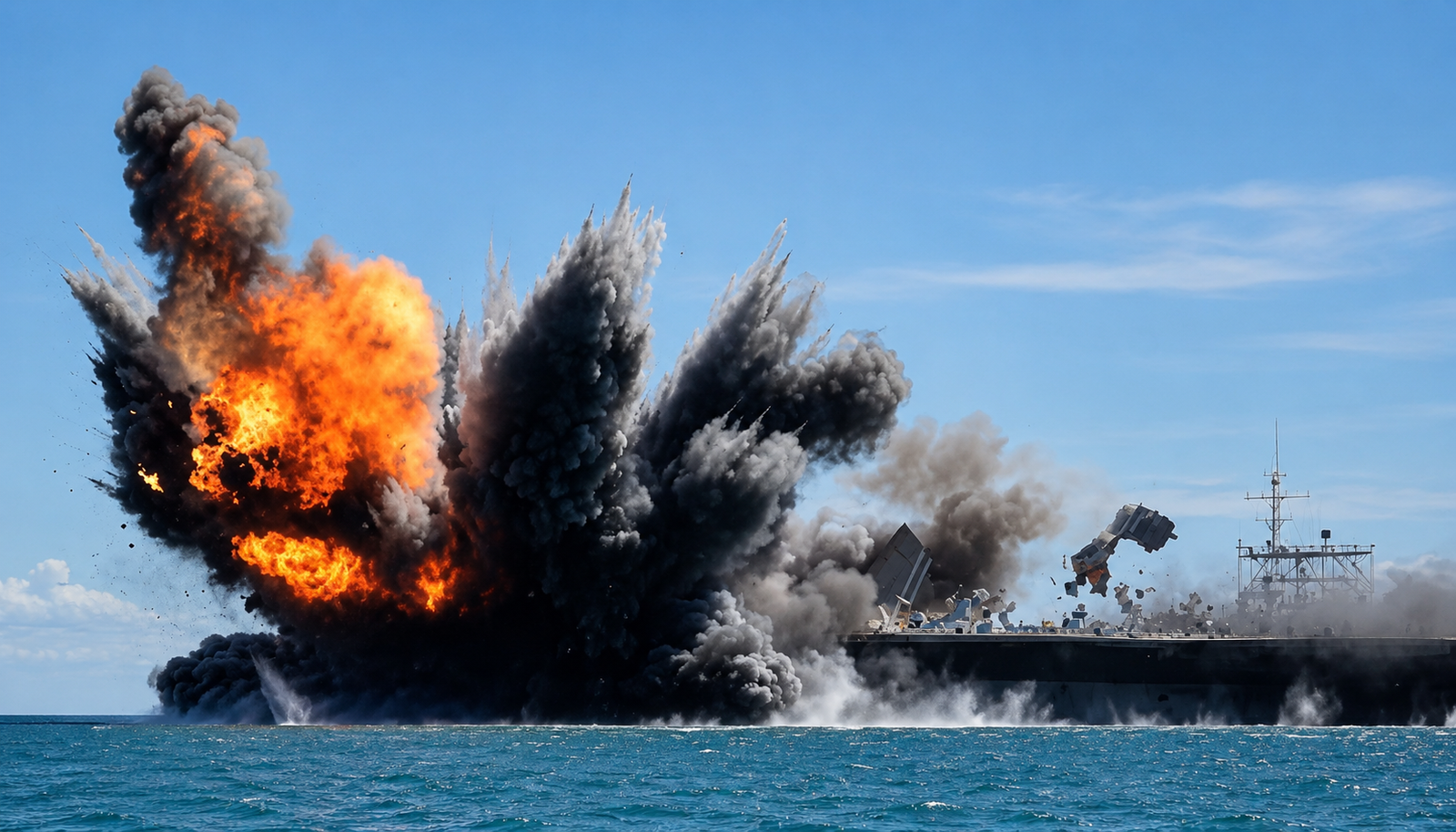
In response, the IRGC claimed it had destroyed a command-and-control center and drone hangars in Jordan, targeted a U.S. radar site in Kuwait, attacked U.S. aircraft carrier support and refueling platforms in Oman, and destroyed a jet maintenance center and command facility in Qatar. These claims have not been independently verified.
Iranian Parliament Speaker and chief peace negotiator Mohammad Bagher Ghalibaf defended Tehran's position in a social media post, writing: "The era of one-sided deals is over. We told you: keep your word or pay the price. Reality is knocking."
The Iranian military also announced the closure of the Strait of Hormuz, one of the world's most important energy transit routes. However, the United Kingdom Maritime Trade Operations (UKMTO) said the maritime security threat in the waterway remains "severe" but confirmed that a southern route through Omani territorial waters remains open. It warned commercial vessels to exercise extreme caution because of the potential risk of naval mines.
The conflict has also affected commercial shipping. Omani authorities said 23 crew members were rescued from the attacked merchant vessel GFS Galaxy, while one crew member remains missing. India's Ministry of External Affairs confirmed that 10 of the 11 Indian nationals aboard the ship had been rescued.
Amid the deteriorating security situation, the U.S. Embassy in Oman advised American citizens in Duqm and Musandam to shelter in place and avoid unnecessary movement. Oman also summoned Iran's ambassador to lodge a formal protest over drone strikes on its territory.
Jordan condemned the attacks as a dangerous escalation and a violation of international law and regional sovereignty. Meanwhile, shipping activity through the Strait of Hormuz has dropped significantly, adding to fears of disruptions in global oil supplies and international trade.
The latest exchange of attacks marks another major escalation in the U.S.-Iran confrontation, increasing the risk of a broader regional conflict with potentially far-reaching consequences for global security and energy markets.