Lebanese Living on the Edge of Israeli Occupation Face Fear and Growing Tensions
Residents living along the edge of Israel’s occupied zone in southern Lebanon are grappling with fear, displacement, and deepening sectarian tensions as the conflict continues to reshape daily life

Lebanese Living on the Edge of Israeli Occupation Face Fear and Growing Tensions
Residents living along the edge of Israel’s occupied zone in southern Lebanon are grappling with fear, displacement, and deepening sectarian tensions as the conflict continues to reshape daily life.
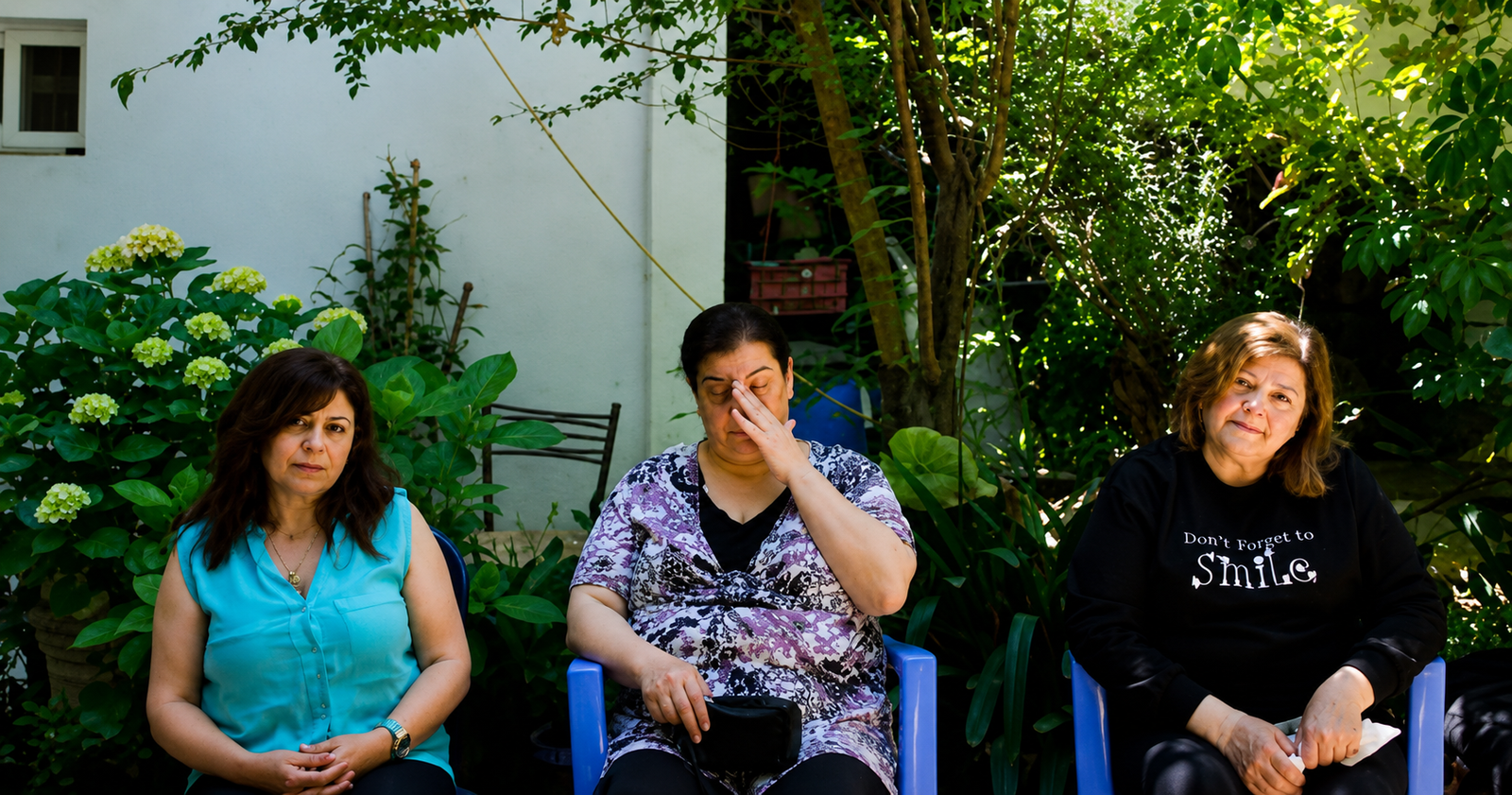
Milia el-Cheikh, a displaced resident of the Shiite-majority village of Dibbine, says she can no longer reach her home, now surrounded by barbed wire and lying in ruins after Israeli military operations against Hezbollah.
“I don’t know anything about my house,” she said. “Nothing is more agonizing than not being able to get to your home.”
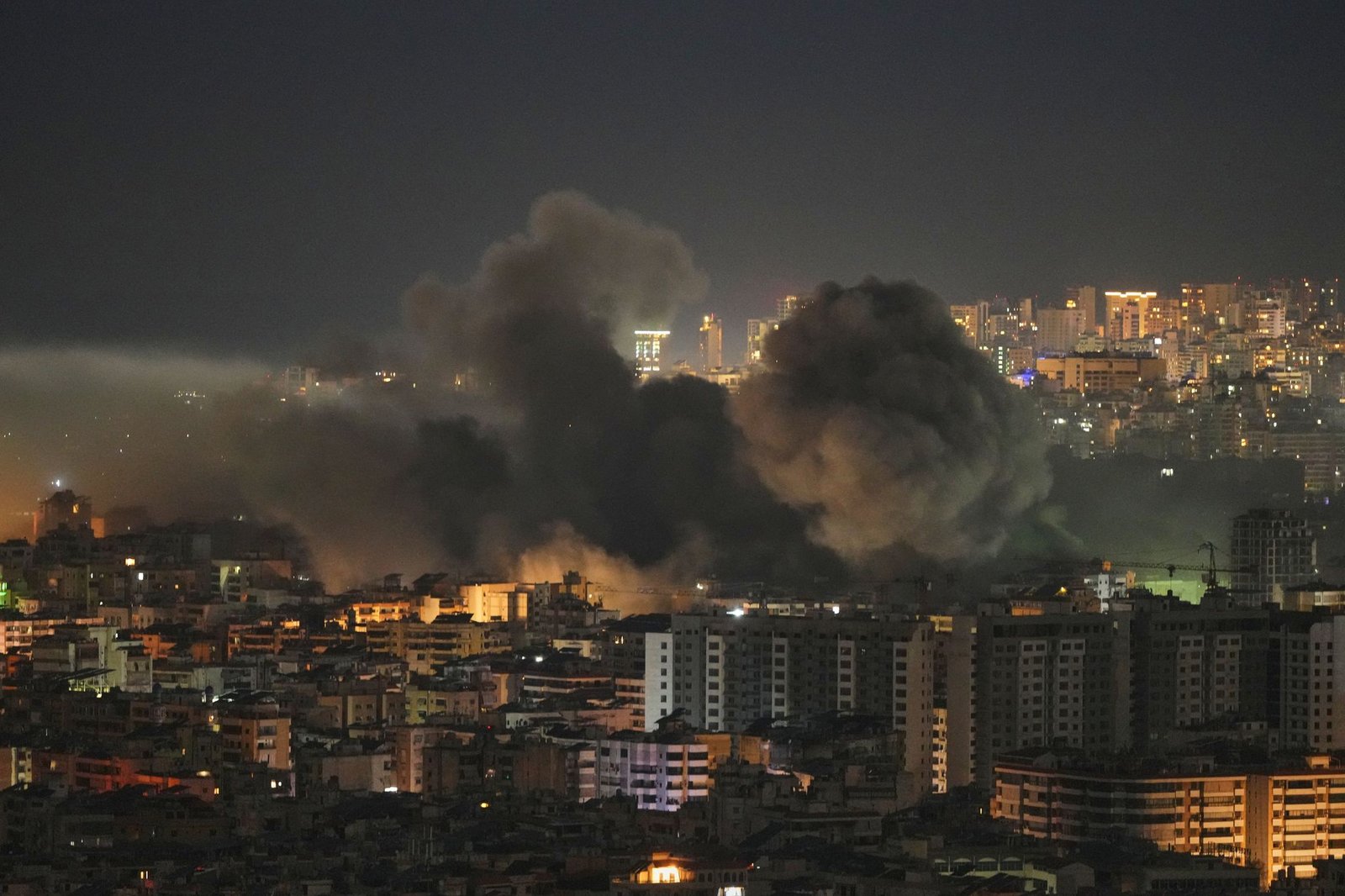
Many Shiite villages in southern Lebanon have been heavily damaged or emptied during the fighting between Israeli forces and the Iran-backed Hezbollah group. Although a recent ceasefire linked to a U.S.-Iran interim peace agreement appears to be holding, Israel continues to maintain control over parts of southern Lebanon, citing security concerns and the presence of Hezbollah infrastructure.
Neighboring Christian, Sunni, and Druze communities have also been affected. Residents report damaged homes, restricted movement, nighttime military raids, and the loss of access to farmland and livelihoods.
Israeli warnings against hosting displaced Shiite families have created divisions among communities that previously lived side by side. Local officials and clergy say some municipalities have been pressured to turn away displaced residents out of fear that their towns could become military targets.
The conflict began after Hezbollah launched rockets into Israel following the outbreak of war between Israel, the United States, and Iran. Israel subsequently expanded its military operations into southern Lebanon and declared dozens of villages off-limits for returning residents, arguing that Hezbollah had embedded military infrastructure within civilian areas.
Lebanon’s government and Iran have called for a full Israeli withdrawal, while Hezbollah has vowed to resist what it describes as an ongoing occupation.
In villages near the occupied zone, farmers say they have lost another harvest season because they cannot reach their olive groves and agricultural land. Local residents also report casualties from shelling and drone strikes, while Israel maintains that it targets only militant threats.
In the Sunni village of Halta, families allege that Israeli forces conducted nighttime raids, detained residents, and fatally shot a teenager during one operation. The Israeli military has said those detained were suspected of involvement in militant activities.
As uncertainty persists, many displaced families remain unable to return home, while those still living near the front lines continue to endure insecurity, economic hardship, and growing mistrust between neighboring communities.