New Pancreatic Cancer Pill Nearly Doubles Survival Time in Major Breakthrough
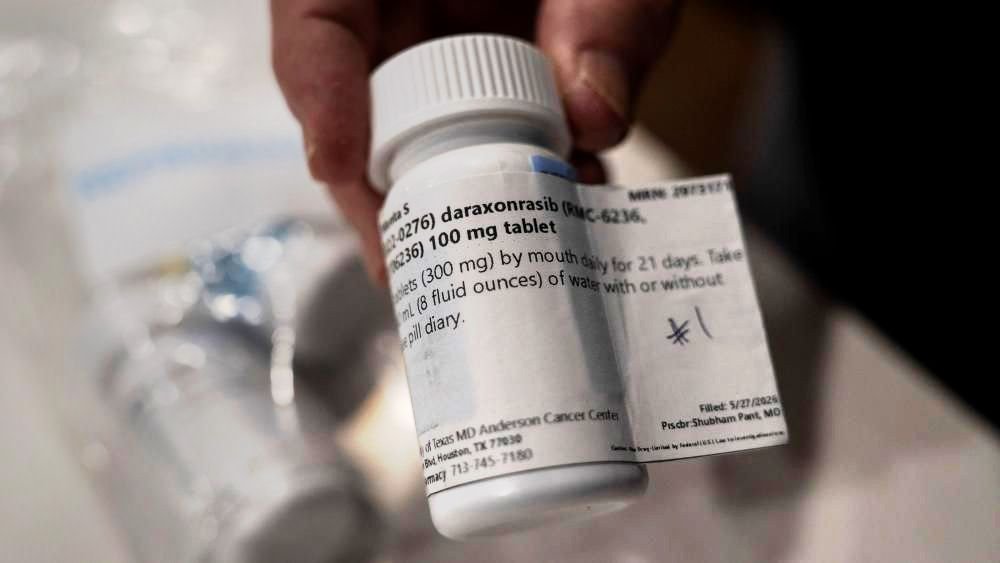
A promising new drug for Pancreatic Cancer is showing encouraging results, with researchers reporting that patients taking the experimental pill Daraxonrasib lived nearly twice as long as those receiving standard chemotherapy

New Pancreatic Cancer Pill Nearly Doubles Survival Time in Major Breakthrough
A promising new drug for Pancreatic Cancer is showing encouraging results, with researchers reporting that patients taking the experimental pill Daraxonrasib lived nearly twice as long as those receiving standard chemotherapy.
Results from the RASolute 302 Trial, involving 500 previously treated patients with metastatic pancreatic cancer, found that those taking daraxonrasib had a median overall survival of 13.2 months, compared with 6.7 months for patients receiving chemotherapy.
Daraxonrasib is designed to block cancer-driving signals linked to RAS gene mutations, which are found in more than 90% of pancreatic cancers. Researchers reported that about 30% of patients experienced significant tumor shrinkage, while roughly 90% achieved disease control, meaning their cancer either shrank or stopped progressing.
Lead investigator Brian Wolpin said the drug could transform treatment for advanced pancreatic cancer if future studies continue to confirm its benefits.
While side effects such as rash, mouth inflammation, nausea, and diarrhea were common, most patients were able to continue treatment with supportive care.
Experts caution that daraxonrasib remains an investigational therapy and is not yet considered a cure. However, many researchers believe the findings represent one of the most significant advances in pancreatic cancer treatment in recent years.