inside iran’s prisons: narges mohammadi’s memoir and the politics of slow punishment
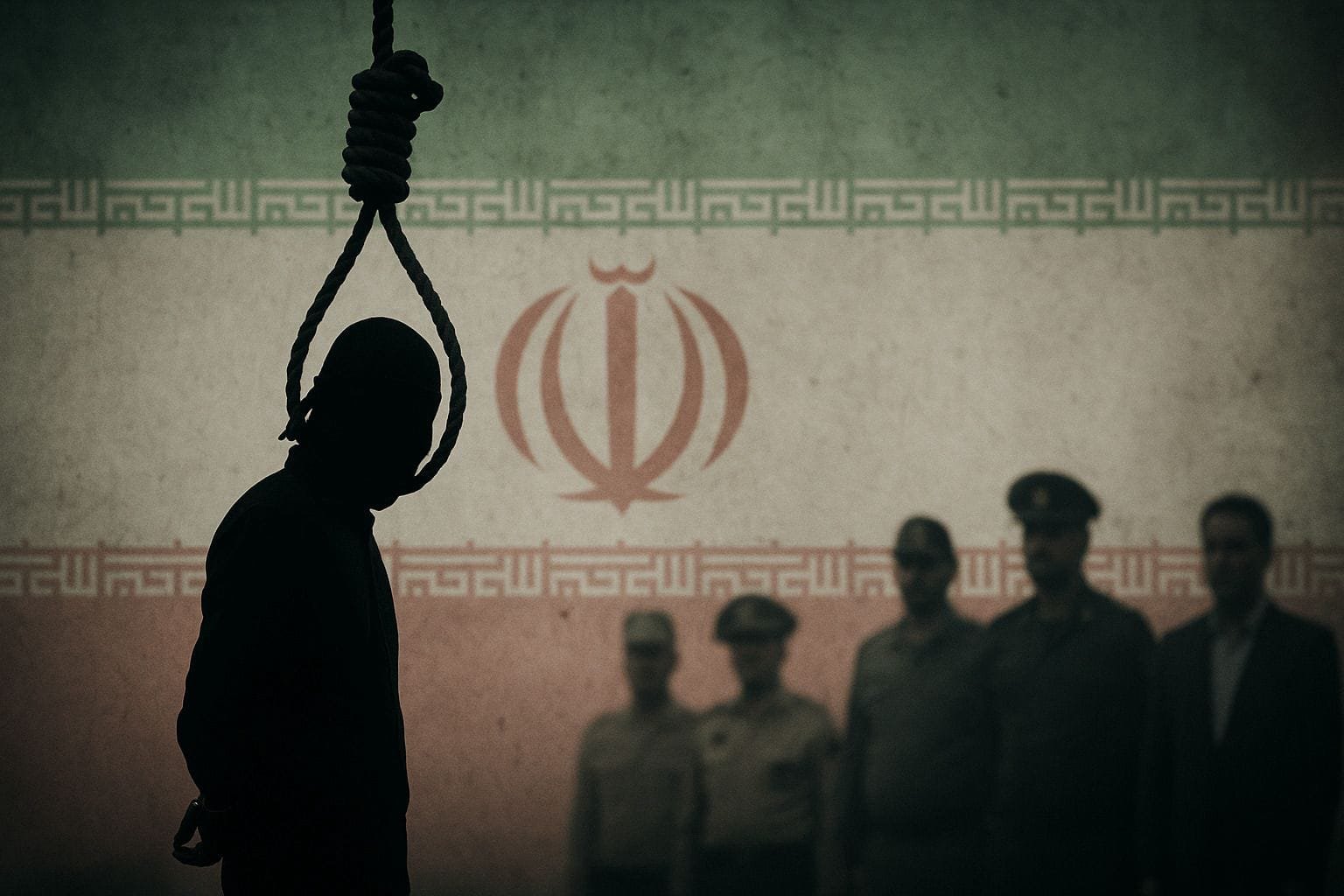
The newly revealed prison writings of Narges Mohammadi offer more than a personal testimony of suffering. They provide a rare political and human rights document that exposes how the Iranian prison system is allegedly used not only to punish dissent, but also to physically and psychologically exhaust political prisoners over time

inside iran’s prisons: narges mohammadi’s memoir and the politics of slow punishment
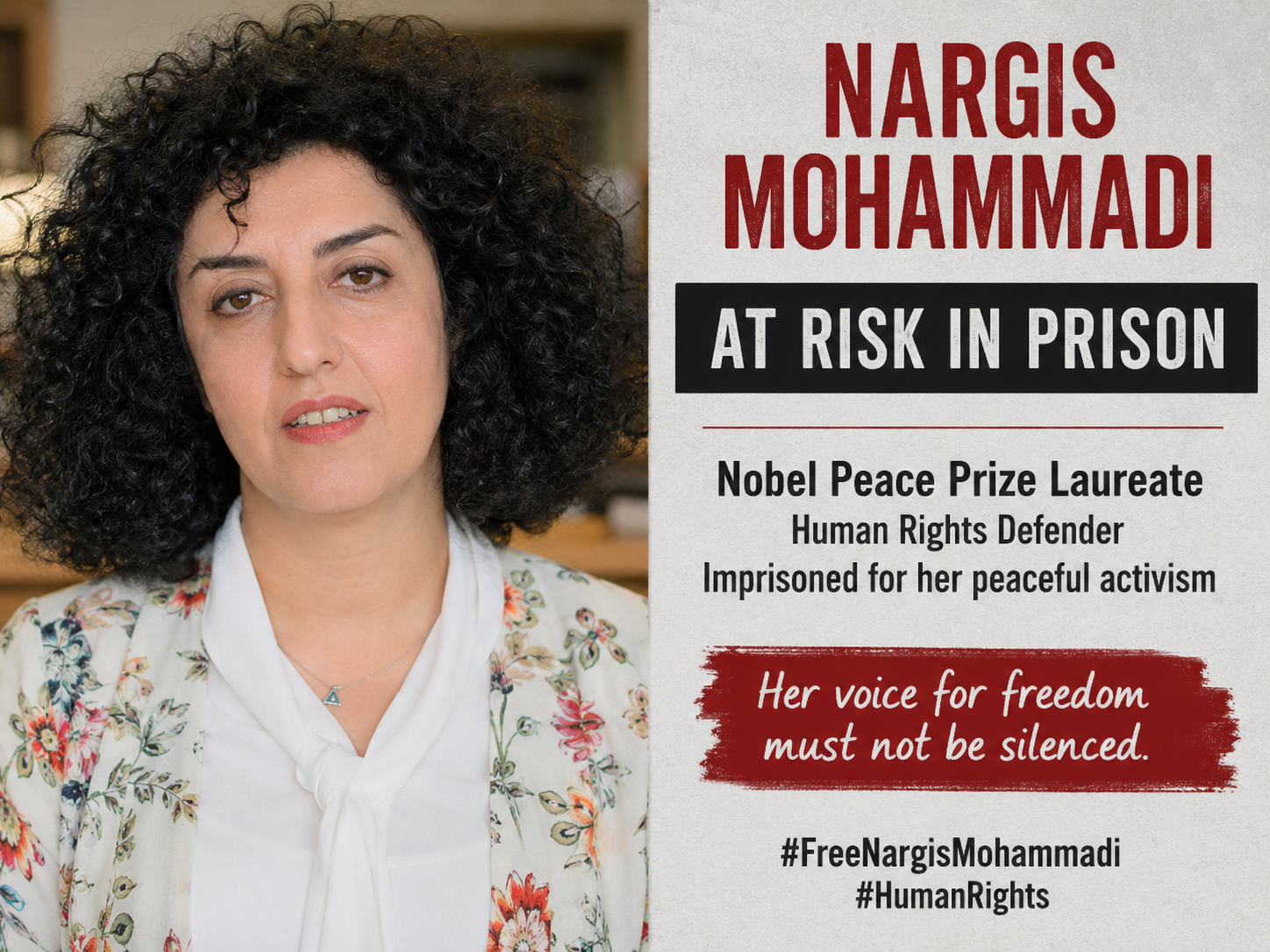
The newly revealed prison writings of Narges Mohammadi offer more than a personal testimony of suffering. They provide a rare political and human rights document that exposes how the Iranian prison system is allegedly used not only to punish dissent, but also to physically and psychologically exhaust political prisoners over time. Published in excerpts by The Guardian, the smuggled memoir paints a disturbing picture of solitary confinement, medical neglect, intimidation, and systematic repression inside Iran’s detention facilities.
Mohammadi’s account is especially significant because she is not an isolated dissident figure. She is one of the most internationally recognized Iranian human rights activists, awarded the Nobel Peace Prize while imprisoned for her activism. Her writings therefore carry both symbolic and political weight. They challenge Tehran’s repeated claims that political detainees are treated according to law and humanitarian standards.
Solitary Confinement as Psychological Warfare
One of the strongest themes in the memoir is the use of prolonged solitary confinement. Mohammadi describes isolation not simply as imprisonment, but as a deliberate method of psychological destruction. This aligns with long-standing criticism from international human rights organizations, which argue that extended solitary confinement can amount to torture under international law.
Her descriptions suggest that the Iranian authorities employ isolation strategically against activists, journalists, and political prisoners to weaken resistance without resorting to outright execution. The process becomes gradual and less visible internationally. Rather than creating martyrs through public executions, the state allegedly relies on exhaustion, fear, illness, and uncertainty.
Her statement that authoritarian regimes “sometimes simply wait for the human body to fail” is politically powerful because it reframes imprisonment itself as a slow mechanism of elimination.
Medical Neglect as a Tool of Control
Another major issue raised in the memoir is the denial of medical treatment. According to the report, Mohammadi suffered pulmonary embolism, seizures, infections, chest pain, and other severe conditions while in detention. Even after an apparent heart attack earlier this year, requests for specialized treatment were reportedly denied.
This accusation is critical because it reflects a broader pattern repeatedly documented by rights groups regarding Iranian prisons such as Evin Prison and Qarchak Prison. Critics argue that delayed or denied healthcare is frequently used against political detainees as an unofficial punishment mechanism.
The term “slow execution,” used by Mohammadi’s family, is politically charged but strategically important. It suggests that authorities may avoid direct responsibility for deaths while still creating conditions that severely endanger prisoners’ lives. If true, this approach complicates international accountability because the harm occurs gradually and often without formal legal acknowledgment.
Why Her Memoir Matters Internationally
The memoir arrives at a sensitive moment for Iran internationally. Since the 2022–23 “Women, Life, Freedom” protests following the death of Mahsa Amini, Iran’s human rights record has faced intensified scrutiny from Western governments, the United Nations, and global advocacy groups.
Mohammadi’s writings strengthen the international narrative that repression in Iran is systemic rather than exceptional. Her status as a Nobel laureate also makes it harder for Tehran to dismiss the allegations as foreign propaganda or isolated political activism.
The memoir’s publication could therefore increase diplomatic pressure on Iran, especially from European countries already critical of Tehran’s crackdown on protesters, women’s rights activists, and journalists. Human rights organizations are likely to use the book as evidence in future campaigns demanding prison reform and the release of political detainees.
The Symbolism of Women’s Resistance
Mohammadi’s story is also deeply connected to the broader struggle for women’s rights in Iran. Her activism reflects the continuing resistance of Iranian women against compulsory hijab laws, political restrictions, and gender discrimination.
The fact that she continued writing while facing repeated imprisonment demonstrates how intellectual resistance itself has become a form of activism in Iran. Smuggling writings out of prison carries enormous risk, both for prisoners and for anyone assisting them. That these texts survived repeated confiscation attempts adds symbolic power to the memoir.
Her upcoming book, A Woman Never Stops Fighting, is therefore not only a personal narrative. It is likely to become part of the historical archive of Iranian dissent, alongside testimonies from previous generations of political prisoners after the Iranian Revolution.
Broader Political Implications
The Iranian government faces a difficult balancing act. Domestically, it seeks to project strength and suppress dissent. Internationally, however, high-profile cases like Mohammadi’s damage its diplomatic image and deepen criticism over civil liberties and human rights abuses.
At the same time, Tehran may calculate that internal control remains more important than international reputation. The repeated arrests of Mohammadi despite her global recognition suggest that Iranian authorities are unwilling to allow internationally celebrated activists to become untouchable symbols inside the country.
Her memoir ultimately highlights a broader reality in authoritarian systems: prisons are not merely detention centers but instruments of political management. By documenting life inside them in detail, Mohammadi transforms private suffering into international political evidence.