
Israel debates new Haredi cities as housing crisis deepens
A growing debate in Israel over the construction of new ultra-Orthodox cities in the Negev is exposing deeper divisions about religion, integration, housing, and the country’s future identity. As the rapidly expanding Haredi population searches for affordable housing, policymakers remain divided over whether separate cities or mixed communities offer the best long-term solution.

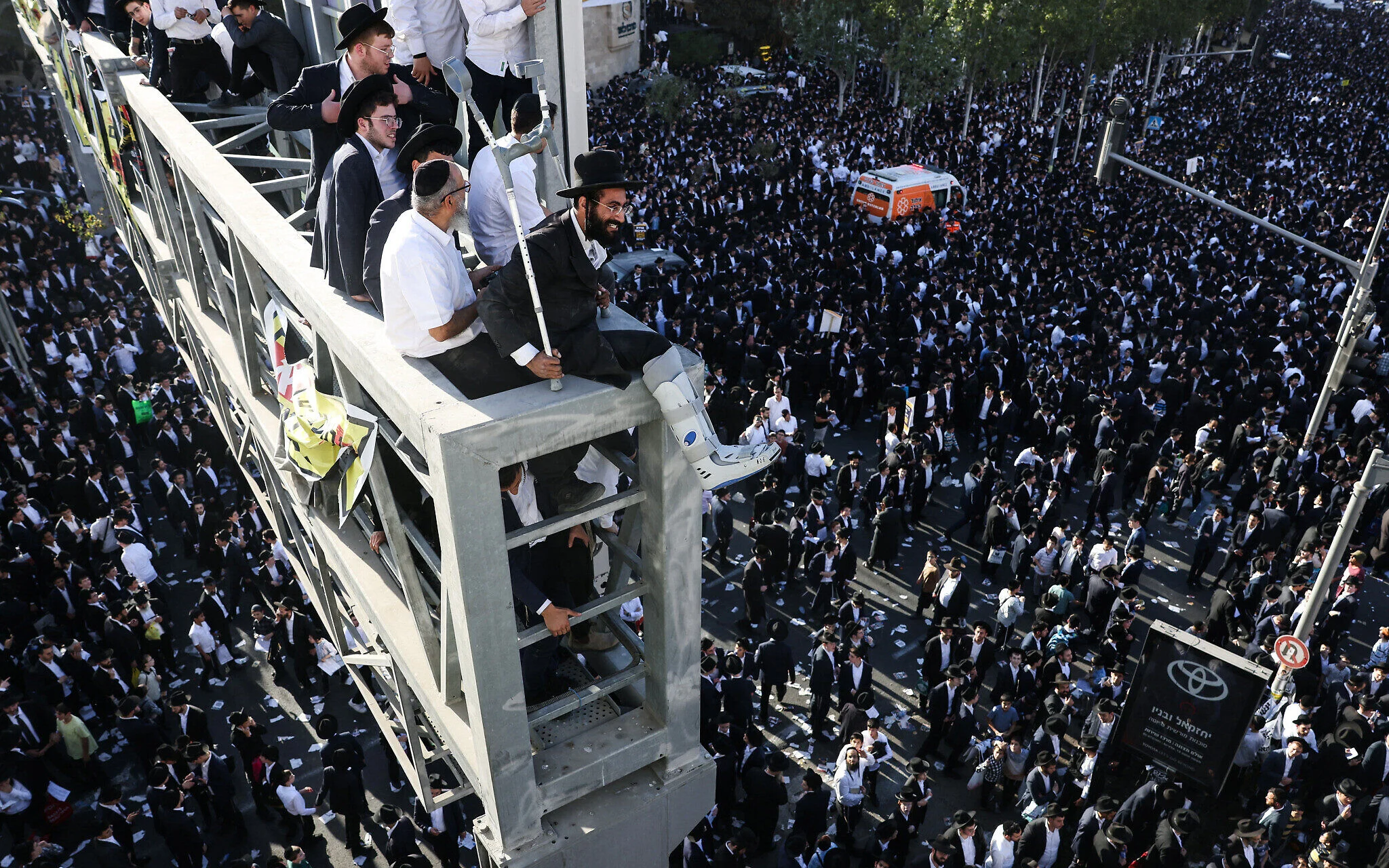
Israel debates new Haredi cities as housing crisis deepens
A growing political and social debate is unfolding in Israel over plans to build several large ultra-Orthodox, or Haredi, cities in the Negev desert region as the country struggles to address a deepening housing crisis driven by rapid population growth.
The controversy intensified recently after residents near Kiryat Gat noticed heavy construction equipment operating on Shabbat at a future ultra-Orthodox city site tentatively called “Plugot.” Construction work is generally prohibited during the Jewish Sabbath according to religious law, making the incident particularly ironic given the project’s religious purpose.
Authorities later said the work resulted from a subcontractor’s mistake and the activity was quickly halted. However, the incident drew national attention to the broader debate surrounding the future of housing and urban planning for Israel’s rapidly expanding Haredi community.
The proposed cities are being promoted primarily by leaders connected to the ultra-Orthodox political party United Torah Judaism, including former Housing Minister Yitzhak Goldknopf. Supporters argue that entirely new Haredi cities are necessary to provide long-term housing solutions for a community growing at one of the fastest rates in the country.
Government officials estimate that Israel’s ultra-Orthodox population currently exceeds 1.45 million people, accounting for approximately 14% of the country’s total population. According to studies cited by the Israel Democracy Institute, the Haredi population could rise to nearly 25% of Israel’s population by 2050.
Despite this demographic growth, housing development has not kept pace. A 2023 state comptroller’s report found that only 4% of residential building approvals between 2017 and 2021 were specifically designated for Haredi communities — roughly 25,000 housing units out of more than 623,000 approved nationwide.
The report warned that more than 10,000 housing units per year must be approved to meet the government’s long-term target of 200,000 new homes for the ultra-Orthodox sector by 2035.
As a result of severe housing shortages in traditional Haredi centers such as Bnei Brak and Jerusalem’s Meah Shearim neighborhood, many ultra-Orthodox families have increasingly moved into mixed or secular cities across Israel.
Communities in cities including Jerusalem, Beit Shemesh, Arad, Safed, Tiberias, Afula, Kiryat Malachi and Ashdod have experienced major demographic shifts as Haredi populations continue expanding.
These changes have often led to tensions between secular and ultra-Orthodox residents over issues including public transportation on Shabbat, religious influence in education, public space regulations, and the broader cultural identity of neighborhoods.
Experts note that ultra-Orthodox lifestyles require specialized infrastructure such as synagogues, religious schools, study halls, and ritual baths, most of which must remain within walking distance due to religious restrictions on transportation during the Sabbath.
The debate has now triggered disagreements within the Israeli government itself. The Finance Ministry, led by Finance Minister Bezalel Smotrich, reportedly believes housing demand can be met through integration into mixed cities and argues that entirely separate Haredi cities may deepen economic and social divisions.
Meanwhile, the Housing Ministry and ultra-Orthodox political leaders continue pushing for rapid approval of the projects before Israel potentially heads into national elections later this year.
Academic experts warn that if new housing strategies are not implemented soon, demographic trends may transform many more Israeli cities into majority-Haredi communities within the next decade, fundamentally reshaping the country’s social and political landscape.