Freedom of the press upheld in landmark ruling
A federal judge has blocked the Trump administration from enforcing a Pentagon policy that restricted press access. The ruling reinforces the constitutional rights of journalists and ensures that the American public continues to receive critical information from multiple perspectives.

Freedom of the press upheld in landmark ruling
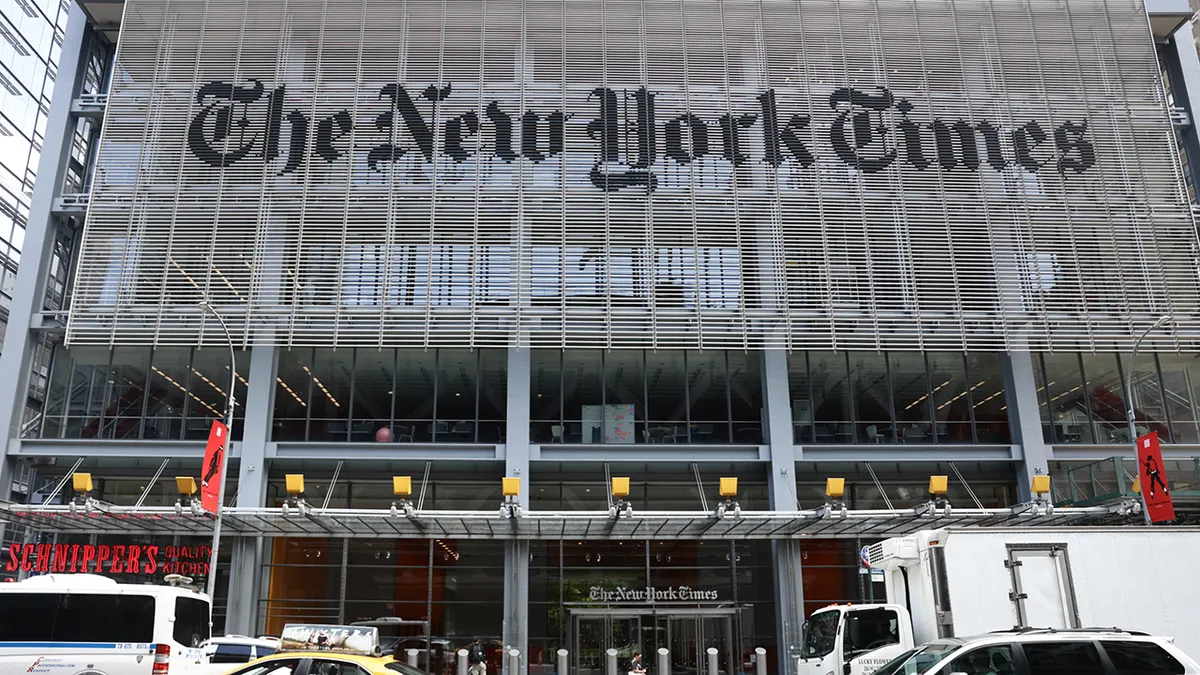
Washington, D.C., March 21: A federal judge has blocked the Trump administration from enforcing a Pentagon policy that would have restricted news reporters’ access to the U.S. Department of Defense. The ruling comes after The New York Times challenged the policy, arguing it violated constitutional protections for free speech and due process.
U.S. District Judge Paul Friedman, appointed by Democratic President Bill Clinton, ruled that the Pentagon’s rules unlawfully restricted press credentials for journalists who refused to comply with the new policy. The judge emphasized that the policy “fails to provide fair notice of what routine, lawful journalistic practices will result in the denial, suspension, or revocation” of credentials.
Judge Friedman stated that the policy constitutes a violation of the First and Fifth Amendments, which protect free speech and due process. “Those who drafted the First Amendment believed that the nation’s security requires a free press and an informed people,” the judge wrote, “and such security is endangered by governmental suppression of political speech.”
Background of the Case
The Times sued the Pentagon and Defense Secretary Pete Hegseth in December, claiming the policy targeted reporters from outlets who refused to consent to the rules, including The Associated Press. Meanwhile, most conservative media outlets agreed to follow the new rules and continued reporting.
Lawyers representing The Times argued that the Pentagon’s policy was a thinly veiled attempt to silence journalists who might criticize the Trump administration. “The First Amendment flatly prohibits the government from granting itself the unbridled power to restrict speech,” the Times’ legal team said.
Evidence of Discrimination
Judge Friedman noted that the Pentagon policy appeared designed to “weed out disfavored journalists” and replace them with those “willing to serve” the administration—a form of illegal viewpoint discrimination. “The policy makes any newsgathering or reporting not approved by the Department a potential basis for denial or revocation of press credentials,” he wrote.
The judge also cited inconsistencies in enforcement. For example, right-wing personality Laura Loomer, who agreed to the policy, operated a “tip line” for military personnel, while The Washington Post’s similar tip line was deemed a violation. Friedman said there was no meaningful difference between the two and highlighted the arbitrary application of the rules.
Court Order and Implications
The court ordered the Pentagon to reinstate the press credentials of seven Times journalists and noted that the vacated policy terms apply to all affected parties. The Pentagon has been given a week to submit a compliance report.
New York Times spokesperson Charlie Stadtlander welcomed the ruling, saying it “enforces constitutionally protected rights for the free press in this country” and ensures transparency in how the government operates.