White House Dinner Shooting Suspect Wrote Anti-Christian Manifesto, Says Donald Trump
The suspect behind the shooting at the White House Correspondents’ Dinner had authored an anti-Christian manifesto outlining his grievances and intended targets, according to U.S. President Donald Trump

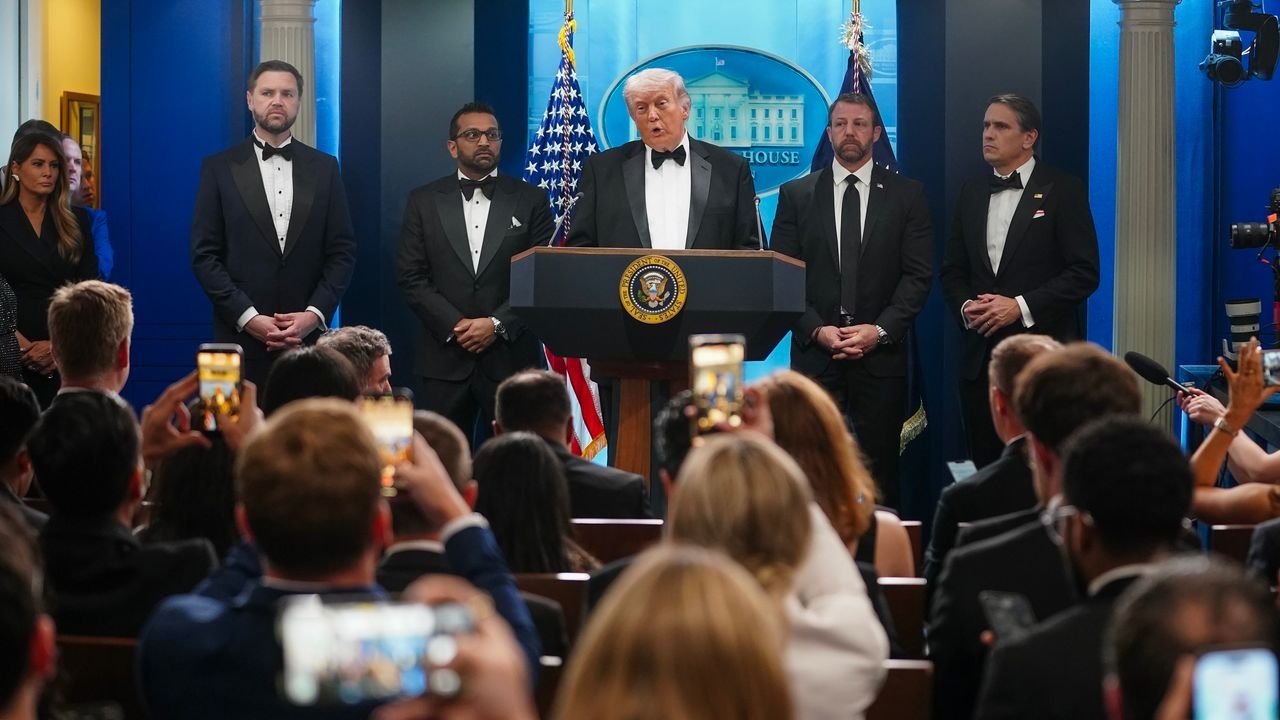
White House Dinner Shooting Suspect Wrote Anti-Christian Manifesto, Says Donald Trump
The suspect behind the shooting at the White House Correspondents’ Dinner had authored an anti-Christian manifesto outlining his grievances and intended targets, according to U.S. President Donald Trump.
According to a report , the 31-year-old suspect sent a written manifesto to family members prior to the attack. In the document, he allegedly expressed hostility toward Christianity and identified senior officials in the Trump administration as potential targets, raising concerns about ideological and politically motivated violence.
Incident Overview:
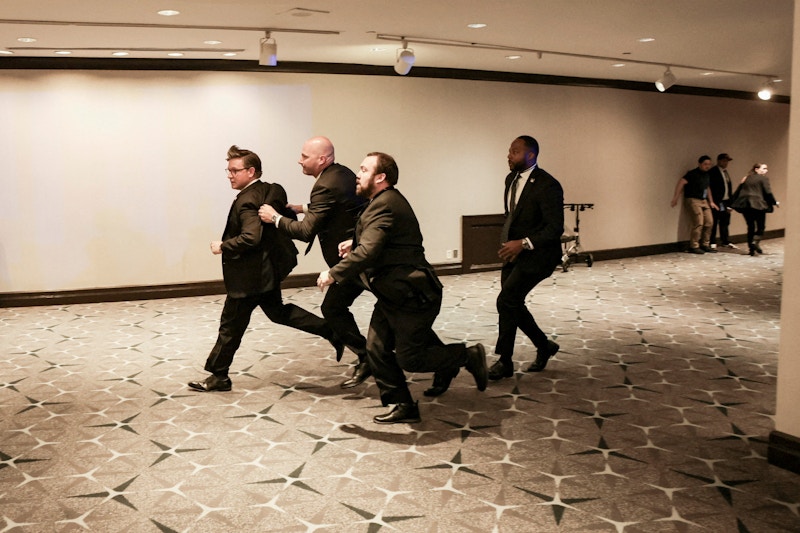
The shooting occurred during the annual White House Correspondents’ Dinner in Washington, D.C., a high-profile event attended by political leaders, journalists, and public figures. The suspect opened fire with a shotgun, injuring a Secret Service agent, who was protected by body armor and avoided life-threatening injuries.
Security personnel responded swiftly, subduing the attacker and securing the venue. President Trump and other officials were immediately evacuated to safety.
Manifesto and Motive:
Investigators say the manifesto contained:
Strong anti-Christian rhetoric
Expressions of political anger and resentment
References to targeting government officials
Criticism of U.S. institutions and security systems
Authorities are examining whether the attack was driven by a combination of religious extremism and political grievances.
Trump’s Response:
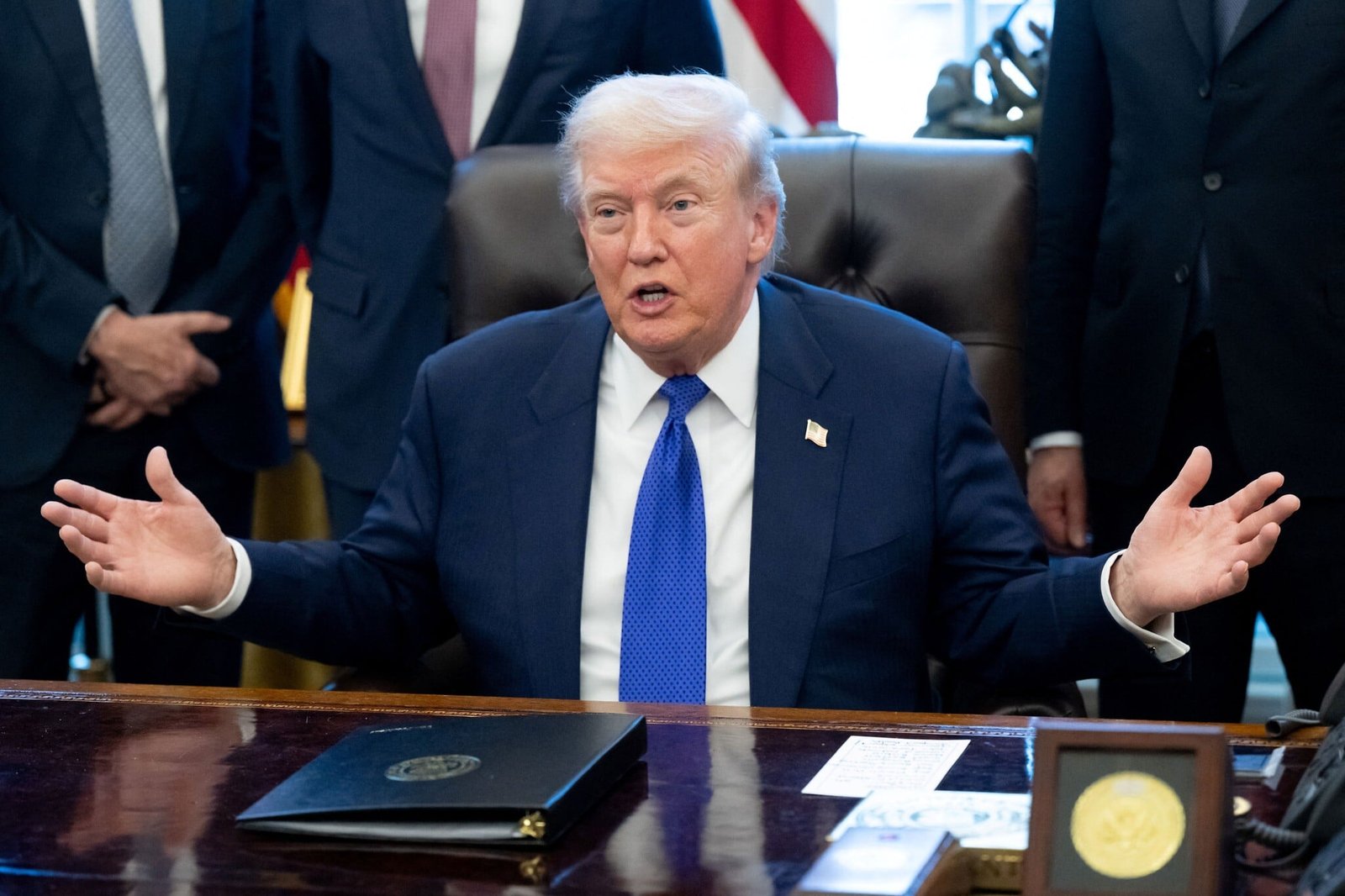
President Trump described the suspect as “deeply disturbed” and noted that the individual’s family had previously raised concerns about his behavior. He emphasized that the incident highlights the growing threat of politically and ideologically motivated violence in the United States.
Security and Political Implications:
The incident has intensified debate over:
Security vulnerabilities at major political events
The rise of extremist ideologies targeting public figures
Increasing polarization and its link to violent actions
Federal authorities are preparing charges against the suspect, including attempted assault on federal officials. Investigations are ongoing to determine whether the attacker had accomplices or broader connections.
The attack underscores a troubling trend: the intersection of ideological extremism and political violence, posing new challenges for U.S. security agencies and policymakers.