Trump Pushes G7 to Release Emergency Oil and Diesel Reserves Amid Rising Fuel Prices
Trump Pressures G7 Nations to Release Emergency Oil and Diesel Reserves as Rising Fuel Prices Raise Global Economic Concerns.

Trump Pushes G7 to Release Emergency Oil and Diesel Reserves Amid Rising Fuel Prices
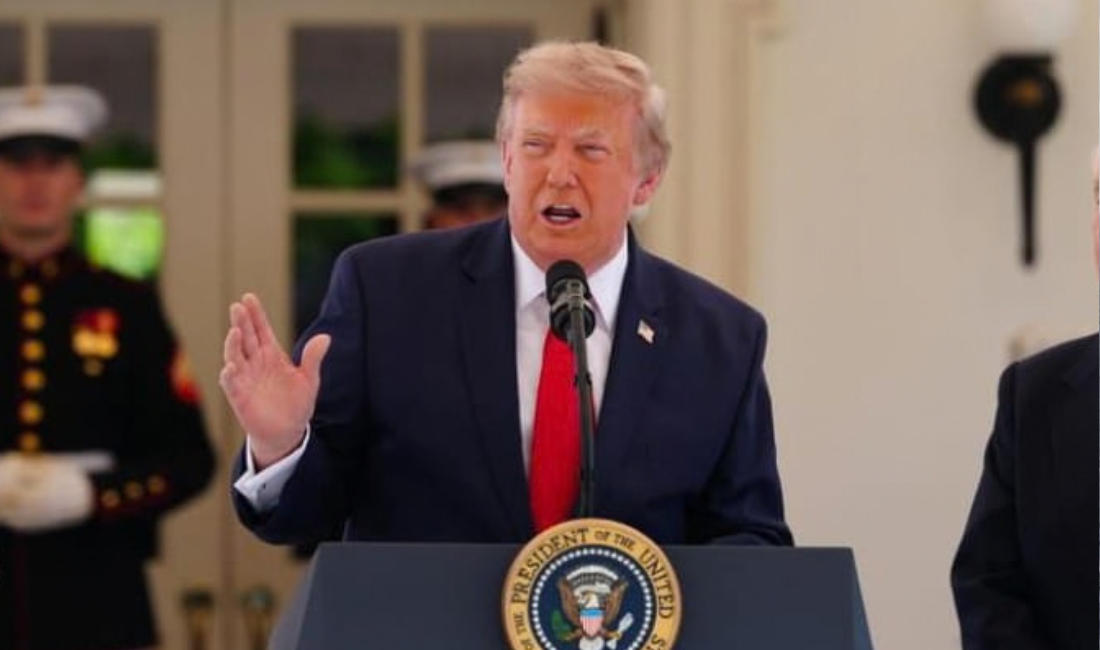
U.S. President Donald Trump has welcomed a major G7 decision to release emergency oil and diesel reserves as fuel prices continue to surge.
The Group of Seven countries agreed on October 2 to coordinate the release of 100 million barrels of crude oil and refined fuels through the International Energy Agency. The release is scheduled to begin immediately and continue over four months.
A substantial portion of the release will be diesel, with G7 members and partners expected to make a significant amount available within the first 20 days. The agreement does not provide a detailed breakdown of how much will come from each country or how much will specifically be diesel.
Trump had been urging European countries to release emergency diesel stockpiles to help ease pressure on fuel prices. After discussions with European leaders, Trump said Europe had agreed to release a large amount of diesel from its reserves and that the process would begin immediately.
The move comes amid severe disruption in global energy markets linked to the conflict involving Iran, which has affected oil and refined-fuel supplies. Europe has also been concerned about maintaining adequate emergency reserves while responding to high fuel costs.
The G7 agreement also includes a commitment by participating countries not to impose restrictions on the exchange of energy and petroleum products between partner countries. The measure is intended to improve market supply and reduce pressure on fuel prices.
Market prices responded to the announcement. Reuters reported that U.S. diesel futures fell more than 4% during Friday trading after reports of the planned stock releases, while European diesel futures also declined.
However, the reserve release does not guarantee an immediate or equal reduction in prices for consumers. The final impact will depend on how quickly the reserves are released, the amount of diesel actually supplied to markets, refining capacity and transportation conditions.
The decision represents one of the largest coordinated emergency energy-stock actions by the G7 and comes as governments attempt to stabilize fuel markets and protect consumers from further price increases.