Trump says a U.S.–Iran peace deal could be signed as early as Sunday
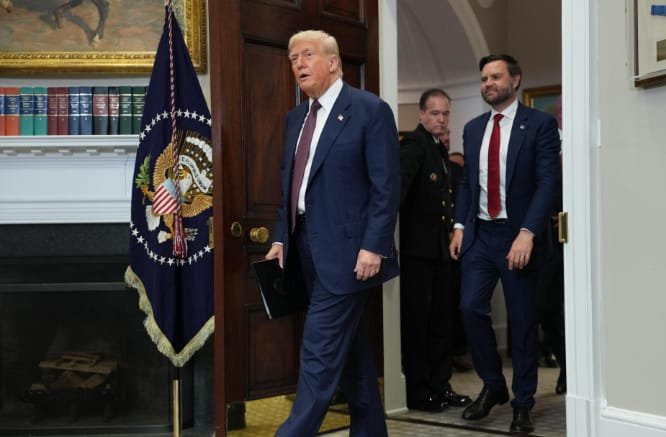
The U.S. President, Donald Trump, said on Saturday that the United States is expected to sign a new agreement with Iran the following day. He claimed the deal would prevent Tehran from obtaining a nuclear weapon and would reopen the Strait of Hormuz to international shipping

Trump says a U.S.–Iran peace deal could be signed as early as Sunday
The U.S. President, Donald Trump, said on Saturday that the United States is expected to sign a new agreement with Iran the following day. He claimed the deal would prevent Tehran from obtaining a nuclear weapon and would reopen the Strait of Hormuz to international shipping.
In a social media post, Trump stated that Iran “no longer wants a nuclear weapon, nor will they have one, whether through purchase, development, or any other form of procurement.”
He added:
“The Deal is scheduled to get signed tomorrow, and immediately after it is signed, the Hormuz Strait is OPEN TO ALL. Our relationship with Iran is much different and better than previous Administrations have had. Hopefully, this process will work out quickly, easily, and smoothly. If it doesn’t, we have the ultimate alternative, hopefully never to be used again.”
Earlier on Saturday, Iran, the United States, and mediators suggested that a preliminary peace agreement to end the three-month conflict in the Middle East could be signed within days. However, they provided differing timelines and descriptions of the proposed deal.
Shehbaz Sharif said Pakistan was preparing for an electronic signing within 24 hours, followed by technical-level talks next week.
He wrote on social media:
“We are closer to a peace deal than ever before. We are confident that this historic peace deal will form a strong foundation for lasting peace.”
However, Iranian Foreign Ministry spokesperson Esmaeil Baghaei urged caution.
He said:
“We will have to wait and see about the exact date of the signing of the memorandum of understanding, although it will not be tomorrow. The possibility of this happening in the coming days cannot be ruled out.”
Recent days have seen the most intense clashes between Iran, Israel, and the United States since a ceasefire took effect in April.
On Thursday, Trump threatened to seize Iran’s Kharg Island oil export terminal and launch a new wave of attacks. He later claimed a diplomatic breakthrough, saying a draft agreement had been approved by the “highest level of Iranian leadership.”
Throughout the conflict, Trump repeatedly stated that a deal was close to completion, only to later return to threatening Iran with further military action.
Officials from both countries are attempting to portray the possible agreement as a victory, each claiming that the other side made significant concessions.
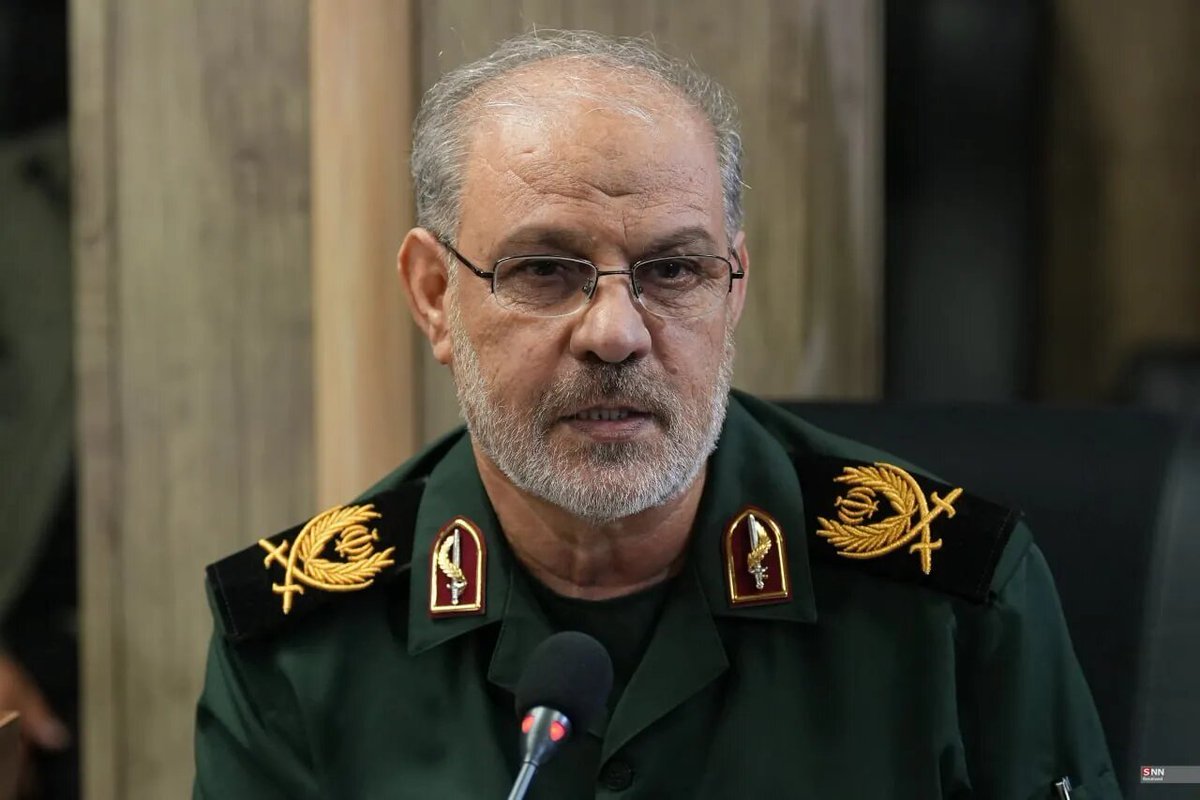
Iranian Foreign Minister Abbas Araghchi told state television that the draft agreement showed Iran had emerged stronger from the conflict.
He said:
“Iran is the winner of the war with the U.S.”
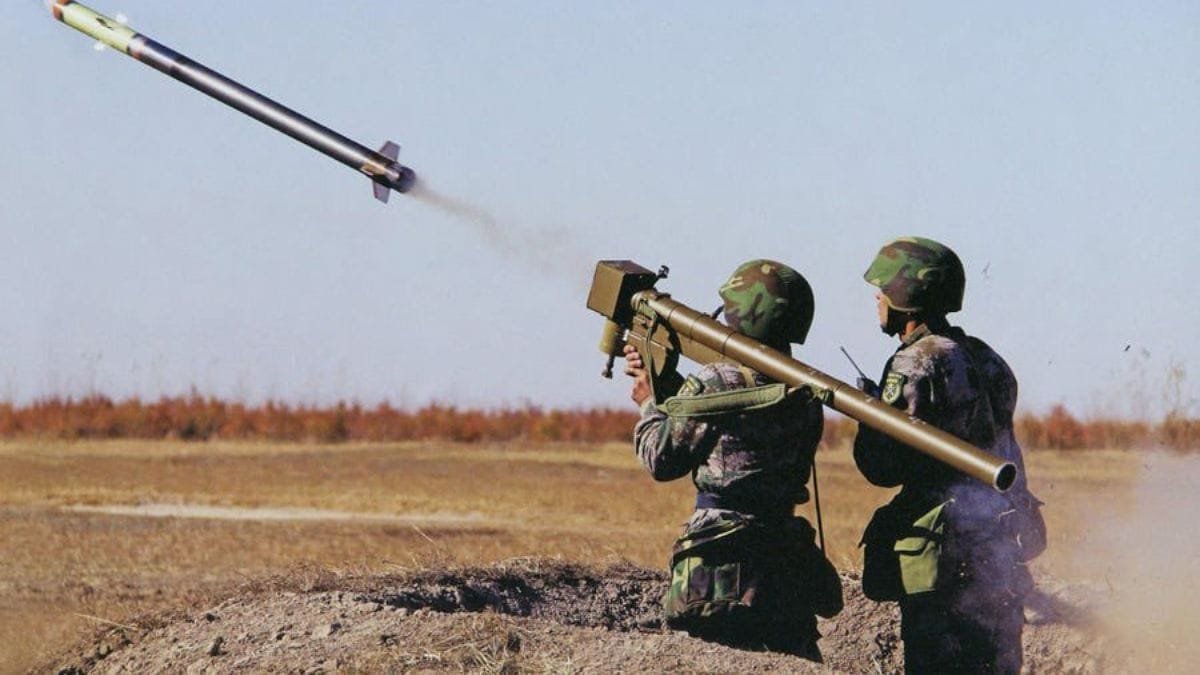
Hours later, U.S. forces shot down several Iranian one-way attack drones heading toward the Strait of Hormuz. Before the conflict, this strategic waterway carried roughly one-fifth of the world’s oil and liquefied gas supplies. Iran had largely closed it to shipping shortly after hostilities began.
According to sources involved in the talks, the proposed agreement would reopen the Strait of Hormuz and end the U.S. naval blockade of Iranian ports. Negotiations regarding Iran’s nuclear program would then follow.
Trump dismissed reports published by Mehr News Agency, calling them unrelated to the actual contents of the draft agreement.
According to Iranian officials, the agreement would:
End conflict across multiple fronts, including in Lebanon.
Release approximately $24 billion in frozen Iranian assets.
Establish a 60-day period for nuclear negotiations.
Suspend sanctions on Iranian oil and petrochemical exports.
Allow Iran to collect service fees from vessels passing through the Strait of Hormuz.
Lift the U.S. naval blockade imposed in April.
U.S. officials, however, described the proposed deal differently. They said it would require Iran to dismantle its nuclear program, destroy nuclear materials, halt support for allied militant groups across the Middle East, and meet specific conditions before any frozen assets could be released.
A U.S. official speaking anonymously said the agreement fulfilled Trump’s key objectives and had placed negotiations “in a very, very good place.”
Thুe prospect of a deal has caused concern in Israel. Israeli Prime Minister Benjamin Netanyahu has reportedly disagreed with Trump over U.S. pressure on Israel to limit military operations in Lebanon in order to facilitate negotiations with Tehran.
On Saturday, Israeli forces conducted airstrikes in southern Lebanon and issued evacuation warnings for residents of Nabatieh and more than 20 other locations ahead of planned military operations.