Iran-US Peace Talks Survive Fresh American Strikes Amid Rising Middle East Tensions
A proposed peace agreement between Iran and the United States remained on the table Tuesday despite renewed US strikes on Iranian targets, signaling that both sides are still pursuing diplomacy even as tensions escalate across the Middle East

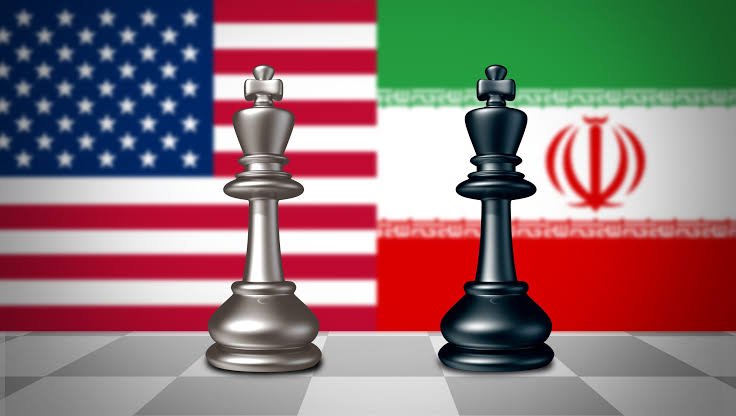
Iran-US Peace Talks Survive Fresh American Strikes Amid Rising Middle East Tensions
A proposed peace agreement between Iran and the United States remained on the table Tuesday despite renewed US strikes on Iranian targets, signaling that both sides are still pursuing diplomacy even as tensions escalate across the Middle East.
Iran’s Foreign Ministry condemned the American attacks on missile launchers and alleged mine-laying operations in the Strait of Hormuz, calling them “an act of bad faith” and “a definitive violation of the ceasefire.” However, Tehran stopped short of withdrawing from negotiations, which are continuing under the joint mediation of Pakistan and Qatar.
The US strikes reportedly killed four Iranian soldiers, but Iran did not announce immediate retaliatory action, suggesting its leadership is determined to protect the fragile path toward a possible agreement. Global markets reacted nervously, with Brent crude oil prices rising 4% after news of the renewed fighting.
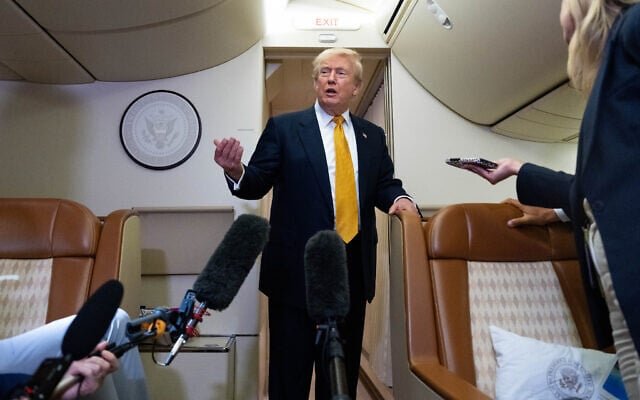
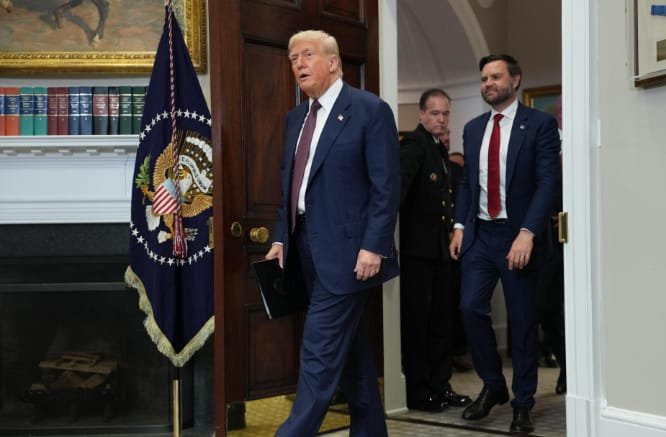
Donald Trump had planned a rare Cabinet meeting at Camp David amid the growing crisis, though the meeting was later postponed because of bad weather. Trump also defended his peace initiative on social media while pushing back against criticism from both Democrats and Republican hawks who argue the deal could favor Tehran.
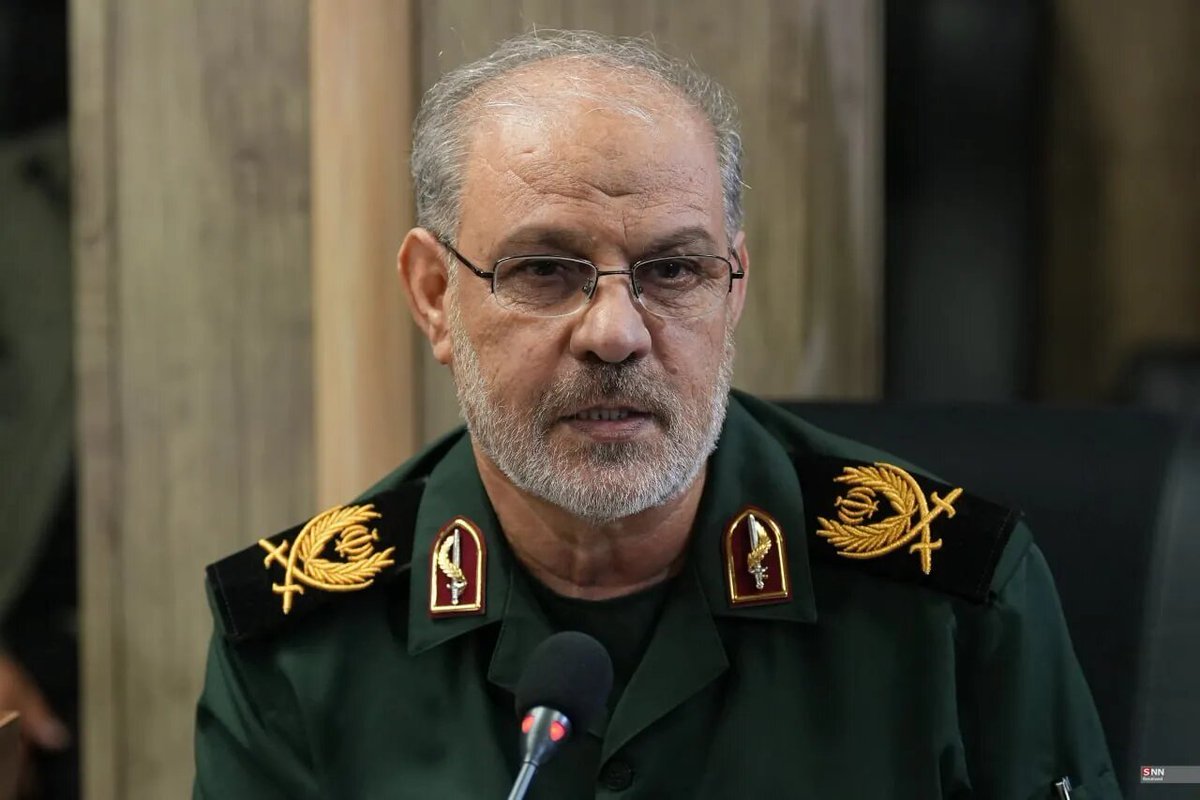
In Doha, Iran’s parliamentary speaker and chief negotiator Mohammad Bagher Ghalibaf continued negotiations focused on unlocking more than $12 billion in frozen Iranian assets. Tehran is also seeking temporary sanctions relief for its oil and petrochemical exports during a 60-day negotiation period over future restrictions on Iran’s nuclear program.
A separate 30-day framework within the proposed agreement would require Washington to lift restrictions on Iranian oil ports, while Iran would restore safe commercial shipping through the Strait of Hormuz, reopening one of the world’s most critical energy routes.
Despite the diplomatic progress, hardliners in Washington, Tehran, and Jerusalem are pressuring negotiators not to make further concessions. Iranian conservatives insist Tehran must maintain full control over the Strait of Hormuz, while Israel’s military operations in southern Lebanon continued to intensify. Israeli evacuation warnings were issued for 19 villages, and Lebanese officials reported at least 31 deaths from recent strikes.
Meanwhile, Iran’s Supreme Leader Mojtaba Khamenei used a statement marking the start of the Hajj pilgrimage to project confidence, claiming that “the tide of history” is moving in Iran’s favor. He also predicted the eventual downfall of Israel and called for greater unity among Muslim nations.
Although the situation remains highly volatile, the continuation of negotiations despite military confrontation highlights how both Tehran and Washington still appear interested in avoiding a broader regional war while searching for a political settlement.