Iran’s Top Diplomat to Meet Vladimir Putin as US Peace Talks Stall
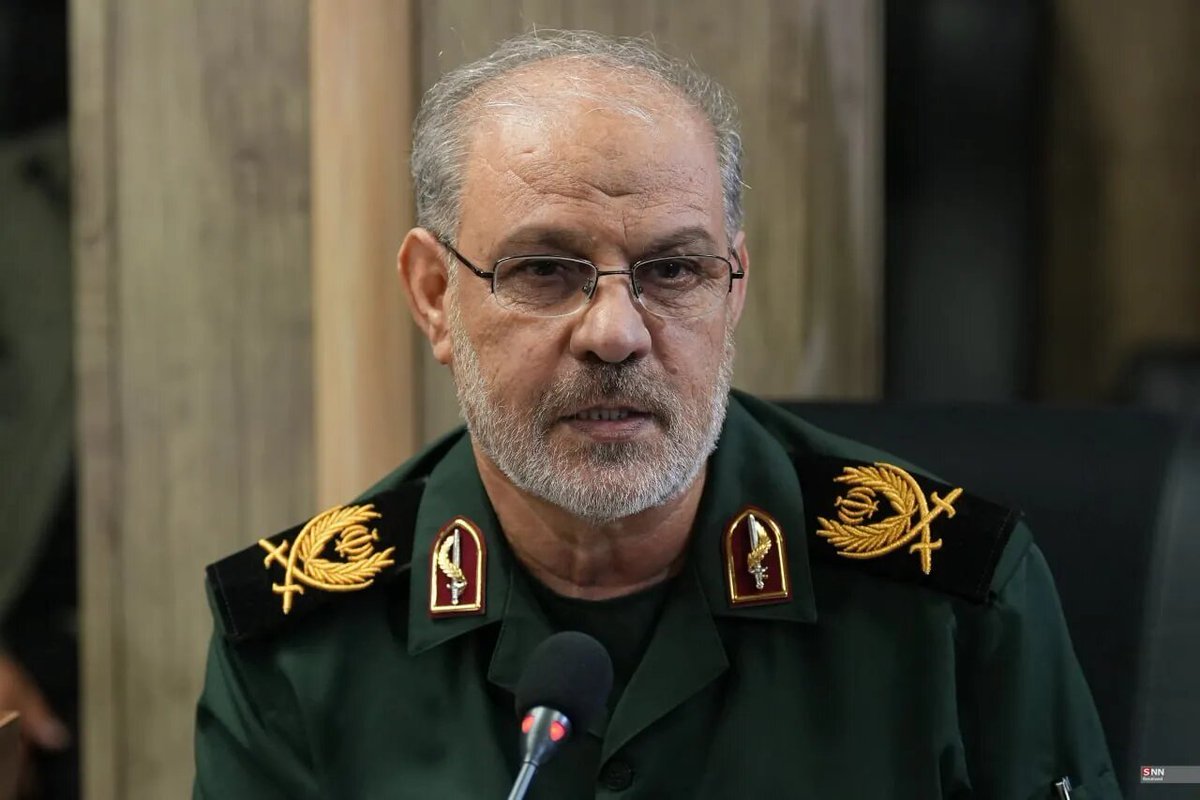
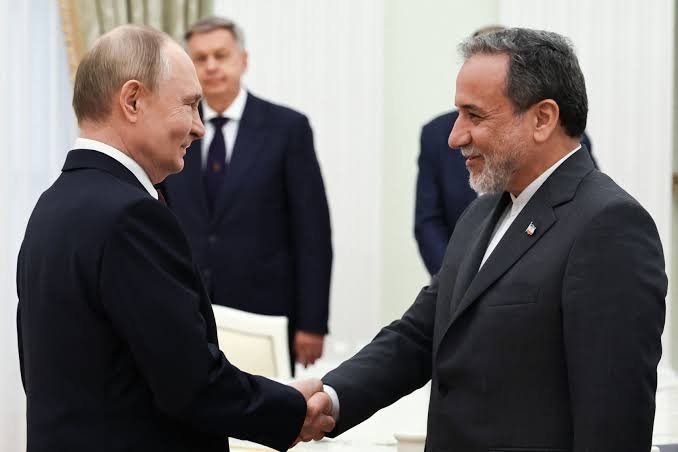
Iran’s top diplomat Abbas Araghchi is expected to meet Russian President Vladimir Putin in Moscow, signaling a strategic diplomatic shift as peace talks with the United States remain stalled

Iran’s Top Diplomat to Meet Vladimir Putin as US Peace Talks Stall
Iran’s top diplomat Abbas Araghchi is expected to meet Russian President Vladimir Putin in Moscow, signaling a strategic diplomatic shift as peace talks with the United States remain stalled.
According to developments consistent with CNN reporting, the visit comes after a breakdown in indirect negotiations between Tehran and Washington, where both sides have failed to bridge deep differences over Iran’s nuclear program, regional influence, and control of key waterways.
Diplomatic Context:
Araghchi’s Moscow trip follows a series of regional engagements, including talks in Pakistan and Oman—countries acting as intermediaries in US-Iran negotiations. However, those efforts have yielded little progress, with no new direct talks currently scheduled.
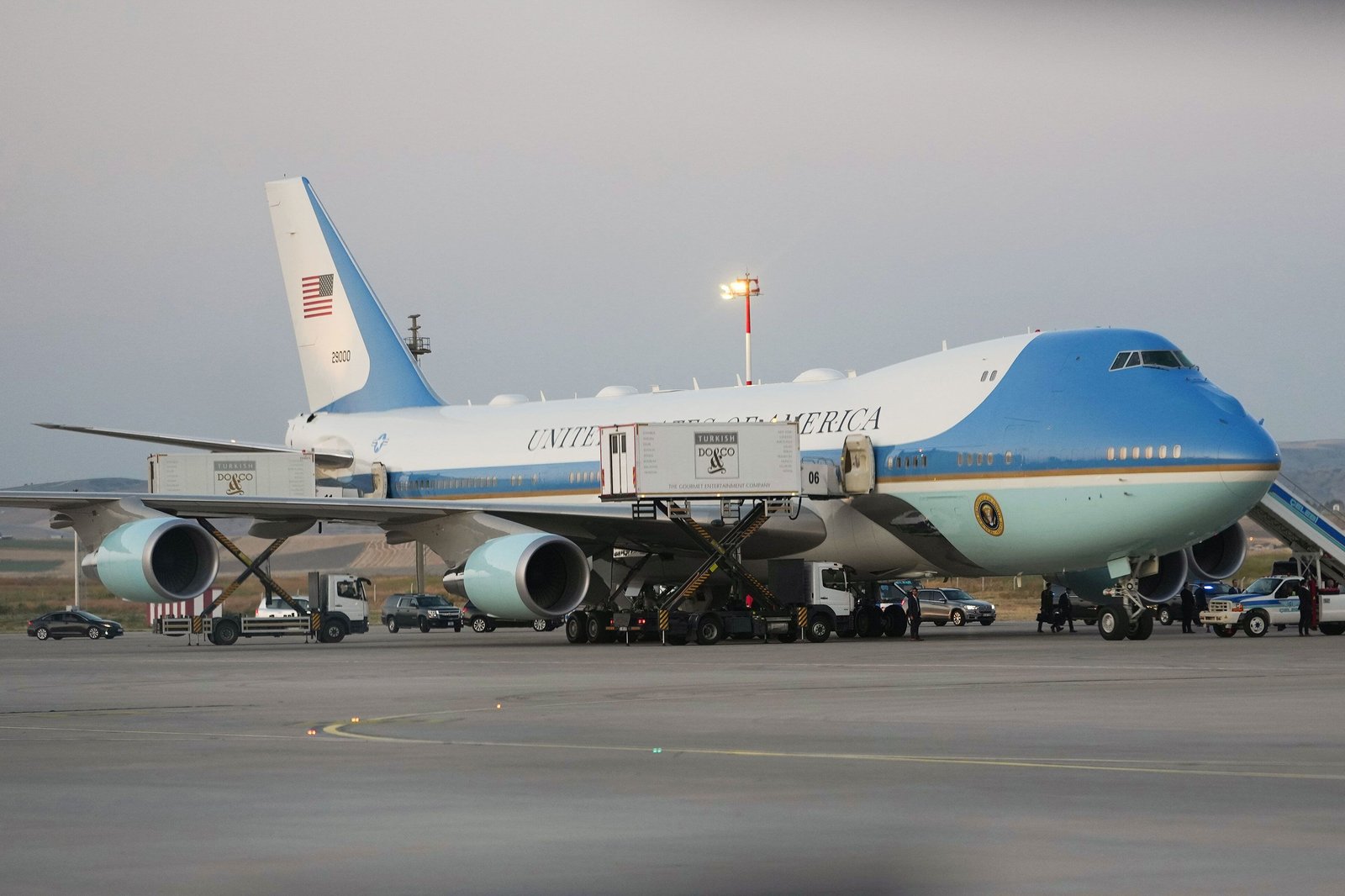
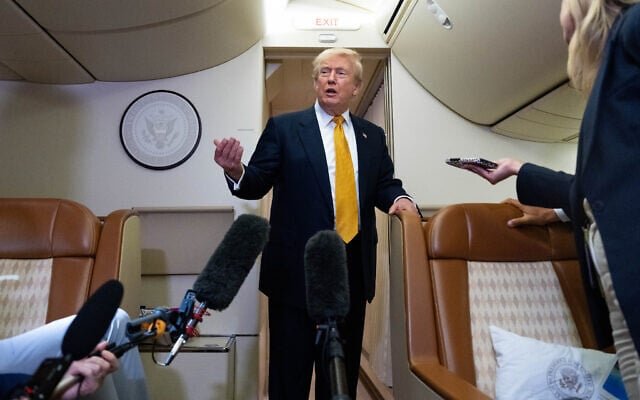
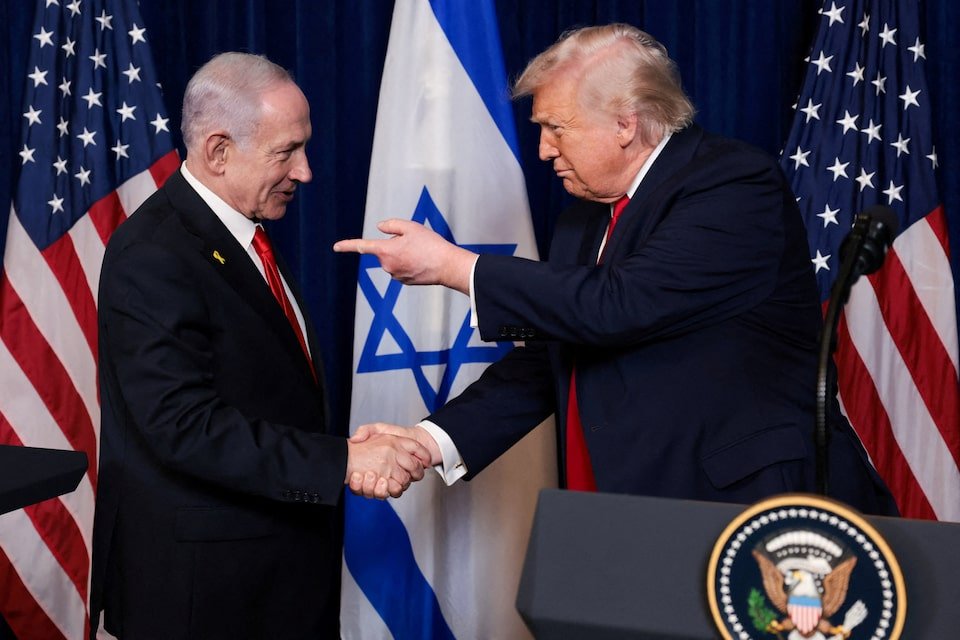
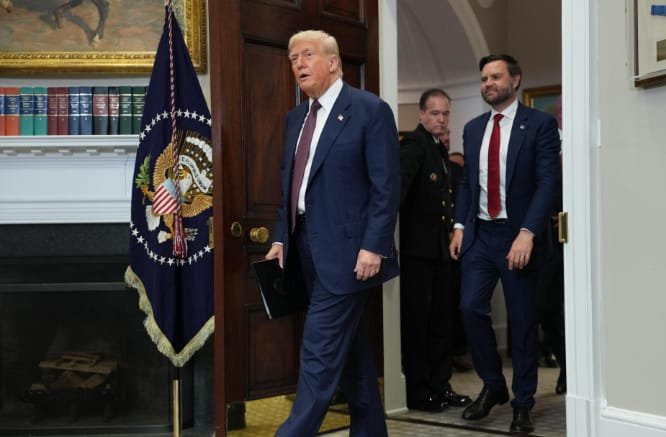
The United States, led by Donald Trump, has taken a tougher stance, maintaining a naval blockade and insisting Iran must curb its nuclear ambitions before any agreement can be reached. Meanwhile, Iran has resisted what it calls “imposed negotiations,” demanding relief from pressure measures first.
Why Russia Matters:
Russia’s role is increasingly গুরুত্বপূর্ণ as Moscow positions itself as a সম্ভাব্য মধ্যস্থতাকারী. President Putin has previously expressed willingness to support diplomatic efforts, and Iran’s outreach suggests Tehran is seeking stronger backing from a key international friend.
However, analysts note that Russia’s influence may be limited, especially amid its own geopolitical challenges, raising questions about how much it can realistically shape the outcome of the crisis.
Key Issues Blocking Peace Talks:
Iran’s nuclear enrichment program
US-led sanctions and naval blockade
Control over the Strait of Hormuz
Mutual distrust and political strategy
These unresolved issues have kept negotiations in deadlock despite ongoing indirect connection.
Strategic Analysis:
Iran’s move toward Russia highlights a broader geopolitical realignment:
Tehran is diversifying diplomatic channels beyond US-led talks
Moscow gains leverage as a potential broker in Middle East tensions
Wasington faces increased pressure as talks lose momentum.
The planned meeting between Araghchi and Putin underscores a critical moment in the Iran-US standoff. With diplomacy at an impasse, the focus is shifting toward alternative power centers—raising both the stakes and uncertainty around any future peace deal.