

Cost-of-Living Crisis Puts Spain’s Left-Wing Government at Risk of Losing Power
Rising rents, expensive groceries and growing public frustration are putting Spain’s Prime Minister Pedro Sánchez under pressure. As opposition parties gain ground, the country could face a major political shift, with conservative and far-right groups potentially playing a key role in forming the next government.

Reporter · CSB News USA
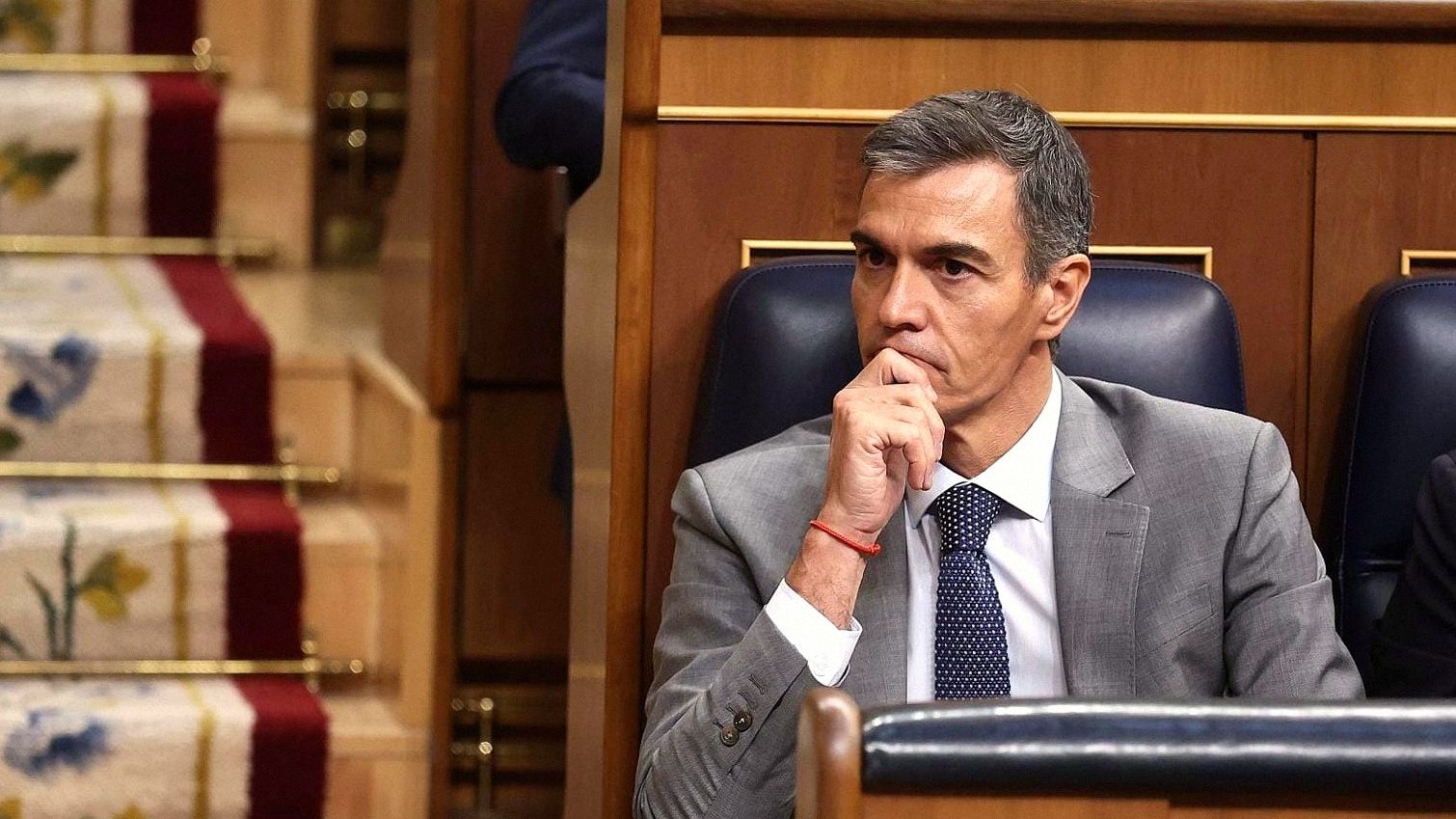
Spain’s Prime Minister Pedro Sánchez is facing a major political challenge as rising living costs, housing problems and corruption allegations put pressure on his left-wing government. With opposition parties gaining support, the possibility of a change in government has become a major issue in Spanish politics.
Sánchez has led Spain’s government since 2018 and is one of Europe’s best-known left-wing political leaders. However, after years in power, his administration is facing growing criticism over several issues affecting everyday life.
One of the biggest concerns among Spanish voters is the rising cost of housing. Rent and property prices have increased significantly, making it increasingly difficult for many people, particularly young adults, to afford a home. Some young people are being forced to remain with their parents because they cannot afford to rent or buy their own properties.
The cost of food and other everyday essentials has also placed additional pressure on household budgets. Although Spain’s economy has continued to grow and employment has improved, many people feel they are not benefiting enough from that economic progress.
Sánchez’s government has defended its economic record, pointing to job creation, wage increases and economic growth. However, opposition parties argue that the government has failed to do enough to address the problems ordinary families face, particularly the housing crisis.
Housing has become a central issue in the political debate. The government has proposed measures to control rental costs and improve access to affordable housing, but some of its plans have faced political opposition.
Another challenge for Sánchez is the growing influence of conservative and far-right parties. The conservative People’s Party, led by Alberto Núñez Feijóo, has emerged as a major challenger to the ruling Socialists. The far-right Vox party, led by Santiago Abascal, could also play an important role in determining who forms the next government.
If the People’s Party fails to secure enough parliamentary seats to govern alone, it may need support from Vox. Such an arrangement could bring a significant political shift to Spain, particularly on immigration and other social policies.
Immigration has also become a major issue in the election debate. Sánchez has supported a relatively open approach, arguing that migrants contribute to Spain’s economy and workforce. In contrast, Vox has called for much stricter immigration controls, making the issue a major dividing line between the political camps.
Corruption allegations involving people connected to Sánchez’s political circle have added to the pressure on his administration. Investigations and accusations involving individuals close to the prime minister have become important topics in opposition campaigns. The government has faced questions over its handling of these matters.
Concerns about public services and transport safety have also contributed to criticism of the administration. These issues, alongside housing costs and immigration, have made the political contest increasingly difficult for the ruling party.
The outcome of Spain’s political struggle could have consequences beyond the country. Spain is one of the European Union’s largest economies, and a change in government could influence its approach to immigration, economic policy and cooperation with other European countries.
opposition gains do not automatically guarantee a change in government. Spain’s parliamentary system requires a candidate for prime minister to secure sufficient support in parliament. If no party or coalition can obtain the necessary backing, negotiations over forming a government could continue. The final election results and subsequent coalition negotiations will therefore determine whether Sánchez remains in power or Spain moves toward a new conservative-led government.
Related News

Ukraine Warns of Possible New Russian Attacks, Zelenskyy Urges Allies to Deliver Missiles

Finland Hosts Massive Tesla Light Show with 670 Cars in 2026

Court Blocks Trump Administration’s Early Review of Licenses for Eight abc TV Stations
Comments 0
Log in or create a free account to join the conversation. You can comment anonymously.
No comments yet. Be the first.